Shingle Roofing in Cooper, TX
DJJ Roofing has been doing shingle roofing in Cooper since 2015, working out of one shop in Sulphur Springs. Cooper is half an hour north of the shop, one of the closer towns we cover outside Hopkins County. Inspections are free, the photographs are yours to keep, and the estimate is written down before anything starts.
- Six shingle brands, including impact-rated
- Owens Corning Preferred Contractor
- Most homes finished in a single day
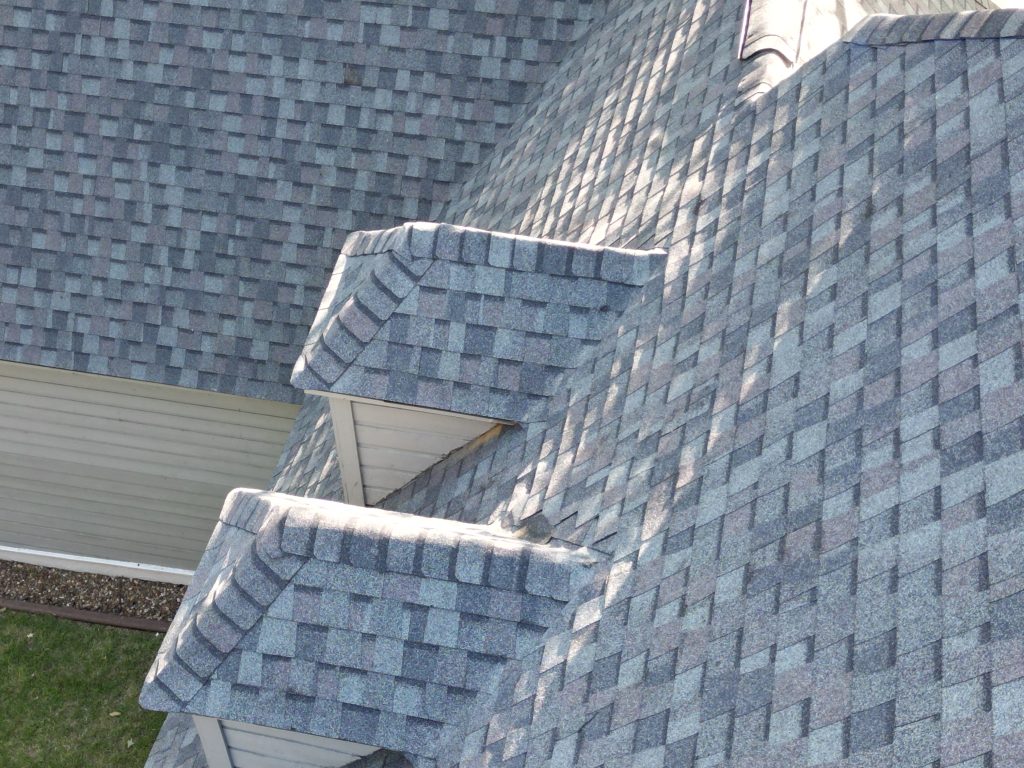
Shingle roofing for Cooper homes
Across Delta County, asphalt shingle covers most of the houses around Cooper for sound reasons: it is affordable, it performs well when installed correctly, and there is a product at almost every budget.
Everything below is included in the price we quote for shingle roofing in Cooper. There is no separate line for showing up, no charge for the inspection, and nothing added afterwards that was not on the estimate you agreed to before the work started.
Architectural shingle
Two laminated layers giving depth, weight and a much better wind rating than three-tab. This is what goes on most Cooper homes we re-roof. The same applies on commercial and residential work across Delta County.
Valley detailing
Open metal or closed-cut, done properly with the membrane underneath. Valleys carry more water than any other part of a Cooper roof and they fail quietly. Every Cooper property we work on gets this as part of the job.
Correct nailing, and proof of it
Four fasteners in the manufacturer nailing zone, six in high-wind applications, driven flush. Photographed as we go, because it is invisible the moment the next course is on. We do this on every Cooper job whether or not anybody thinks to ask for it.
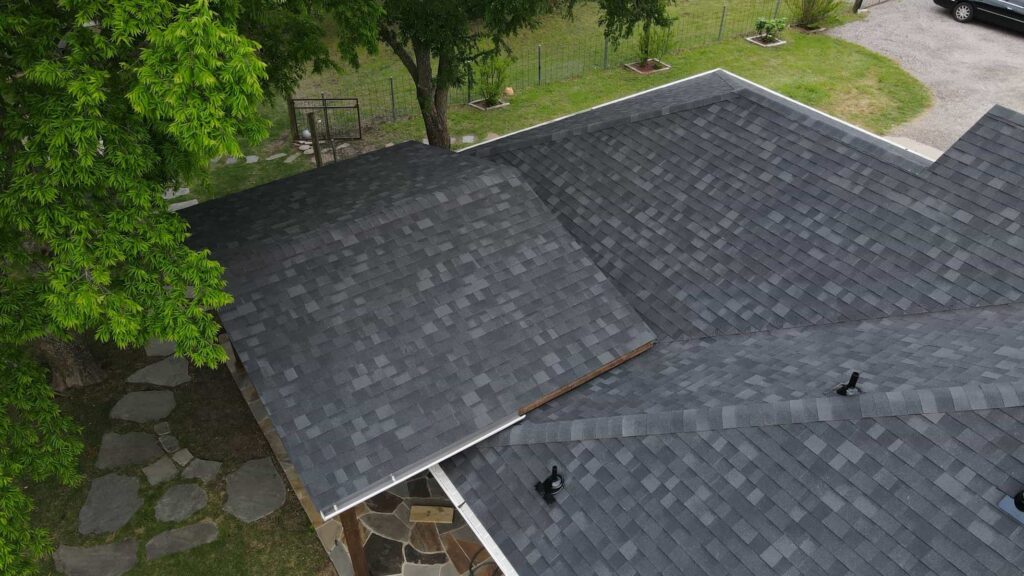
Roofs in Cooper are not all the same age
Cooper is the Delta County seat and sits in farmland between the forks of the Sulphur River. The roof stock is weighted toward older homes, a good number of them farmhouses that have been re-roofed more than once, plus working agricultural buildings running exposed-fastener metal.
We keep a separate page for Cooper rather than one page for the whole region because the answers genuinely differ. Roof age, pitch, material and exposure all change what the right job is, and a general page cannot say anything useful about any of them.
Cooper is half an hour north of the shop, one of the closer towns we cover outside Hopkins County. There is more about the area on the Cooper page, and more about the work on the Shingle Roofing page.
Practically, it means we are in Cooper often enough that a job there is not a special trip. That keeps scheduling short, and it keeps us available if something needs looking at again afterwards, which matters more than most people expect when they are choosing a roofer.
The three things Cooper roofs take
Delta County is open farmland, which means wind reaches a roof with almost nothing in the way, and the county takes the same spring hail as the rest of Northeast Texas. That combination is why we photograph every slope rather than the one you asked about. Damage around Cooper is very often on a single elevation.
That is what the free inspection is for. Before we quote shingle roofing in Cooper we photograph every slope, so you can see which of these has actually happened to your roof rather than guessing at it from the ground.
All of it feeds into what shingle roofing in Cooper actually has to address.
Spring hail
March through June is when Delta County takes most of its hail. The damage that matters is bruising and granule loss, neither of which leaks on the day and both of which shorten the roof.
Straight-line wind
Wind does not need to remove a shingle to do harm. Lifting a tab far enough to break the self-seal strip is enough, and the shingle lies back down looking untouched.
Summer heat
Texas summers cook a roof from both sides. Where attic ventilation is not balanced, the heat builds underneath and takes years off the shingle above it.
What we see on Cooper roofs
Full replacements more often than repairs. On a farmhouse roof that has been covered twice already, the interesting question is what the decking is doing, and a tear-off in Cooper turns up sheets needing attention more often than it does on newer stock.
Thirty minutes from the shop, straight north, which makes Cooper one of the easier towns for us to reach. We usually cover it alongside Brashear and Sulphur Bluff, so a job there rarely waits on a dedicated trip.
What we work on here
Older farmhouses and in-town housing, plus the working buildings that go with farmland: equipment sheds, shops and barns, nearly all metal. Full replacements are a larger share of what we do in Cooper than in newer towns, because a good deal of the housing is old enough to be on its second or third roof.
How long we have been here
Cooper has been part of our area for a long time, helped by being close and by Delta County being small enough that word travels.
About the area
Delta County takes its name from the shape of the land between the North and South forks of the Sulphur River, and it is one of the least populated counties in this part of Texas. Cooper Lake State Park sits just outside town.
Why two identical shingles last different lengths of time
At a Cooper address, manufacturers publish a service life that assumes correct installation and adequate ventilation. Most shingle roofs that fail early in Delta County fail for reasons that have nothing to do with the shingle.
This is why our inspection covers the whole roof rather than the one slope you asked about. Around Cooper it is common for the problem you noticed and the problem that matters to be on different elevations.
Starter course
A proper starter strip with its adhesive along the eave and rake is what stops the first course lifting. Cut-up shingle used as starter does not do the same job. We find this often on Cooper roofs.
Valley method
Open metal or closed-cut, each done a particular way. A valley put in casually is the wettest mistake on a roof. It accounts for a real share of the Cooper roofs we are called to.
Overdriven nails
A nail driven too hard cuts through the shingle mat instead of holding it. The shingle is fastened and not held. We find this often on Cooper roofs.
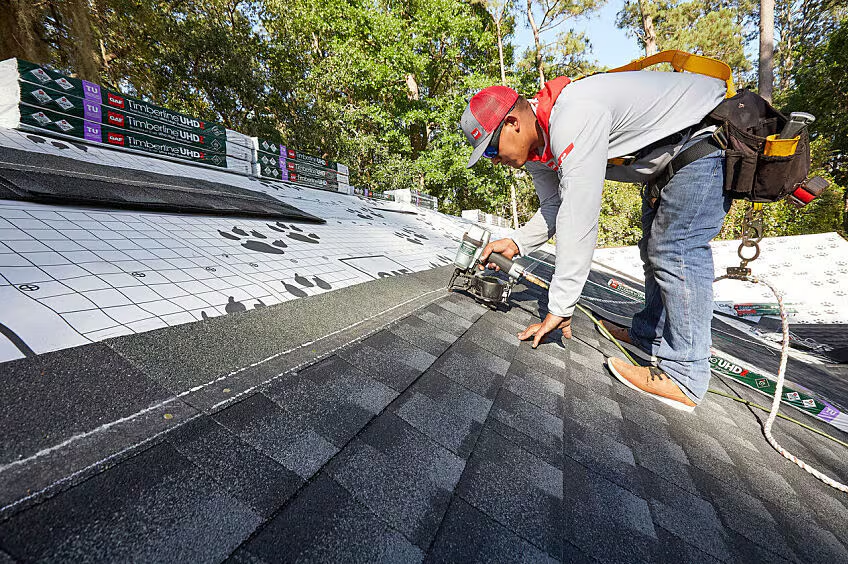
How a shingle roof goes on in Cooper
Across Delta County, the same sequence every time, and most single-family homes in Cooper finish inside a single day.
The whole sequence normally runs from your first call to a finished roof inside two weeks for a Cooper address, and faster where there is an active leak. Weather is the only thing that regularly moves a date.
Inspection
Every slope walked and photographed, and the attic checked where we can get to it for daylight and for ventilation. It applies whether the Cooper job takes an hour or a full day.
Written estimate
Broken out by material and labor, with decking per sheet, so there is no lump sum hiding anything. Standard on all our Delta County work.
Tear-off
Down to the deck. Drive, landscaping and windows protected before anything comes off. The same on a small repair and a full replacement in Cooper.
The system back on
Decking repairs, underlayment, valley membrane, drip edge, starter, field shingle, then ridge and ventilation. Standard on all our Delta County work.
Cleanup and walkthrough
Magnets across the drive and lawn, all debris hauled, and a look at the finished Cooper roof together. No Cooper job skips this stage.
Six things to look for on a Cooper shingle roof
On the roofs we work on around Cooper, shingle gives more warning than most roofing materials. These are the signs that a roof is aging normally, and the ones that mean something happened to it.
You do not need all six to justify a call. Any one of them means something has changed on the roof, and the free inspection will tell you how much it matters and whether it can safely wait until next year.
Exposed nail heads
Any fastener showing through the surface is a direct path for water and should be sealed or the shingle replaced. It turns up often on older properties around Cooper.
Missing ridge caps
The most exposed course on the roof and usually the first to leave in a wind event around Cooper. Common enough on Cooper roofs that we check for it on every inspection.
Shingles out of line
A course that has slipped or lifted out of alignment points at fastening rather than at the shingle. A regular finding across Delta County, and rarely urgent on the day.
Dark patches after rain that dry slowly
Often where the mat has absorbed water, which it should not be doing. We see this regularly at Cooper addresses, particularly after a wind event.
A wavy line along a course
Usually a fastening problem rather than a shingle problem, and it tends to affect a whole run. It shows up on Cooper roofs of every age, not only the old ones.
Nail heads visible on the surface
Any exposed fastener is a direct route for water and should be sealed or the shingle replaced. Worth a look from the ground at any Cooper address after a storm.
The shingle brands we install
On a Cooper job, we install six brands. Only Owens Corning carries a credential we hold, and we will not pretend otherwise about the others.
We will quote more than one option for a Cooper property so the difference is a decision you make rather than an assumption we made for you. Seeing two numbers side by side is usually more useful than hearing one explained.
Worth reading elsewhere: Owens Corning publishes the wind and impact ratings for each shingle line, and the National Roofing Contractors Association covers correct nailing and ventilation.
Owens Corning
We are an Owens Corning Preferred Contractor. Duration is the workhorse line and Duration STORM is the impact-rated option. A sensible option for many Delta County roofs, though not all of them.
GAF and TAMKO
Timberline HDZ is a widely used architectural shingle, though it is not Class 4; Timberline UHDZ is. TAMKO Titan XT is Class 3, and StormFighter FLEX is their Class 4 line. We install this regularly on Cooper properties.
Designer and dimensional lines
Heavier profiles that imitate slate or shake. More money, more weight, and worth it on the right Cooper house. A sensible option for many Delta County roofs, though not all of them.
Valley treatment
Open metal or closed-cut, each done a particular way over a membrane. Valleys carry more water than any other part of the roof and fail quietly when rushed. Worth considering on most Cooper properties, and we will say when it is not.
What a shingle roof costs in Cooper
Working in Delta County, asphalt replacement in this part of Texas generally runs $6,000 to $14,000 including tear-off. Where a particular house lands comes down to these.
Every estimate we write for shingle roofing in Cooper is set outd by material and labor, so you can see what each part of the job costs rather than a single lump sum with nothing behind it. That also makes it straightforward to compare against anything else you have been quoted.
Shingle line
Three-tab to architectural to impact-rated is a meaningful spread. We quote more than one so the difference is a decision rather than an assumption. You will see this reflected on a Cooper estimate.
Stepping up to impact-rated
A real increase on the day, and many Texas carriers offer a premium credit for it. The amount varies by carrier, so ask yours before deciding rather than taking a figure from us. It is one of the first things we establish at a Cooper address.
How many layers come off
Tearing off two layers is close to twice the disposal of one. It is known before we start and priced accordingly rather than discovered. You will see this reflected on a Cooper estimate.
Class 4 is worth asking your carrier about
Impact-rated shingles cost more up front and many Texas carriers offer a premium credit for them. The amount varies by carrier, so we will not print a percentage. Ask yours what they allow before you choose a line. More detail on roofing manufacturers.
“Very customer friendly and easy to work with from start to finish. DJJ Roofing made the whole process simple and stress-free.”
 Verified on Google
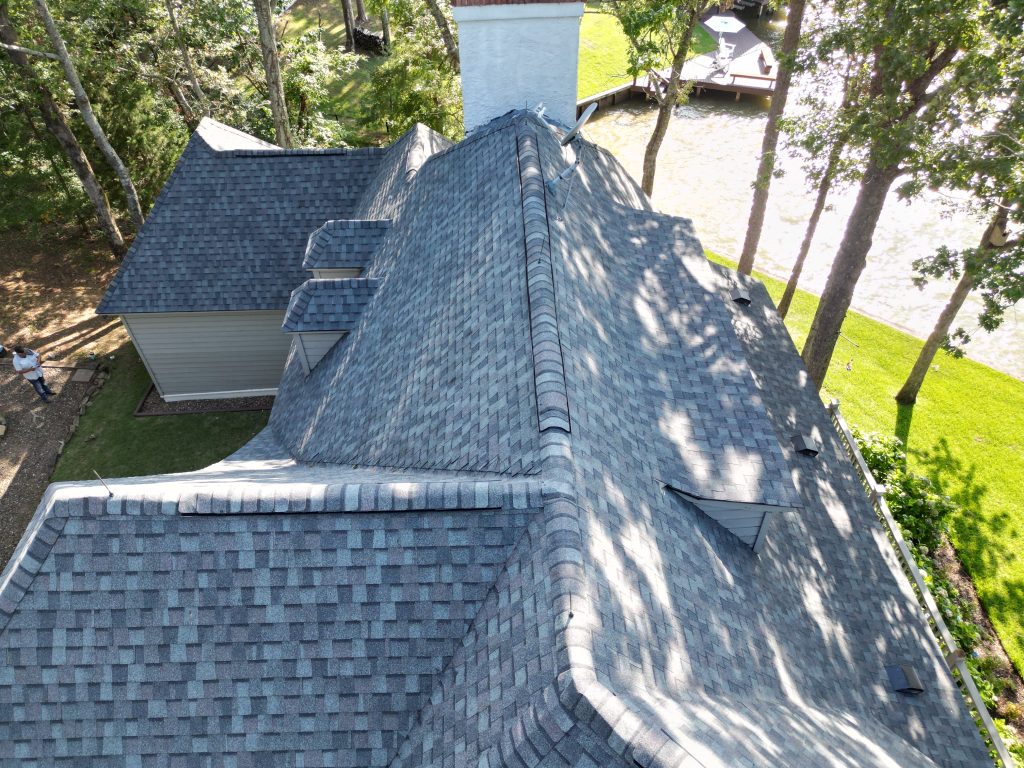
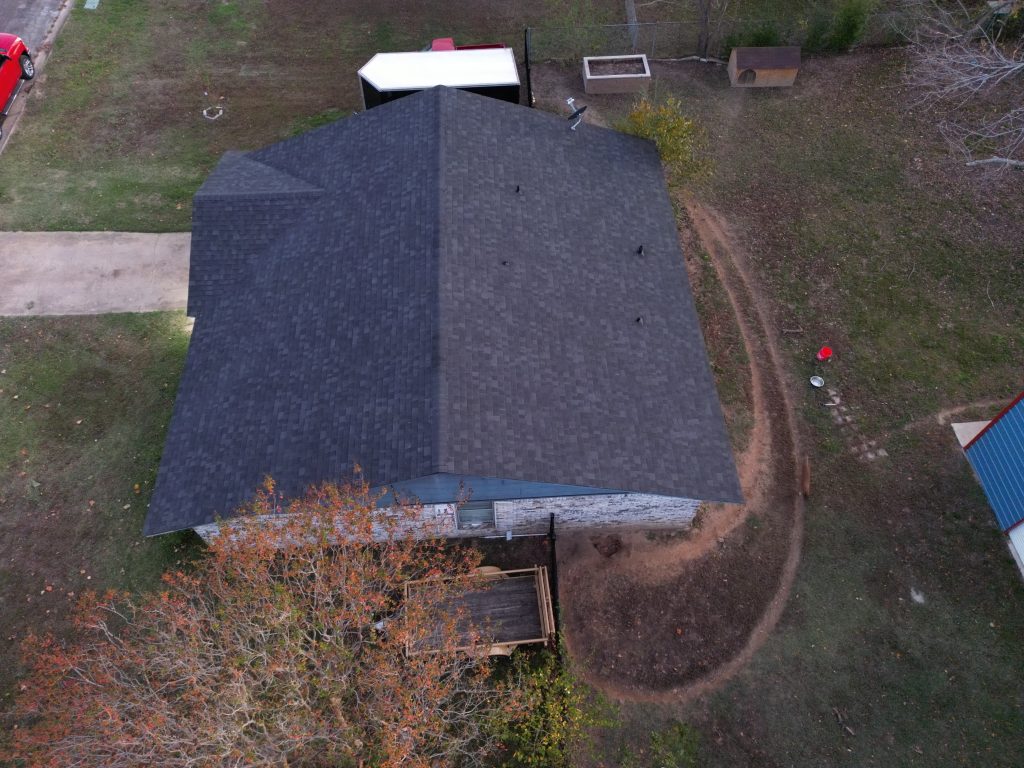
Roofs we have finished around Northeast Texas
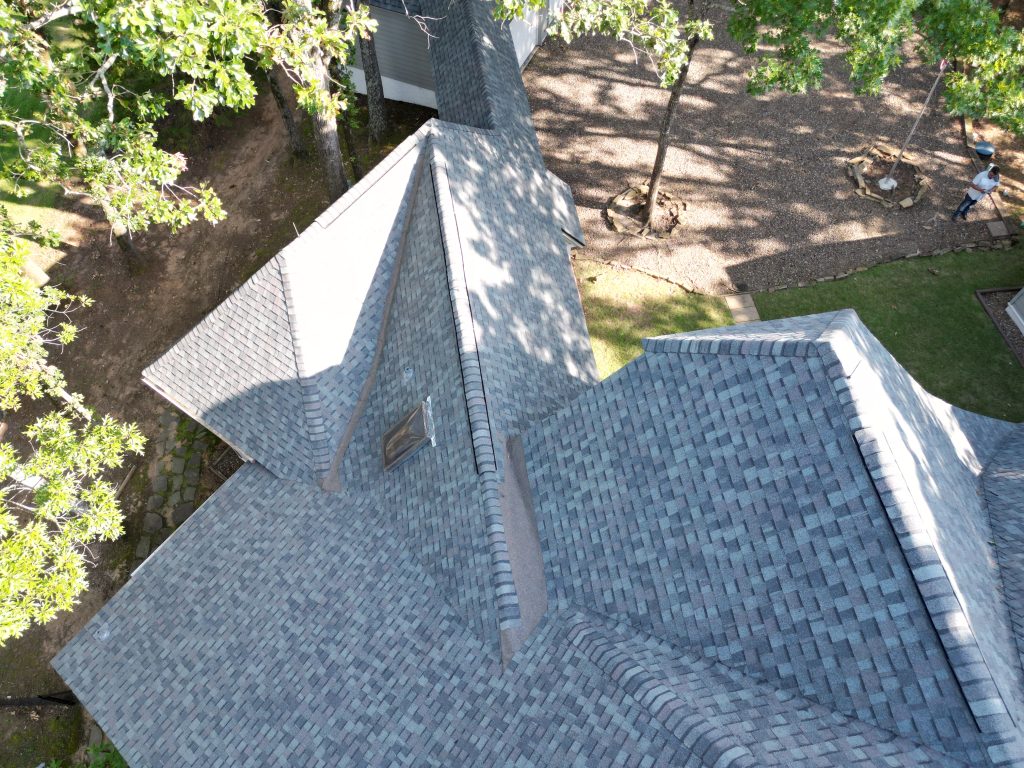
Why Cooper property owners call us
There are plenty of roofing companies that will drive to Cooper. These are the four things we would want to know about any of them, including us, before handing over a roof.
We would rather you checked all four with anybody you call in Cooper, ourselves included. A roofer who minds being asked is telling you something useful, and none of it takes more than a few minutes to verify before you commit to any work.
The inspection is genuinely free
Free, and free even when the answer is that your Cooper roof needs nothing. A fair share of the ones we look at do not. No exceptions, on any Cooper address.
We know the building stock
Cooper is half an hour north of the shop, one of the closer towns we cover outside Hopkins County. Working the same counties every week means we already know how Cooper roofs are built and where they tend to give way. That is how we have worked around Cooper from the start.
No pressure, ever
You get the report and the estimate and then you get left alone. The form, the phone number and the reviews do the selling. It holds on every job we take in Delta County.
Owens Corning Preferred
One of the manufacturer credentials we actually hold, alongside being fully insured, BBB Accredited and Google Guaranteed. That has been true for every Cooper job since 2015.
Towns near Cooper
We cover the towns around Cooper on the same trips, so a job a few miles out is rarely a separate journey or a longer wait. Each one below has its own page with the local detail for that area, including what the roofs there have actually been through.
Other roofing work in Cooper
If you need something other than shingle roofing at a Cooper property, it is probably below. These are the eight jobs that make up nearly all of our work in Delta County.
We keep a page per job per town rather than one page for everything because the honest answers differ. Roof age, pitch, material and exposure all change what the right work is at a Cooper address, and a page written for the whole region cannot say anything useful about any of them.
Questions we get about shingle roofing in Cooper
We do not. A layover hides the decking, adds weight and never lies flat, which shortens the life of the new shingle. It costs less on the day and more over the life of the roof.
A tear-off also lets us replace the underlayment, valley membrane, drip edge and pipe boots at the same time. On a layover all of those stay as they were, which is usually the part of the roof that was actually failing. If you want that answered for your own Cooper roof specifically, the inspection is free and we will put the answer in writing.
Four in normal conditions and six in high-wind applications, driven flush in the manufacturer nailing zone. It sounds like a detail and it is the single most common installation fault we find on roofs that have lost shingles in wind. Once the next course is on, nobody can see it, which is exactly why it gets skimped. If it matters for a decision you are making about a Cooper property, ask us and we will give you the specific answer rather than the general one.
On shaded and north-facing slopes, often yes. The streaking is mostly cosmetic, but it holds moisture against the surface, and the resistant lines carry granules that discourage it. It adds little to the cost of a replacement. We are happy to go through this in more detail for a Cooper roof, either on the phone or when we are out there.
We would rather you did not. Beyond the fall risk, foot traffic scuffs granules off, and in hot weather shingles are soft enough to damage under a boot. If you want to know what is up there, the inspection is free. We are happy to go through this in more detail for a Cooper roof, either on the phone or when we are out there.
Wind rating describes how hard a gust the shingle is tested to stay attached in; impact rating describes how well it survives being hit. They are separate tests and a shingle can be strong on one and ordinary on the other, which is why we name both when we quote. That is the general picture. What it means for your Cooper roof is a question the photographs answer better than we can here.
Ask us about shingle roofing in Cooper
Fill this in and we will call you back to arrange a time that suits you. The inspection and the written estimate are both free, and if the roof turns out to be fine that is what the report will say.
Get Your Free Quote
Enter your details below and we will get back to you with a real number.
Let us get somebody up there to look.
It costs nothing to find out what shape the roof is actually in, and you keep the full report whether you go ahead with the work or not. Most people who call us are trying to work out whether they have a problem at all, and that is a perfectly good reason to get in touch.
Ask us about shingle roofing in Cooper and we will tell you plainly what the roof needs.