
DJJ ROOFING
Roof Inspections
Maintaining the integrity of your roof is crucial for the overall health of your home, and regular roof inspections are a key component of that maintenance. At DJJ Roofing, we pride ourselves on our expertise and commitment to delivering quality service. Our team of professionals is dedicated to ensuring that your roof remains in top condition, providing peace of mind and protecting your investment.
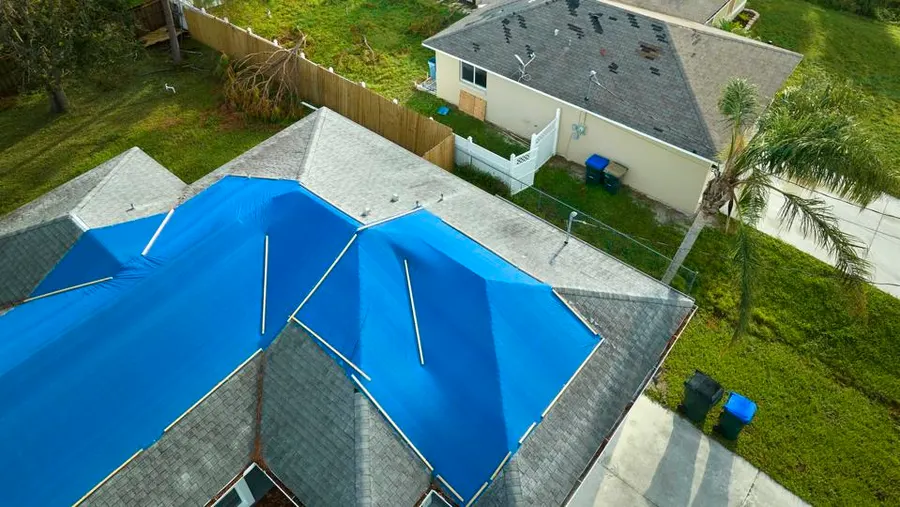
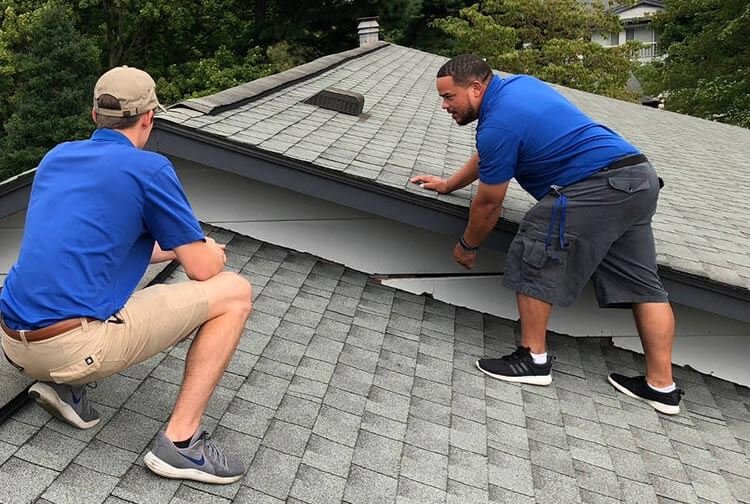
Roof Inspections
Roof inspections play a vital role in preventive maintenance by identifying and fixing minor issues before they become major problems. Regular inspections can significantly extend the lifespan of your roof, ensuring that it continues to protect your home effectively. A well-maintained roof also boosts your property’s value, making it a crucial aspect of home maintenance. Additionally, ensuring the structural integrity of your roof is essential for the safety of everyone inside the building.
Roof Inspections
Scheduling regular roof inspections, such as annually or bi-annually, helps maintain your roof’s condition. It’s also important to inspect your roof after severe weather events, such as storms, heavy winds, or hail. When buying or selling a home, a roof inspection can provide valuable information about the property’s condition. Visible signs of damage, like leaks or missing shingles, also indicate that it’s time to call for a professional inspection.
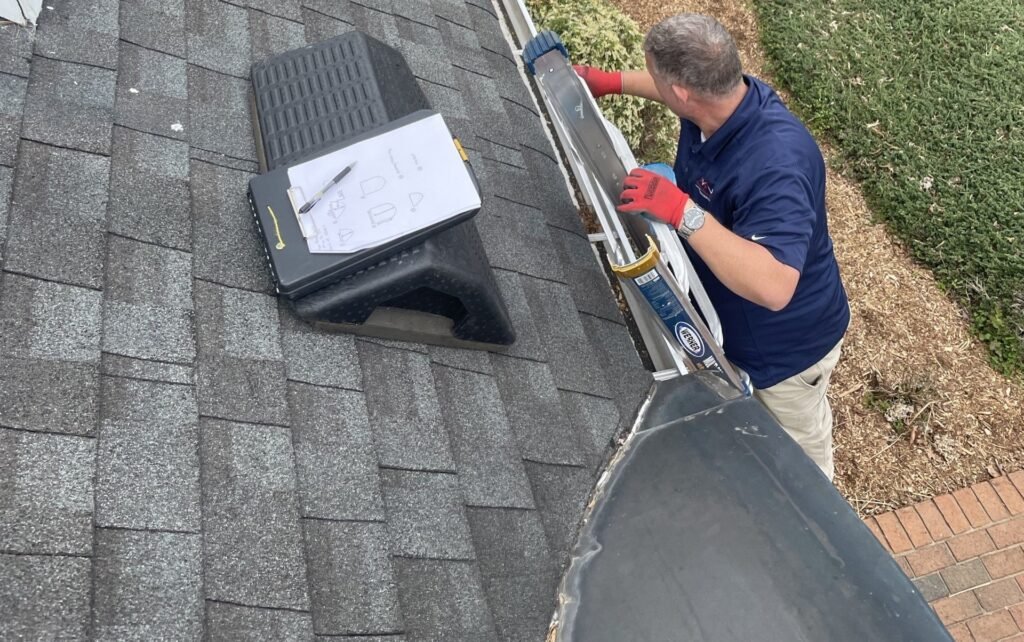
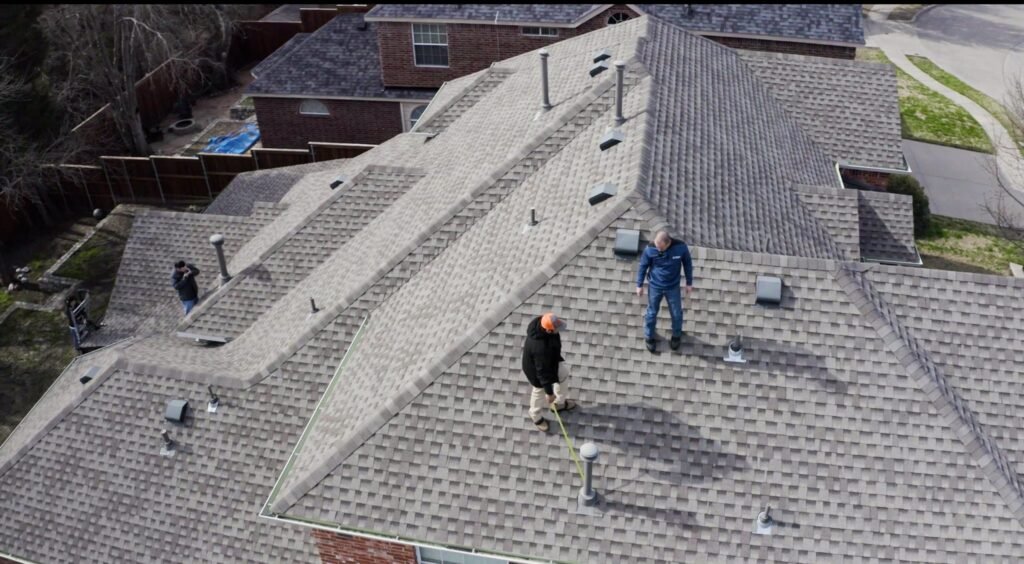
Roof Inspections
During a roof inspection, our team conducts a thorough exterior examination, checking shingles, gutters, flashings, and the chimney. We also perform an interior inspection, examining the attic, insulation, and ventilation, and looking for any signs of water damage. Our use of advanced technology, such as drones and infrared cameras, ensures a comprehensive and accurate assessment of your roof’s condition.
Roof Inspections
Our inspections often identify common roof problems, including leaks and moisture, shingle damage, flashing issues, and gutter and drainage problems. We also check for ventilation and insulation issues and assess any structural concerns that may need attention.
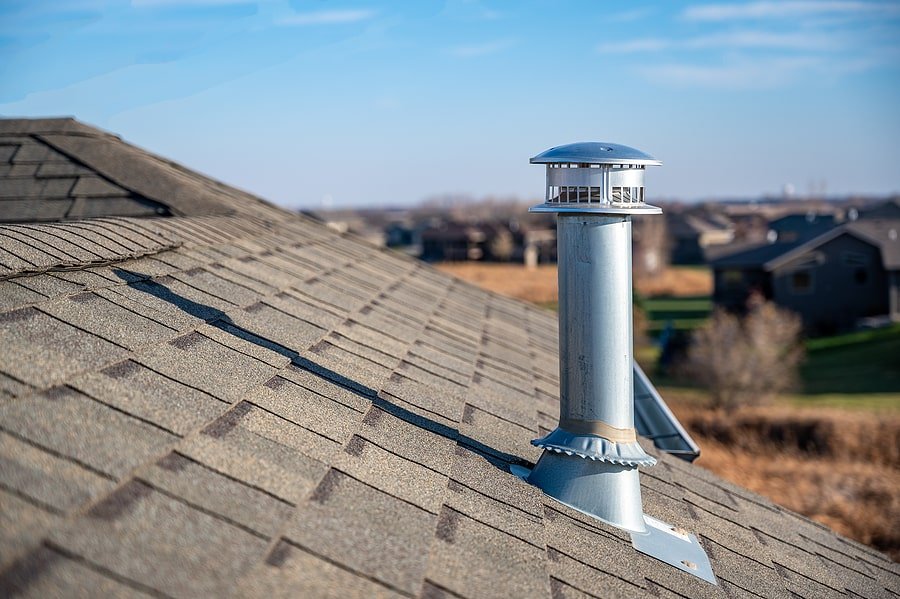
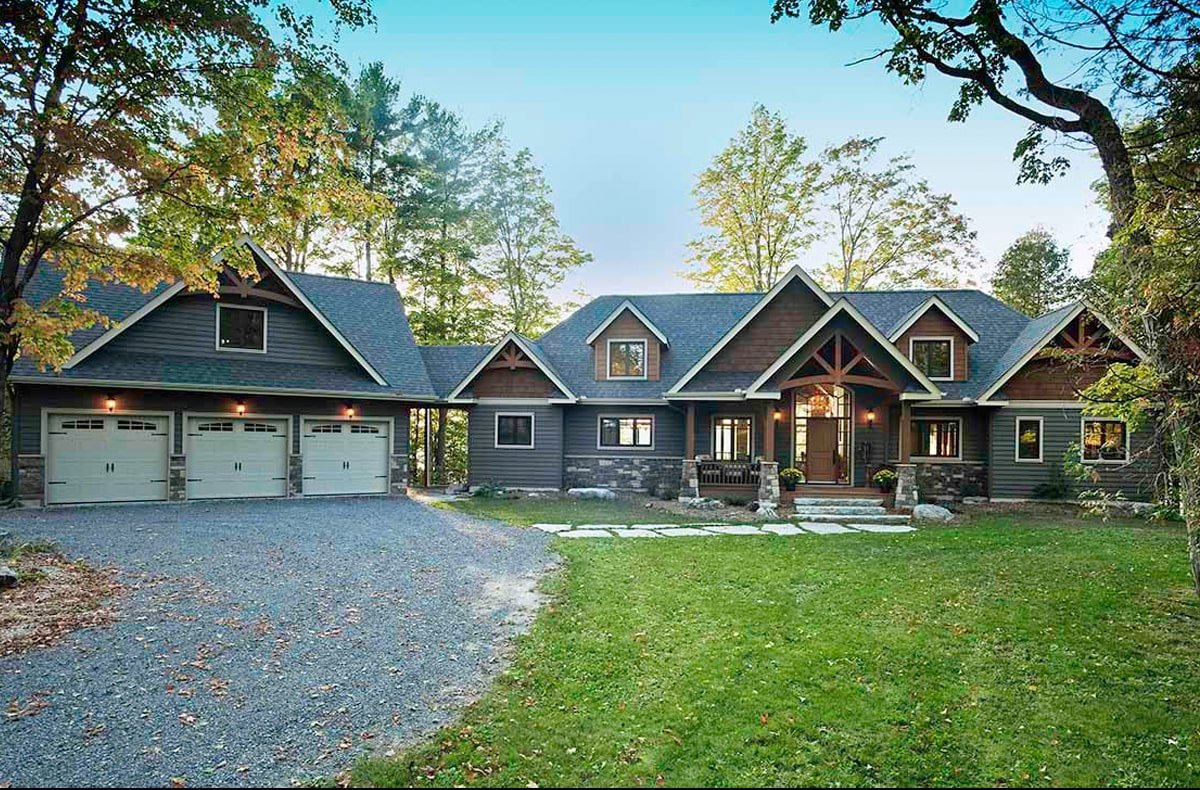
Our detailed inspection process involves a step-by-step approach conducted by trained and certified inspectors. We provide comprehensive reports with our findings and offer recommendations and estimates for any necessary repairs. Our goal is to ensure you have a clear understanding of your roof’s condition and the steps needed to maintain it.
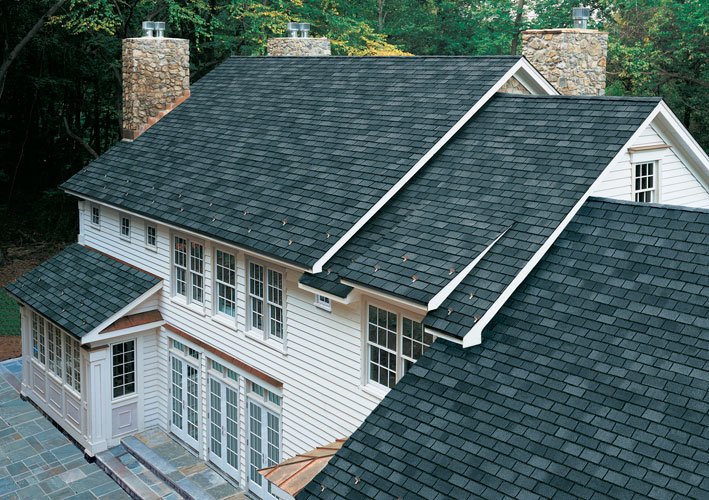
Choosing DJJ Roofing for your roof inspection means working with an experienced and professional team dedicated to high-quality workmanship. We use top-tier materials and methods, and our customer testimonials reflect our commitment to satisfaction. We stand by our work with a satisfaction guarantee, ensuring you receive the best service possible.
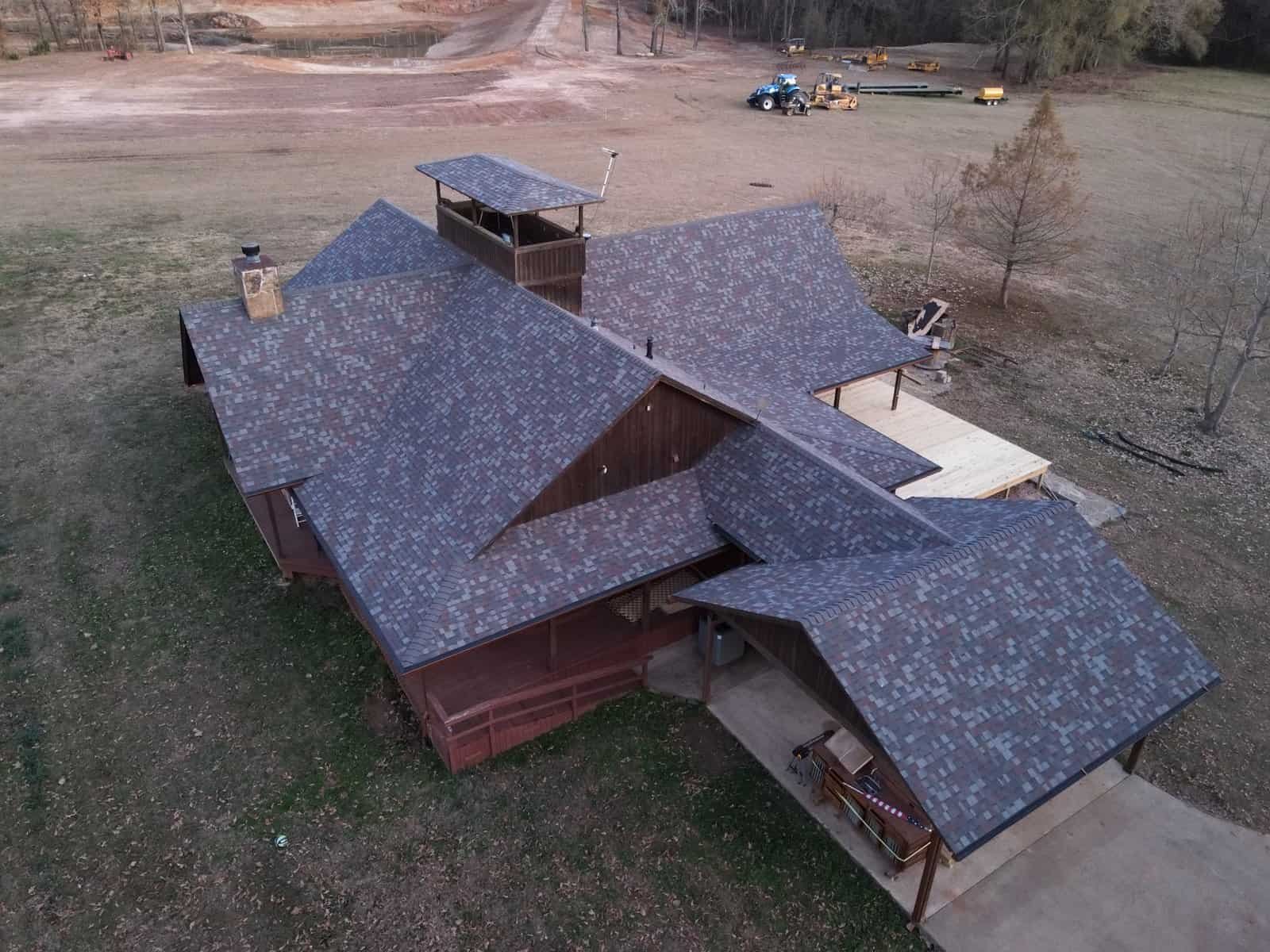
To schedule an inspection with DJJ Roofing, you can contact us via phone or email. We also offer an easy-to-use online booking form for your convenience. Our services are available across various areas, and we are ready to assist you with your roofing needs.
Regular roof inspections are essential for maintaining the health of your home. DJJ Roofing is committed to providing top-notch inspection services that ensure your roof remains in excellent condition. Contact us today to schedule an inspection and experience the peace of mind that comes with knowing your roof is in expert hands.
Why Choose Us
We use high quality materials to ensure the strongest protection.
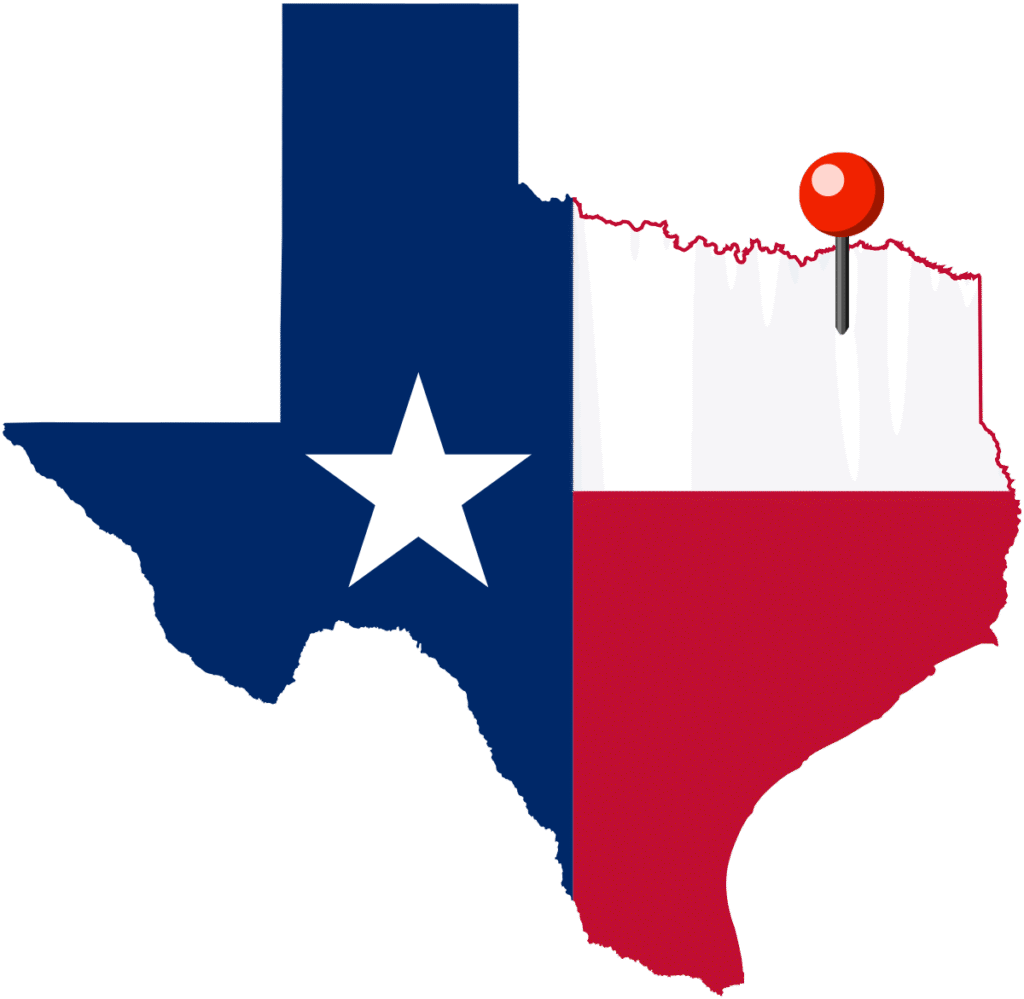
We are the most top rated 5 star roofers on Google in Northeast Texas.
Cost-effective and transparent pricing for all of your roofing service needs.

DJJ Roofing is a BBB Accredited Business, committed to ethical business practices and customer satisfaction.
Also, our clients take comfort in knowing that real solution options are provided as opposed to high pressure sales tactics.
We know your time is valuable, so we make it a priority to respond to every inquiry as fast as possible.
Also, our clients take comfort in knowing that real solution options are provided as opposed to high pressure sales tactics.
Family-owned and based in Sulphur Springs, we serve residential and commercial properties across Hopkins, Hunt, Wood, Delta & Franklin Counties — and many communities beyond.
Not sure if we cover your area? Call (903) 217-5431
Free Consultation
Contact Us