DJJ ROOFING
Residential Roofing
Introduction to Residential Roofing
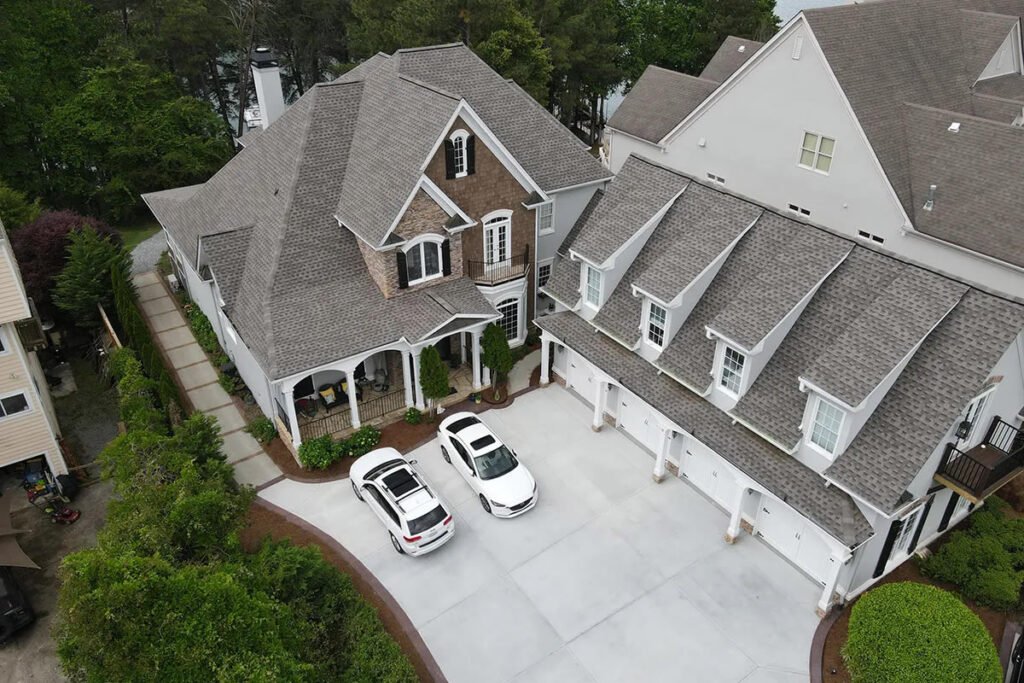
At DJJ Roofing, we understand that your home is one of your most valuable assets, and protecting it begins with a reliable roof. With years of experience in the roofing industry, we are committed to providing top-notch residential roofing services that ensure the safety and longevity of your home. Whether you need a minor repair or a complete roof replacement, our team of experts is dedicated to delivering quality workmanship and exceptional customer service, giving you peace of mind that your home is in good hands.
Residential Roofing
Types of Residential Roofing Materials
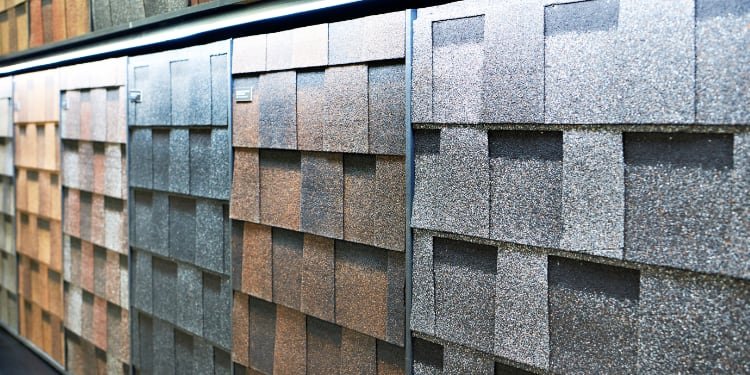
Choosing the right roofing material is crucial to the durability and aesthetic of your home. DJJ Roofing offers a wide range of roofing materials to suit your needs, including asphalt shingles, metal roofing, tile, and more. Each material comes with its own set of benefits: asphalt shingles are cost-effective and versatile, metal roofs offer durability and energy efficiency, while tile roofs provide a timeless look and superior protection. We help you weigh the pros and cons of each option to find the perfect fit for your home’s style and environment.
Residential Roofing
Roof Inspection and Maintenance
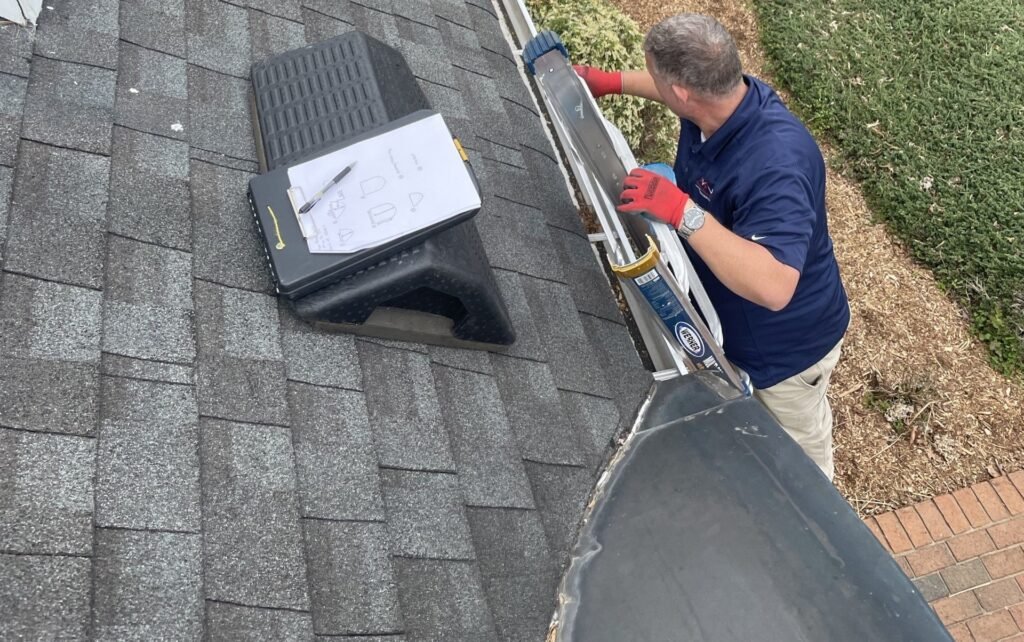
Regular roof inspections are essential to maintaining the integrity of your home’s roofing system. At DJJ Roofing, we provide comprehensive roof inspection services to identify potential issues before they become costly problems. Our maintenance services include leak detection, gutter cleaning, and minor repairs, ensuring your roof remains in optimal condition year-round. By investing in regular maintenance, you can extend the lifespan of your roof and avoid unexpected expenses.

Residential Roofing
Roof Repair Services
Even the most durable roofs can experience issues over time, from leaks and missing shingles to storm damage. DJJ Roofing specializes in residential roof repairs, offering prompt and reliable service to restore your roof’s functionality. Our experienced technicians quickly assess the damage and provide efficient solutions to prevent further deterioration. We understand that roofing problems can be stressful, so we prioritize clear communication and timely repairs to minimize disruption to your home life.
Residential Roofing
Roof Replacement and Installation
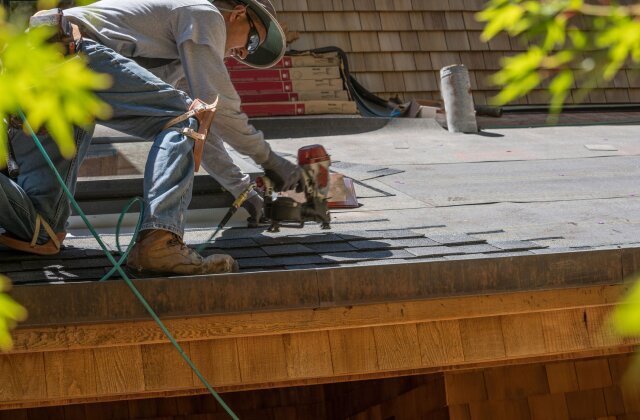
There comes a time when every roof reaches the end of its lifespan and requires replacement. DJJ Roofing provides expert roof replacement and installation services to ensure your home remains protected. We guide you through the entire process, from selecting the right materials to the final inspection, ensuring a seamless experience. Our team is equipped to handle projects of any size, delivering quality results that enhance your home’s curb appeal and structural integrity.
Energy-Efficient Roofing Options
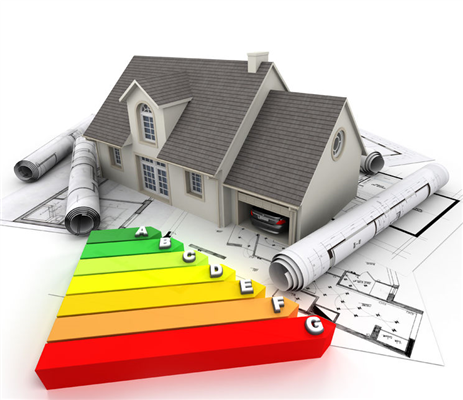
An energy-efficient roof can significantly reduce your home’s energy consumption and lower your utility bills. DJJ Roofing offers a variety of energy-efficient roofing options, including cool roofs, reflective coatings, and insulated materials that help regulate your home’s temperature. By choosing an energy-efficient roof, you not only contribute to a more sustainable environment but also enjoy long-term savings. Let us help you explore the best options for your home’s energy needs.

Storm Damage and Emergency Roof Repair
Severe weather can strike at any time, leaving your home vulnerable to storm damage. DJJ Roofing is here to provide rapid response and emergency roof repair services when you need them most. Our team is available 24/7 to assess the damage and make necessary repairs, preventing further issues and restoring your home’s safety. We understand the urgency of storm damage repairs and are committed to delivering fast, effective solutions to protect your property.

Roofing Warranties and Guarantees
At DJJ Roofing, we stand behind the quality of our work and the materials we use. That’s why we offer comprehensive warranties on both our roofing materials and workmanship. Our warranties are designed to give you confidence in your investment, knowing that your roof is protected for years to come. We are dedicated to customer satisfaction and will work with you to address any concerns that may arise, ensuring your complete peace of mind.
Why Choose DJJ Roofing for Your Residential Roofing Needs?
When it comes to residential roofing, DJJ Roofing is the trusted choice for homeowners in the region. Our commitment to quality, local expertise, and exceptional customer service sets us apart from the competition. We have a proven track record of success, with numerous satisfied customers who can attest to our reliability and professionalism. Whether you need a minor repair or a full roof replacement, you can count on DJJ Roofing to deliver results that exceed your expectations.

Why Choose Us
Reasons For People Choosing Us
Quality Material
We use high quality materials to ensure the strongest protection.
Top Rated
We are the most top rated 5 star roofers on Google in Northeast Texas.
Fair Pricing
Cost-effective and transparent pricing for all of your roofing service needs.
Time Flexibility
Also, our clients take comfort in knowing that real solution options are provided as opposed to high pressure sales tactics.
Quick Response
Your time matters to us, We'll respond as soon as possible.
We Are Here To Serve
Also, our clients take comfort in knowing that real solution options are provided as opposed to high pressure sales tactics.
Free Consultation
Contact Us
1. Introduction to Residential Roofing
What is Residential Roofing?
Residential roofing refers to the materials, structures, and processes involved in constructing and maintaining the roof of a residential building, typically a home. A roof is more than just the top layer of a house; it is a complex system that provides critical protection from the elements.
Importance of a Strong Roof
A strong roof is essential for the safety, comfort, and structural integrity of a home. It shields the interior from weather conditions like rain, snow, hail, and extreme temperatures, and also contributes to the energy efficiency of the house by maintaining insulation.
Overview of Residential Roofing Systems
Residential roofing systems can vary widely depending on the type of materials used, the architectural style of the home, and the climate in which the home is located. A well-designed roofing system includes several key components working together to provide durability and protection.
2. Components of a Residential Roof
Roof Decking
The roof decking, or sheathing, is the foundation of any roof. It is typically made of plywood or oriented strand board (OSB) and provides a solid base for other roofing materials. Proper installation of the roof decking is crucial to the overall stability of the roof.
Underlayment
The underlayment is a protective layer placed between the roof decking and the shingles. It acts as a barrier against water infiltration, providing additional protection in case the shingles fail. Common types of underlayment include felt paper and synthetic materials.
Shingles
Shingles are the outermost layer of the roof and are the first line of defense against the elements. Available in various materials such as asphalt, wood, metal, and slate, shingles also contribute to the aesthetic appeal of the home.
Flashing
Flashing is used to seal and protect the joints and edges of the roof, particularly around areas where the roof intersects with walls, chimneys, and skylights. Made from metal, flashing prevents water from seeping into these vulnerable areas.
Gutters and Downspouts
Gutters and downspouts are essential for directing rainwater away from the roof and foundation of the home. Properly installed gutters prevent water damage to the roof and walls, helping to maintain the integrity of the entire structure.
Ventilation Systems
Roof ventilation is critical for regulating temperature and moisture levels within the attic. Proper ventilation helps prevent issues like ice dams, mold growth, and premature aging of roofing materials, ensuring the roof lasts as long as possible.
3. Types of Residential Roofing Materials
Asphalt Shingles
Asphalt shingles are the most popular roofing material due to their affordability, durability, and ease of installation. They come in a variety of colors and styles, making them a versatile choice for many homeowners.
Metal Roofing
Metal roofing is known for its longevity and resistance to extreme weather conditions. It is lightweight, energy-efficient, and available in various designs, including panels and shingles. Metal roofs can last up to 50 years or more with proper maintenance.
Tile Roofing
Tile roofing, often made from clay or concrete, is durable and offers excellent insulation. It is commonly used in warmer climates and provides a distinct, timeless look. However, tile roofing is heavy and may require additional structural support.
Wood Shingles and Shakes
Wood shingles and shakes offer a natural, rustic appearance that enhances the charm of certain architectural styles. While wood roofing is aesthetically pleasing, it requires more maintenance and is less fire-resistant than other materials.
Slate Roofing
Slate roofing is a premium option known for its elegance and durability. Made from natural stone, slate tiles can last over a century and provide unmatched resistance to fire and weathering. However, slate is one of the most expensive roofing materials.
Synthetic Roofing Materials
Synthetic roofing materials, such as rubber, plastic, and polymer composites, mimic the appearance of traditional materials like slate or wood but are more affordable and lightweight. These materials are also resistant to common roofing issues like rot and insect damage.
4. Popular Residential Roof Styles
Gable Roof
The gable roof is one of the most common residential roof styles, characterized by its triangular shape. It is simple, cost-effective, and allows for excellent water drainage and ventilation, making it suitable for various climates.
Hip Roof
A hip roof has slopes on all four sides, providing more stability and resistance to wind damage than a gable roof. This style is often used in regions prone to hurricanes and high winds.
Mansard Roof
The Mansard roof, also known as a French roof, features a double slope on all four sides, with the lower slope being steeper than the upper. This design creates extra living space in the attic and is often seen in historic and European-inspired homes.
Flat Roof
Flat roofs are common in modern and minimalist home designs. While they offer a sleek appearance and can be used as additional living space, flat roofs require careful waterproofing and drainage systems to prevent water accumulation.
Shed Roof
A shed roof is a single, sloping surface, often used in home additions or modern architecture. It is simple to construct and provides good water drainage, making it a popular choice for smaller homes and contemporary designs.
Combination Roof
A combination roof incorporates multiple roof styles into one design, offering aesthetic variety and functional benefits. For example, a home may have a combination of gable and hip roofs, providing both visual interest and enhanced stability.
5. The Roofing Installation Process
Initial Assessment and Planning
The roofing installation process begins with a thorough assessment of the home’s existing roof structure. This includes evaluating the condition of the roof decking, identifying any necessary repairs, and selecting appropriate roofing materials based on the homeowner’s preferences and the local climate.
Removal of the Old Roof
Before installing a new roof, the old roofing materials must be carefully removed. This process involves stripping away the shingles, underlayment, and sometimes the roof decking, depending on its condition. Proper disposal of old materials is essential to maintain a clean and safe worksite.
Installation of Roof Decking and Underlayment
Once the old roof is removed, the new roof decking is installed or repaired if necessary. The underlayment is then applied to provide an additional layer of protection against water infiltration. This step is crucial for ensuring the longevity and effectiveness of the new roof.
Application of Roofing Materials
With the underlayment in place, the chosen roofing materials are installed according to the manufacturer’s guidelines. This step includes precise placement of shingles, tiles, or panels, as well as the installation of flashing around joints and edges to prevent leaks.
Final Inspection and Cleanup
After the roofing materials are installed, a final inspection is conducted to ensure that the roof meets all safety and quality standards. Any remaining debris is cleaned up, and the worksite is restored to its original condition, leaving the homeowner with a durable and attractive new roof.
6. Roofing Lifespan and Durability
Lifespan of Different Roofing Materials
The lifespan of a residential roof depends largely on the materials used. Asphalt shingles typically last 20-30 years, while metal roofs can last 50 years or more. Tile and slate roofs are even more durable, often lasting 100 years or more with proper care.
Factors Affecting Roof Longevity
Several factors can influence the longevity of a roof, including the quality of materials, installation practices, climate, and maintenance. Exposure to harsh weather conditions, such as heavy rain, snow, or high winds, can shorten a roof’s lifespan, making regular inspections and maintenance crucial.
Signs a Roof Needs Replacement
Over time, all roofs will show signs of wear and tear. Common indicators that a roof may need to be replaced include frequent leaks, missing or damaged shingles, sagging, and visible wear around roof valleys and flashing. It’s important to address these issues promptly to prevent further damage to the home.
7. Roof Maintenance and Care
Routine Inspections
Regular roof inspections are essential for identifying potential issues before they become major problems. Homeowners should schedule professional inspections at least once a year, particularly after severe weather events, to ensure their roof remains in good condition.
Gutter Cleaning
Keeping gutters clean and free of debris is a critical part of roof maintenance. Clogged gutters can lead to water backup, which can damage the roof, fascia, and even the home’s foundation. Regular gutter cleaning, especially in the fall and spring, helps prevent these issues.
Repairing Minor Damages
Small issues, such as missing shingles or minor leaks, should be repaired promptly to prevent them from escalating into more serious problems. Timely repairs can extend the life of the roof and save homeowners money in the long run.
Seasonal Maintenance Tips
Each season brings its own set of challenges for residential roofs. In the winter, homeowners should check for ice dams and ensure proper insulation. In the spring, it’s important to inspect for damage caused by snow and ice. Summer maintenance focuses on ventilation and preventing heat damage, while fall is the time to prepare the roof for winter by cleaning gutters and checking for loose shingles.
8. Energy Efficiency in Residential Roofing
Impact of Roofing on Energy Consumption
The roof plays a significant role in a home’s energy efficiency. A well-insulated and properly ventilated roof can reduce heating and cooling costs by maintaining a consistent indoor temperature, regardless of the weather outside.
Energy-Efficient Roofing Options
There are several energy-efficient roofing options available to homeowners, including cool roofs that reflect more sunlight and absorb less heat, and insulated metal roofs that provide superior thermal performance. These options can help reduce energy consumption and lower utility bills.
Benefits of Cool Roofs
Cool roofs are designed to reflect more sunlight than traditional roofs, reducing the amount of heat absorbed by the home. This can lead to lower cooling costs in the summer and a more comfortable indoor environment. Cool roofs are particularly beneficial in warm climates where air conditioning is used extensively.
9. Identifying and Repairing Roof Damage
Common Causes of Roof Damage
Roof damage can result from a variety of factors, including severe weather conditions, aging, poor installation, and lack of maintenance. Hail, high winds, and heavy snow can cause significant damage, while prolonged exposure to the sun can lead to the deterioration of roofing materials.
Signs of Roof Damage
Visible signs of roof damage include missing or cracked shingles, water stains on the ceiling, granules in gutters, and sagging roof sections. It’s important to address these signs promptly to prevent further damage and costly repairs.
Repair vs. Replacement Decisions
When faced with roof damage, homeowners must decide whether to repair or replace the roof. Minor damage can often be repaired, but if the roof is old or has widespread issues, replacement may be the more cost-effective option. Consulting with a professional roofer can help homeowners make an informed decision.
10. Cost Considerations for Residential Roofing
Factors Affecting Roofing Costs
Several factors influence the cost of a new roof, including the size of the roof, the materials used, the complexity of the installation, and the geographic location. Labor costs, permits, and disposal fees can also add to the overall expense.
Budgeting for a New Roof
A new roof is a significant investment, so it’s important to budget accordingly. Homeowners should consider obtaining multiple quotes from reputable roofing contractors and setting aside a contingency fund for unexpected expenses. It’s also wise to factor in the long-term benefits of higher-quality materials, which may have a higher upfront cost but offer better durability and energy efficiency.
Financing and Insurance Considerations
Many homeowners finance their new roof through home improvement loans or lines of credit. Additionally, homeowners insurance may cover some or all of the costs of a new roof if the damage is due to a covered event, such as a storm. It’s important to review the terms of the insurance policy and work with the insurance company to ensure proper coverage.
11. Environmental Impact of Roofing
Sustainable Roofing Materials
As environmental concerns grow, more homeowners are choosing sustainable roofing materials that have a lower impact on the environment. Options like metal roofing, recycled shingles, and green roofs are gaining popularity for their durability and eco-friendliness.
Recycling and Disposal of Old Roofing Materials
The disposal of old roofing materials can have a significant environmental impact. Fortunately, many roofing materials, such as metal and asphalt shingles, can be recycled. Proper disposal and recycling of old roofing materials help reduce landfill waste and contribute to a more sustainable roofing industry.
The Role of Green Roofing
Green roofs, also known as living roofs, involve the installation of vegetation on a flat or slightly sloped roof. These roofs offer several environmental benefits, including improved air quality, reduced stormwater runoff, and increased energy efficiency. While green roofs require a higher initial investment, they can significantly reduce a home’s environmental footprint.
12. The Importance of Proper Roof Ventilation
How Ventilation Affects Roof Longevity
Proper roof ventilation is essential for maintaining the longevity of a roof. It helps regulate temperature and moisture levels in the attic, preventing problems like mold growth, ice dams, and premature aging of roofing materials. Without adequate ventilation, heat and moisture can build up, leading to costly damage and reduced roof lifespan.
Types of Roof Ventilation Systems
There are several types of roof ventilation systems, including ridge vents, soffit vents, and gable vents. Each system has its own advantages and is designed to work with specific roof styles and climates. Properly installed ventilation systems help ensure that air flows freely through the attic, keeping the roof in optimal condition.
Signs of Poor Ventilation
Signs of poor roof ventilation include excessive heat in the attic, moisture buildup, and the presence of ice dams in the winter. Homeowners may also notice that their roof shingles are curling or deteriorating faster than expected. Addressing ventilation issues promptly can prevent more serious problems and extend the life of the roof.
13. Roofing Warranties and Insurance
Understanding Roofing Warranties
Roofing warranties are an important consideration when investing in a new roof. There are typically two types of warranties: manufacturer warranties, which cover defects in the roofing materials, and contractor warranties, which cover workmanship. Homeowners should carefully review the terms and duration of both warranties to understand what is covered and what is not.
Homeowners Insurance and Roof Coverage
Homeowners insurance often covers roof repairs or replacement if the damage is caused by a covered event, such as a storm or fire. However, normal wear and tear or damage resulting from neglect may not be covered. It’s important for homeowners to review their insurance policy and work closely with their insurance provider to ensure adequate coverage for their roof.
What to Look for in a Roofing Warranty
When evaluating roofing warranties, homeowners should look for comprehensive coverage that includes both materials and workmanship. They should also consider the duration of the warranty, any exclusions or limitations, and the process for filing a claim. A strong warranty provides peace of mind and protects the investment in the new roof.
14. The Role of Roofing in Curb Appeal and Home Value
How Roofing Affects Home Aesthetics
The roof is one of the most visible aspects of a home and plays a significant role in its overall aesthetic appeal. The choice of roofing material, color, and style can enhance or detract from the appearance of the home. A well-maintained roof in a complementary style can boost curb appeal and create a positive first impression.
Impact on Property Value
A high-quality roof not only improves the look of a home but also increases its market value. Potential buyers are more likely to pay a premium for a home with a new or well-maintained roof, as it reduces the likelihood of future repairs and enhances the home’s energy efficiency. Investing in a new roof can provide a solid return on investment when selling the home.
Choosing a Roof Style That Complements Your Home
When selecting a roof style, homeowners should consider the architectural style of their home, the surrounding environment, and their personal preferences. A roof that complements the design of the home enhances its visual appeal and can even increase its resale value. Consulting with an experienced roofing professional can help homeowners choose the right style and materials for their specific needs.
15. Future Trends in Residential Roofing
Advancements in Roofing Technology
The roofing industry is continually evolving, with new technologies and materials being developed to improve durability, energy efficiency, and ease of installation. Innovations such as solar shingles, reflective coatings, and advanced insulation materials are becoming more accessible to homeowners, offering enhanced performance and sustainability.
Growing Popularity of Solar Roofs
Solar roofs, which integrate solar panels directly into roofing materials, are gaining popularity as a way for homeowners to generate renewable energy and reduce their carbon footprint. These systems offer the dual benefits of a durable roof and energy savings, making them an attractive option for environmentally-conscious homeowners.
Trends in Sustainable and Eco-Friendly Roofing
As awareness of environmental issues grows, more homeowners are seeking sustainable and eco-friendly roofing options. This trend includes the use of recycled materials, green roofs, and cool roofs that reduce energy consumption. These sustainable roofing solutions not only benefit the environment but can also result in long-term cost savings for homeowners.