Six brands, and the honest differences between them.
The shingle is only half the decision. The other half is who installs it, and whether that installation qualifies for the manufacturer’s better warranty coverage. DJJ Roofing installs six roofing manufacturers across Northeast Texas, and this page sets out what each one is actually good at, including which specific lines carry a Class 4 impact rating and which do not. Walk into any estimate already knowing the questions worth asking.
What Preferred Contractor status actually means.
Of the six roofing manufacturers on this page, exactly one carries a credential we claim: DJJ Roofing is an Owens Corning Preferred Contractor. That is a status granted by the manufacturer rather than bought, and it has one practical consequence for a homeowner: qualifying installations can be registered for enhanced system warranty coverage that an uncredentialed installation cannot access. That is the whole of it. It says nothing about the other five brands we install, and it is the only manufacturer credential we hold.
Worth knowing, because manufacturer programs are easy to over-read: a credential covers the warranty a manufacturer will register, not whether a crew flashes a chimney properly. The install quality is covered by our own ten-year workmanship warranty, which is a separate promise from a different party. Both matter, and they cover different failures. It is also why we list all six roofing manufacturers here with equal detail rather than presenting the credentialed one as though it were the only serious option.
Granted, not purchased
It unlocks warranty registration
It is separate from workmanship
One credential, stated once

Owens Corning, our primary line.
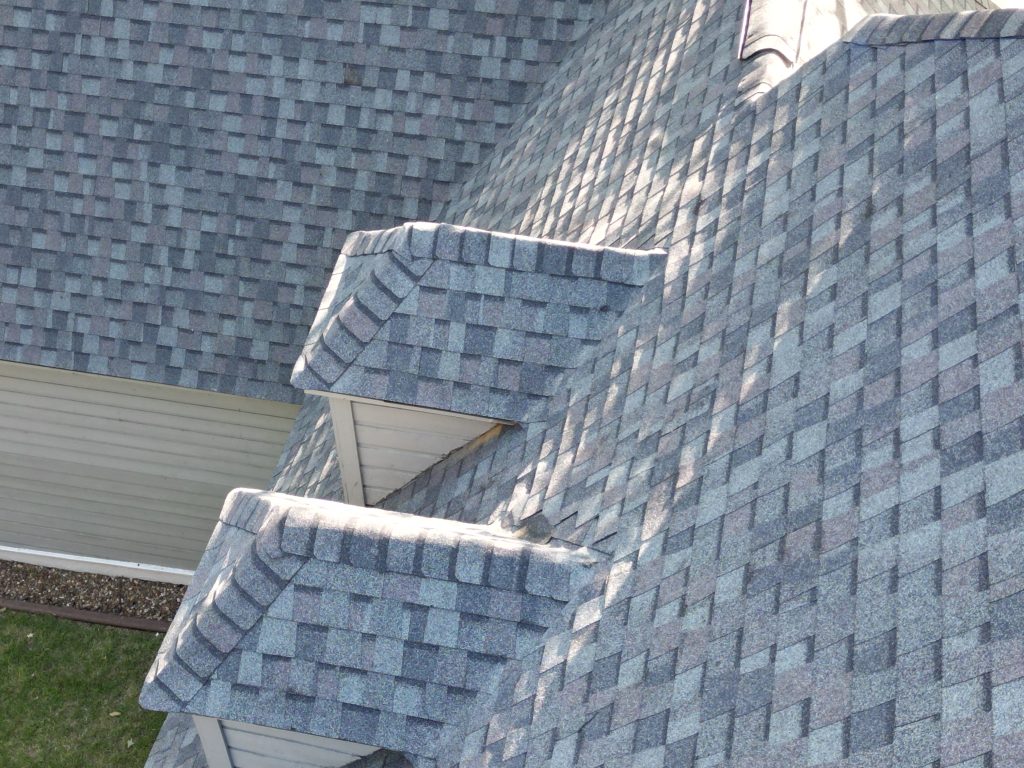
Owens Corning is what we install most across Hopkins County and the surrounding counties, and it is the line our Preferred Contractor status attaches to. The architectural lines carry limited lifetime material coverage, and a qualifying installation can be registered for extended system coverage because of that status.
For hail country the lines worth knowing are Duration STORM and Duration FLEX. Both carry a UL 2218 Class 4 impact rating, which is the rating most Texas carriers look for when they offer a premium credit. The size of that credit is set by your insurer, not by us or by the manufacturer, so the number to trust is the one your own carrier quotes you.
Shingle lines we install
- TruDefinition Duration
- Duration STORM · Class 4
- Duration FLEX · Class 4
- Oakridge
- Supreme
The other five, and where each one earns its place.
We are not tied to a single supplier, which means the brand can follow the roof rather than the other way round. These are the other roofing manufacturers we install and the honest reason you might choose each one. Every rating below is stated as the manufacturer states it, including the two lines most often described as impact rated when they are not.

CertainTeed
GAF
TAMKO
Malarkey
Atlas
Which lines are actually Class 4.
This is the table worth screenshotting before you talk to anybody. Across all six roofing manufacturers we install, this is where the ratings actually sit. UL 2218 Class 4 is the highest of four impact classes, and it is the rating insurers look for. It belongs to specific product lines, not to brands, and across these roofing manufacturers it is regularly attributed to the wrong line. If an impact discount is the reason you are choosing a shingle, confirm the exact product name on the quote, from any contractor.
Owens Corning
CertainTeed
GAF
TAMKO
Malarkey
Atlas
Two practical notes on reading this. A Class 4 shingle is more impact resistant, not immune: hail large enough will still mark one, and the rating describes performance in a controlled steel-ball test rather than a guarantee about a particular storm. And the premium credit is set by your carrier, varies by policy, and is worth confirming with your agent before the shingle choice is made rather than after. You can read how a hail claim is documented on our insurance claims page.
How the choice actually gets made on a real roof.
In practice nobody picks a shingle from a list. The choice narrows itself once you look at the roof, and by the time we hand over an estimate there are usually only two sensible options left. These are the factors that do the narrowing, roughly in the order they matter.
Whether hail is the deciding factor
What your carrier actually credits
Exposure, shade and algae
How long you plan to stay
Color, and matching what is already there
What is actually available
What we will not do is start the conversation from whatever we have most of in the yard. The manufacturer specifications are public, and we link to them above so you can read the ratings from the source rather than taking a contractor’s word for it. Owens Corning publishes its full shingle range, and CertainTeed sets out its impact-resistant lines with the ratings stated plainly.
Two warranties, and they cover different failures.
Whichever of these roofing manufacturers ends up on your house, the roof carries two separate promises, and confusing them is the most common misunderstanding we run into. The manufacturer covers defects in the shingle itself. We cover the installation: how the system was fastened, flashed and vented.
The distinction matters because most problems in the first several years are installation problems, not material defects. A shingle that fails because it was nailed above the nailing zone is not a manufacturing fault, and a manufacturer warranty claim will not resolve it. That is the gap our own workmanship warranty exists to close, and it is why we would rather be judged on it than on which brands we stock.
Our ten-year workmanship warranty is deliberately simple to use: call the office, describe what you are seeing, and somebody comes out. We keep the photographs and the scope from the original job on file, so the conversation starts from a record of what was installed. There is more detail on the workmanship warranty page.
Where to go next.
Questions about the roofing manufacturers we install
For most Northeast Texas replacements the honest answer is that any of these six will perform well if it is installed properly, and installation matters more than brand. Where the choice does move the needle is hail: if an insurance credit is the goal you want a specific Class 4 line rather than a brand name, and if algae streaking is your recurring complaint the Scotchgard-protected lines are worth a look. We will bring samples and talk through it on your roof rather than steering you to whatever we have most of.
No. Owens Corning is our primary line and the one our Preferred Contractor status attaches to, but we install CertainTeed, GAF, TAMKO, Malarkey and Atlas as well. Not being tied to a single supplier means the product can follow the roof and the budget rather than the other way round.
It depends on two numbers your insurer holds: the premium credit they offer and how long you plan to stay in the house. In a part of Texas that sees hail most years the case is stronger than in most places, and a Class 4 shingle also tends to survive a marginal storm without a claim at all. Ask your agent for the credit figure before choosing, because it varies by carrier and by policy and nobody outside your insurer can quote it accurately.
Because the ratings are attributed to the wrong product regularly, and it is the kind of error a homeowner only discovers when they ask their insurer for a discount that never arrives. Standard Timberline HDZ and TAMKO Titan XT are both excellent shingles that are frequently described as Class 4 and are not. Getting that right on the quote costs nothing and prevents a genuinely annoying surprise.
It allows a qualifying Owens Corning installation to be registered for enhanced system warranty coverage that an uncredentialed installation cannot access. It is a manufacturer program about warranty registration, not an assessment of workmanship. The install itself is covered by our own ten-year workmanship warranty, which is a separate promise from a different party.
Let's get somebody up there to look.
A free inspection, photographs of what we find, and a written estimate that names the exact product line rather than just the brand, from whichever of these roofing manufacturers suits the roof.