The short version
- Asphalt in Texas usually gives 15 to 25 years depending on line and ventilation.
- Metal runs 40 to 70 years, with fastener maintenance on exposed-fastener systems.
- Heat, UV and hail are what shorten roof life here, and all three run hard in Northeast Texas.
- Attic ventilation is the single biggest thing you control. Poor airflow can cost a decade.
- Color and orientation matter less than people expect. Installation quality matters more.
- Start planning at around 80 percent of expected life rather than waiting for the first leak.
How long a roof lasts in Texas depends mostly on one thing: the material it is made of. An asphalt shingle roof might give you 20 years, while a metal roof can protect your home for 50 years or more. But the Texas climate, with its brutal summer heat, frequent hail, and high humidity, can shave years off any roof that is poorly installed or never maintained. This guide breaks down how long a roof lasts in Texas by material, what makes roofs wear out faster here, and what you can do to get the full lifespan out of the roof you paid for.
Average Roof Lifespan in Texas by Material
Here is roughly how long a roof lasts in Texas for the most common roofing materials when properly installed and maintained:
- 3-tab asphalt shingles: 15 to 20 years
- Architectural (dimensional) shingles: 22 to 30 years
- Class 4 impact-resistant shingles: 25 to 30 years
- Exposed-fastener metal panel: 30 to 45 years
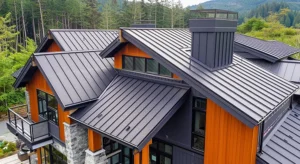
- Standing seam metal: 40 to 70 years
- Clay or concrete tile: 50 years or more
These ranges assume a quality installation and basic upkeep. In the harsh Northeast Texas climate, a neglected roof or a roof installed over an old layer often lands at the low end of its range, while a well-ventilated, well-maintained roof reaches the high end.
Why Texas Weather Shortens Roof Life
Roofs in Texas work harder than roofs in milder climates, and that affects how long a roof lasts in Texas compared to the manufacturer’s ideal numbers. Several forces age your roof faster here:
- Intense heat and UV. Long, hot summers bake shingles, dry out the asphalt, and cause cracking and granule loss over time.
- Hail. Northeast Texas sits in an active hail corridor. Even hail that does not destroy a roof can bruise shingles and knock off the granules that protect them, shortening their life.
- Humidity and storms. Moisture, wind-driven rain, and rapid temperature swings stress seams, flashing, and underlayment.
- Thermal cycling. Daily heating and cooling makes materials expand and contract, slowly loosening fasteners and seals.
This is exactly why material choice and installation quality matter more in Texas than almost anywhere else.
What Affects How Long Your Roof Lasts
Two homes with the same shingles can have very different roof lifespans. These factors decide which side of the range you land on:
Installation Quality
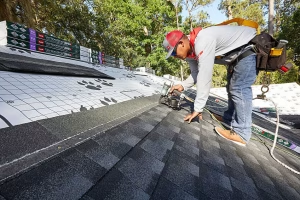
A roof is only as good as the crew that installs it. Proper nailing, correct flashing, sealed valleys, and a full system rather than shingles alone are what let a roof reach its rated life. Poor workmanship is one of the most common reasons roofs fail years early.
Attic Ventilation
Inadequate ventilation traps heat and moisture in the attic, which cooks shingles from below and can void some warranties. Good intake and exhaust ventilation is one of the least expensive ways to extend how long a roof lasts in Texas.
Maintenance
Roofs that get an annual inspection and prompt small repairs last noticeably longer than roofs that are ignored until they leak. Clearing debris, keeping gutters flowing, and fixing a lifted shingle early all add years.
Roof Color and Slope
Lighter colors reflect more heat and can run cooler, and steeper slopes shed water and debris better than low slopes, both of which help longevity.
How to Make Your Roof Last Longer
You can protect your investment and push your roof toward the top of its lifespan range with a few habits:
- Schedule a professional inspection once a year and after any major hail or wind storm.
- Keep gutters clean so water drains away from the roof edge and fascia.
- Trim overhanging branches that rub shingles or drop debris.
- Make sure your attic is properly ventilated and insulated.
- Address small issues, like a cracked pipe boot or lifted shingle, before they become leaks.
Our team is happy to handle annual inspections and minor repairs through our roof inspection and roof repair services.
Signs Your Roof Is Near the End of Its Life
No matter how long a roof lasts in Texas on paper, these signs mean it is getting close to replacement: shingles that are curling, cracking, or missing across the roof, bald spots where granules have worn off, granules collecting in your gutters, daylight or water stains in the attic, sagging areas, and an age that is already near the material’s expected lifespan. One or two of these may call for repair, but several together usually point to replacement. See our guide on the warning signs and compare options on our roof replacement page.
Should You Repair or Replace an Aging Roof?
If your roof is well within its lifespan and the damage is isolated, repair is usually the right call. If the roof is near or past its expected age and shows widespread wear, replacement is the smarter long-term investment, since repairs on an old roof are money spent on something that will soon need replacing anyway. A professional inspection gives you an honest read on which path makes sense for your home and budget.
Roof Lifespan and Your Insurance
Roof age also affects insurance. As a roof gets older, some Texas carriers shift it from full Replacement Cost Value coverage to Actual Cash Value, which pays the depreciated amount on a claim, or they may decline to renew an aging roof. Replacing a roof that is near the end of its life can keep you eligible for better coverage and reduce the risk of storm damage you have to pay for yourself. Learn more on our insurance claims page.
Roof Lifespan vs. Warranty: What Is the Difference?
Homeowners often assume a 30 year shingle comes with a 30 year guarantee, but lifespan and warranty are not the same thing. The lifespan is how long the roof should realistically last in your climate with proper care. The warranty is the manufacturer’s promise to cover certain defects, and it usually has two parts: a shorter full-coverage period and a longer prorated period where coverage shrinks each year.
Many warranties also require professional installation and proper ventilation to stay valid, which is another reason workmanship matters. In practice, how long a roof lasts in Texas is driven far more by installation quality, ventilation, and maintenance than by the number printed on the shingle wrapper. As an Owens Corning Preferred Contractor, DJJ Roofing installs systems that qualify for stronger manufacturer warranties than a standard install.
When Should You Start Planning for a New Roof?
The best time to plan a roof replacement is before the old roof fails, not after a leak floods your ceiling. A good rule of thumb is to start budgeting and getting inspections once your roof reaches about 80 percent of its expected lifespan. For a typical architectural shingle roof in Texas, that means paying close attention around the 18 to 20 year mark. Planning ahead lets you replace on your schedule, compare materials calmly, and avoid the emergency pricing and stress that come with a sudden failure during storm season.
It also keeps you in better standing with your insurance, since carriers look more favorably on newer roofs. If your roof is approaching that age, a free inspection will tell you how much life is left and help you plan the timing and budget.
Why Northeast Texas Homeowners Choose DJJ Roofing
DJJ Roofing has served Northeast Texas since 2018 as a family-owned company focused on roofs that reach their full lifespan. We are fully insured, a BBB Accredited Business, Google Guaranteed, and an Owens Corning Preferred Contractor, with a 4.9 star rating across 76 Google reviews. From our base at 124 Como St S in Sulphur Springs, we install and maintain shingle and metal roofing systems built to last in the Texas climate. Call us at (903) 217-5431 for a free inspection or estimate.
Frequently Asked Questions About Roof Lifespan in Texas
How long does a roof last in Texas?
Most asphalt shingle roofs in Texas last 15 to 30 years depending on the shingle grade, while metal roofs last 40 to 70 years. The Texas heat and hail tend to push roofs toward the lower end of their range unless they are well installed, ventilated, and maintained.
How long do architectural shingles last in Texas?
Architectural shingles typically last 22 to 30 years in Texas with proper installation and maintenance. They outlast basic 3-tab shingles because they are thicker and more wind resistant.
Does hail shorten a roof’s lifespan?
Yes. Even hail that does not cause obvious holes can bruise shingles and remove protective granules, which speeds up aging. After any significant hailstorm, a professional inspection is the best way to catch hidden damage early.
How can I tell if my roof needs replacing?
Widespread curling or missing shingles, granules in the gutters, attic leaks or stains, sagging, and an age near the material’s lifespan are the main signs. A roof inspection confirms whether repair or replacement is the right move.
Does a metal roof really last 50 years?
A quality standing seam metal roof can last 40 to 70 years in Texas, often outlasting two or three shingle roofs. The higher upfront cost is offset by the long lifespan, hail resistance, and energy savings.
Not sure how much life your roof has left? Get a free, no-obligation roof inspection from DJJ Roofing and a straight answer on repair or replacement. Call (903) 217-5431 or contact us here.
How a Roofer Estimates Remaining Life
Nobody reads a roof lifespan off a chart. It is estimated from what the roof shows, and the evidence is fairly consistent.
Granule coverage is the first thing. A young asphalt roof has dense, even granules; an aging one shows thinning, especially on sun-facing slopes and below valleys where water concentrates. The asphalt beneath is what weathers once those granules are gone.
Then flexibility. A shingle with life left has some give. One near the end of its roof lifespan is brittle and cracks rather than bends. Edges curling upward or cupping in the middle point the same way.
Finally the deck. Sheathing that has been wet over years goes soft, and a soft deck shortens the roof lifespan of anything laid on it, because fasteners stop holding reliably.
Color, Orientation and Shade
Two identical roofs on the same street can differ in roof lifespan by years, and orientation explains much of it.
South and west-facing slopes take the most direct sun and the highest surface temperatures. They almost always age first, and on many houses the difference between the south slope and the north one is visible from the street long before the roof lifespan is up.
Color matters for the same reason. A dark roof absorbs more solar energy and runs hotter, which accelerates the aging of the asphalt beneath. The effect is real though modest, and it is a legitimate trade against how a color looks on a particular house.
Shade cuts both ways. A tree that shields a slope from afternoon sun extends its roof lifespan; the same tree dropping limbs and holding moisture against the surface shortens it.
Pitch, Drainage and Why Flat Is Different
Water that leaves quickly does less damage than water that lingers, so pitch drives roof lifespan more than most people expect.
A steep roof sheds fast, dries fast, and accumulates less debris. A low-slope roof holds water longer at every seam and penetration. That is why the roof lifespan of a low-slope section is typically shorter than the steeper planes on the same building.
Valleys concentrate flow from two planes into one channel, so they wear faster than open field. Anywhere water is directed rather than simply falling, expect the surface to age ahead of its surroundings.
On genuinely flat commercial roofs the materials are different and so are the expectations. A TPO or modified bitumen roof is engineered for standing water in a way asphalt shingles are not.
Installation Quality Sets the Ceiling
This is the factor with the widest effect and the least visibility, because none of it can be seen once the roof is finished.
- Nail placement. Fasteners outside the manufacturer’s nailing zone leave shingles held by adhesive alone.
- Nail depth. Overdriven nails cut the mat; underdriven ones leave the shingle proud.
- Starter course at eaves and rakes, which is what resists wind at the perimeter.
- Flashing at every wall, chimney and penetration, which is where most leaks begin.
- Underlayment as the secondary barrier when wind drives rain under the courses.
- Deck preparation, because soft sheathing undermines everything above it.
A premium shingle installed carelessly will not reach its rated roof lifespan. A mid-range shingle installed properly frequently exceeds expectations. That gap is larger than the difference between product tiers.
Ventilation Is the Quiet Variable
The attic beneath decides a great deal of the roof lifespan above it, and it is the factor homeowners are least likely to think about.
Heat trapped under a roof deck cooks the asphalt from underneath, where there are no granules protecting it. An unventilated attic in a Texas summer can run forty degrees above the outside air, and that heat works on the roof continuously for months.
Winter matters too. Household moisture rises, meets a cold deck, and condenses on the sheathing. Repeated over enough seasons, that softens the decking and rusts the fasteners, which shortens the roof lifespan regardless of how good the shingles are.
Blocked soffit intake is the usual culprit, generally caused by insulation added without baffles. Correcting it is inexpensive during a replacement and awkward afterward.
Lifespan by Component, Not Just Shingle
A roof is an assembly, and the parts do not wear at the same rate. Thinking about roof lifespan as a single number hides that.
- Pipe boots are frequently the first failure, often at ten to fifteen years, because the rubber collar cracks in the sun.
- Sealant at flashing needs renewing well before the shingles are finished.
- Ridge cap is exposed on both sides and can wear ahead of the field.
- Valley metal concentrates water and can outlast or precede the field depending on material.
- Gutters have their own life, usually twenty years or more if maintained.
- Decking can last through several roof coverings if it is kept dry.
That is why an aging roof is not automatically a replacement. Replacing boots and renewing sealant at the right moment can add years to the useful roof lifespan of a roof that is otherwise sound.
What “Lifetime” Means on a Warranty
The word appears on a great many shingle packages and it does not mean what most people assume.
A lifetime warranty typically covers manufacturing defects for as long as the original owner holds the property, and its value tapers sharply after an initial period. It is not a statement about roof lifespan, and it does not cover hail, wind, or installation error.
Storm damage is an insurance matter. Installation is the contractor’s responsibility, which is what a separate workmanship warranty covers, and ours runs ten years. Reading a long manufacturer warranty as broad protection is the most common misunderstanding we encounter.
Getting More Out of the Roof You Already Have
Most of what extends a roof lifespan is unglamorous and inexpensive, which is why it gets skipped.
Keep the gutters clear so water leaves rather than backing up under the edge. Trim branches so nothing scours the surface in a breeze. Have the roof looked at after significant storms, because hail bruising is invisible from the ground and gets worse with every following rain. Fix small things while they are small, particularly pipe boots and flashing.
And check the attic once a year. It costs nothing and it is where problems announce themselves first. Between them, those habits routinely add several years to a roof lifespan at almost no cost.
Our roof maintenance page covers what a scheduled visit includes, and our roof inspections are free.
Knowing Where Your Roof Sits
General roof lifespan figures are useful for planning and useless for deciding. What matters is this roof, on this house, with its own orientation, ventilation and storm history.
An inspection settles it. We look at granule coverage, flexibility, flashing, penetrations and the attic, and tell you roughly how many years are left and what would extend them. If the answer is that the roof is fine, that is a reasonable thing to know at year fifteen.
Where the roof lifespan is genuinely near its end, our roof replacement page sets out what the work involves, and we provide a written figure rather than a single number.
For independent reference on materials and expected service life, the National Roofing Contractors Association publishes technical material at nrca.net, and Owens Corning documents its own product specifications at owenscorning.com.
Metal, and Why the Numbers Are Different
Asphalt dominates residential roofing here, but metal is common on shops, barns and an increasing number of houses, and its roof lifespan sits in a different bracket entirely.
A standing seam roof will often give forty years or more, because the fasteners are concealed beneath the seam and the weather surface is uninterrupted. There is far less to fail. Hail that dents a panel is usually cosmetic rather than a leak path, which matters a great deal in this region.
An exposed-fastener panel is a different assembly. Every screw passes through the panel, sealed by a rubber washer, and those washers age. The roof lifespan of an exposed-fastener system depends heavily on whether the fasteners are inspected and replaced when they need it, which is a maintenance question rather than a material one.
Either way the comparison is not like for like. A metal roof usually costs more up front and outlasts two or three asphalt roofs. Our metal roofing page covers the detail.
Hail, and How Much It Takes Off
Storm history is the variable that separates Northeast Texas from national averages, and it is why published roof lifespan figures read optimistically here.
Hail rarely holes an asphalt shingle. It bruises: the impact fractures the mat beneath the surface and knocks granules loose, leaving a soft spot that sheds more granules with every rain afterward. The shingle still looks whole, and the roof lifespan has shortened anyway.
A single significant event can take several years off a roof without producing a single visible hole. Several events over a decade compound. That is why a roof here can be replaced at seventeen years when the same product elsewhere would still be serviceable at twenty-five.
It is also why a post-storm inspection matters even when nothing looks wrong. Damage assessed and claimed at the time is a different situation from damage discovered five years later, by which point a carrier will reasonably ask when it happened.
What Buyers and Insurers Do With the Number
Roof age is not just a maintenance concern. It is a number other people use to make decisions about your house.
Insurers increasingly price by roof age, and some will decline to write replacement-cost coverage on a roof past a certain point, offering actual cash value instead. That distinction can be worth thousands after a storm, because actual cash value settlements deduct depreciation.
Buyers and their inspectors treat a roof near the end of its roof lifespan as a negotiating item, usually a large one. Replacing before listing frequently returns more than it costs; doing it under contract rarely goes as smoothly.
Keeping the paperwork matters for both. An installation date, the product line, and photographs establish roof age definitively rather than leaving it to an estimate.