Shingle Roofing in Emory, TX
DJJ Roofing has been doing shingle roofing in Emory since 2015, working out of one shop in Sulphur Springs. Emory is forty minutes from the shop and sits on the route we take toward Canton, so we are through there regularly. Inspections are free, the photographs are yours to keep, and the estimate is written down before anything starts.
- Six shingle brands, including impact-rated
- Owens Corning Preferred Contractor
- Most homes finished in a single day
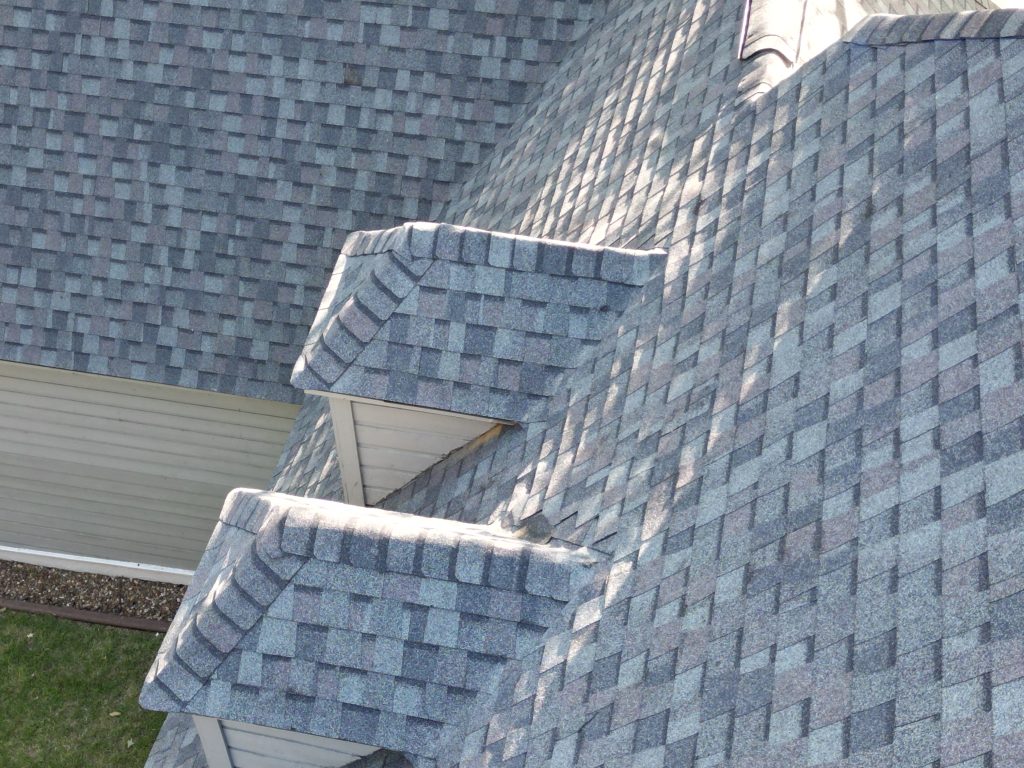
Shingle roofing for Emory homes
Asphalt shingle covers most of the houses around Emory for sound reasons: it is affordable, it performs well when installed correctly, and there is a product at almost every budget.
All of it is covered by the written estimate for shingle roofing in Emory before any work starts. If something turns up once we are on the roof, you see a photograph of it and decide what to do, rather than finding it as a line on an invoice afterwards.
Architectural shingle
Two laminated layers giving depth, weight and a much better wind rating than three-tab. This is what goes on most Emory homes we re-roof. The same applies on commercial and residential work across Rains County.
Impact-rated shingle
UL 2218 Class 4 products designed to take hail better. Worth serious consideration in Rains County, and many carriers offer a premium credit for them. On an Emory roof that is part of the same visit rather than a separate call-out.
The system underneath
Starter course, synthetic underlayment, valley membrane, drip edge and balanced ventilation. The shingle is the part you see and not the part doing the most work. Nothing here is an optional extra on an Emory roof.
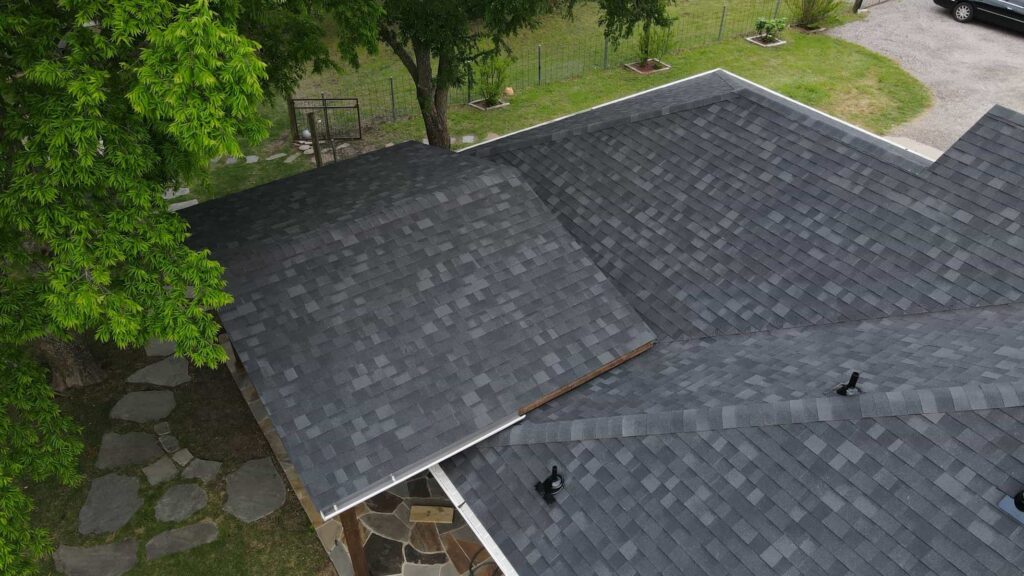
The building stock around Emory
Emory is the Rains County seat and the smallest county seat we work in. The roof stock is modest older housing in town, newer building out toward Lake Tawakoni, and farm property on the county roads. Lake-adjacent property is the distinctive part and behaves differently from anything in town.
We keep a separate page for Emory rather than one page for the whole region because the answers genuinely differ. Roof age, pitch, material and exposure all change what the right job is, and a general page cannot say anything useful about any of them.
Emory is forty minutes from the shop and sits on the route we take toward Canton, so we are through there regularly. There is more about the area on the Emory page, and more about the work on the Shingle Roofing page.
Practically, it means we are in Emory often enough that a job there is not a special trip. That keeps scheduling short, and it keeps us available if something needs looking at again afterwards, which matters more than most people expect when they are choosing a roofer.
What Rains County throws at a roof
Rains County sits where storms tracking up from the south-west arrive early, and Lake Tawakoni gives wind a long clear run at anything on or near the shoreline. Roofs in this part of Texas seldom fail all at once. They are worn down in three or four predictable ways, and all of them are visible long before a ceiling stains.
That is what the free inspection is for. Before we quote shingle roofing in Emory we photograph every slope, so you can see which of these has actually happened to your roof rather than guessing at it from the ground.
All of it feeds into what shingle roofing in Emory actually has to address.
Storm season
Most of the roof damage we document around Emory happens in a handful of spring storms. The rest of the year is mainly heat and time.
Heat and attic temperature
An attic that runs hot through a Rains County summer ages the shingle above it from the underside, where nobody is looking.
Water that does not leave
Blocked gutters and flat spots hold water against the roof edge long after the rain has stopped. That is a slow failure rather than a sudden one.
What the roofs around Emory are actually like
Storms rather than the calendar drive the year here, and Emory often sees a system before the rest of Northeast Texas does. That makes it one of the places where we first find out what a spring storm is going to do to everybody else.
Rains County is one of the smallest counties in Texas, and Lake Tawakoni dominates its southern edge. Very little of the county is far from that water, which is why exposure comes up in almost every Emory conversation.
What we work on here
Smaller houses in town, a good deal of them older and modestly sized, alongside newer and often larger building toward the water. Outbuildings are common on the county roads, nearly all of them exposed-fastener metal. It is a town where a single street can hold a 1950s house and something built last decade.
What people choose
Exposure is the deciding factor near the water, and it pushes the conversation toward systems with nothing exposed to work loose. Further in, architectural shingle remains the sensible default, with impact-rated lines worth costing out given how often Rains County gets hit.
How long we have been here
Emory has been on our regular route for years, largely because it sits on the way to Canton and Van Zandt County rather than off on its own.
Why two identical shingles last different lengths of time
Manufacturers publish a service life that assumes correct installation and adequate ventilation. Most shingle roofs that fail early in Rains County fail for reasons that have nothing to do with the shingle itself.
None of it is visible from the ground, which is the practical problem. An Emory roof can look completely sound from the yard and be two or three years from a leak, and the only way to know which is to get on it and photograph what is actually there.
Nailing zone and fastener count
Nails driven high, low, overdriven or underdriven all reduce wind resistance. It is invisible once the next course is on and it is the most common installation fault. It accounts for a real share of the Emory roofs we are called to.
Starter course
A proper starter strip with its adhesive along the eave and rake is what stops the first course lifting. Cut-up shingle used as starter does not do the same job. Regular enough at Emory addresses that we look for it first.
Overdriven fasteners
A nail driven too hard cuts through the mat instead of holding it. The shingle is fastened and not held. Regular enough at Emory addresses that we look for it first.
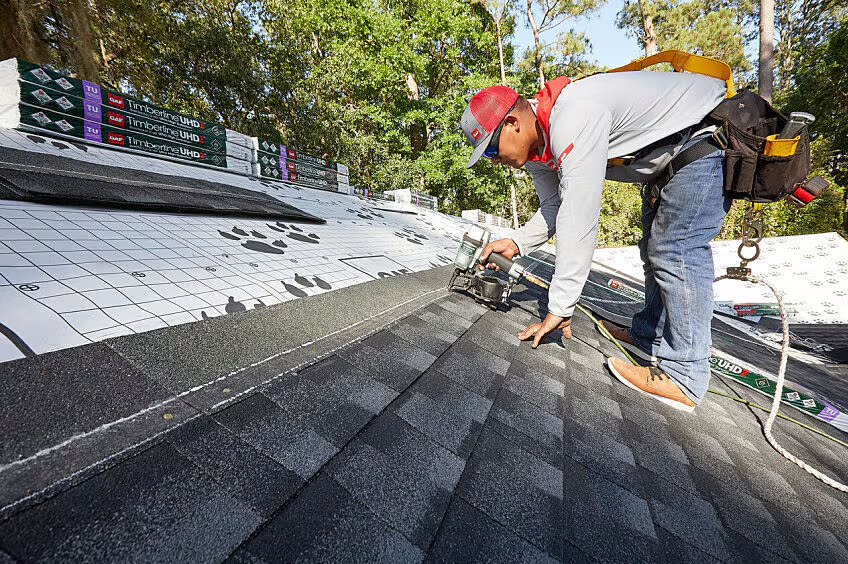
How a shingle roof goes on in Emory
The same sequence every time, and most single-family homes in Emory finish inside a single day.
Nothing in that sequence costs you anything until you agree to the written estimate. The inspection, the photographs and the quote for an Emory property are free either way.
Inspection
Every slope walked and photographed, and the attic checked where we can get to it for daylight and for ventilation. The same on a small repair and a full replacement in Emory.
Written estimate
Set out in writing, with decking priced per sheet, so you know what the job covers before it starts. No Emory job skips this stage.
Tear-off
Down to the deck. Drive, planting and windows protected before the first shingle comes off. It applies whether the Emory job takes an hour or a full day.
The system back on
Deck repairs, underlayment, valley membrane, drip edge, starter, field shingle, then ridge and ventilation, in that order. We follow this on every property we work on around Emory.
Cleanup and walkthrough
Magnets over drive and lawn, all debris hauled, and the finished Emory roof walked through together. We follow this on every property we work on around Emory.
Six things to look for on an Emory shingle roof
Shingle gives more warning than most roofing materials. These separate a roof that is aging normally from one that has had something happen to it.
If you can see one of these from the ground at an Emory address, it is worth having somebody look properly. Most of them are inexpensive to deal with early and expensive to leave.
Granule loss
Steady loss is normal aging. A sudden increase after a storm usually means hail rather than age. We photograph it on every Emory inspection where it is present.
Bruising you can feel
A hail hit leaves a soft spot that reads underfoot and is nearly invisible from the ground. This is why inspections happen on the roof. It turns up often on older properties around Emory.
Mismatched patches
Previous repairs in different colors often mark the slopes that have given trouble before, which is useful to know. It shows up on Emory roofs of every age, not only the old ones.
Missing ridge caps
The most exposed course on the roof and usually the first to leave in a wind event around Emory. This is one of the more frequent findings on a Rains County roof.
Algae streaking that keeps returning
Cosmetic in itself, but it holds moisture against the surface and marks the slopes that dry slowest. Worth a look from the ground at any Emory address after a storm.
A wavy line along a course
Usually a fastening problem rather than a shingle problem, and it tends to affect a whole run. A regular finding across Rains County, and rarely urgent on the day.
The shingle brands we install
We install six brands. Only Owens Corning carries a credential we actually hold, and we will not pretend otherwise about the other five.
Any of these can be the right answer in Rains County. The wrong answer is the one chosen without anybody looking at the roof first, which is why the inspection comes before the recommendation rather than after it.
Worth reading elsewhere: Owens Corning publishes the wind and impact ratings for each shingle line, and the National Roofing Contractors Association covers correct nailing and ventilation.
Owens Corning
We are an Owens Corning Preferred Contractor. Duration is the workhorse line and Duration STORM is the impact-rated option. This comes up often on Emory jobs and we will quote it on request.
Malarkey and Atlas
Malarkey Legacy and Atlas Pinnacle Impact are both genuine UL 2218 Class 4 products and both are worth a look if hail is your main concern. This comes up often on Emory jobs and we will quote it on request.
Three-tab
The economical option, still sensible on outbuildings and rentals. Lighter, flatter and rated for less wind than architectural. We have put a lot of this on buildings around Emory.
Ice and water membrane
Self-adhering, in the valleys and around every penetration. It is the secondary barrier that matters when rain arrives sideways rather than straight down. Worth considering on most Emory properties, and we will say when it is not.
What a shingle roof costs in Emory
Asphalt replacement in this part of Texas generally runs $6,000 to $14,000 including tear-off. Where a particular house lands comes down to these.
Every estimate we write for shingle roofing in Emory names the work and the materials in plain terms, with decking priced per sheet, so you know exactly what you are getting. That also makes it straightforward to compare against anything else you have been quoted.
Ventilation
Adding or correcting ridge and soffit ventilation during the re-roof is inexpensive and it is the single biggest factor in how long the new shingle lasts. Nothing about this is guessed at from the ground on an Emory roof.
Penetration count
Every vent, pipe and skylight is a detail that has to be flashed. An Emory roof with a dozen of them takes noticeably longer than one with three. It is assessed the same way on every Emory job we quote.
Stepping up to impact-rated
A real increase on the day, and many Texas carriers offer a premium credit for it. The amount varies by carrier, so ask yours before deciding rather than taking a figure from us. Nothing about this is guessed at from the ground on an Emory roof.
Class 4 is worth asking your carrier about
Impact-rated shingles cost more up front and many Texas carriers offer a premium credit for them. The amount varies by carrier, so we will not print a percentage. Ask yours what they allow before you choose a line. More detail on roofing manufacturers.
“WOW! DJJ Roofing was here at the crack of dawn and before sunset our house had a brand new beautiful roof. The young men on Eliceo’s crew worked tirelessly and professionally under his watchful eye. We were very impressed. Good company, good management, and great price.”
 Verified on Google
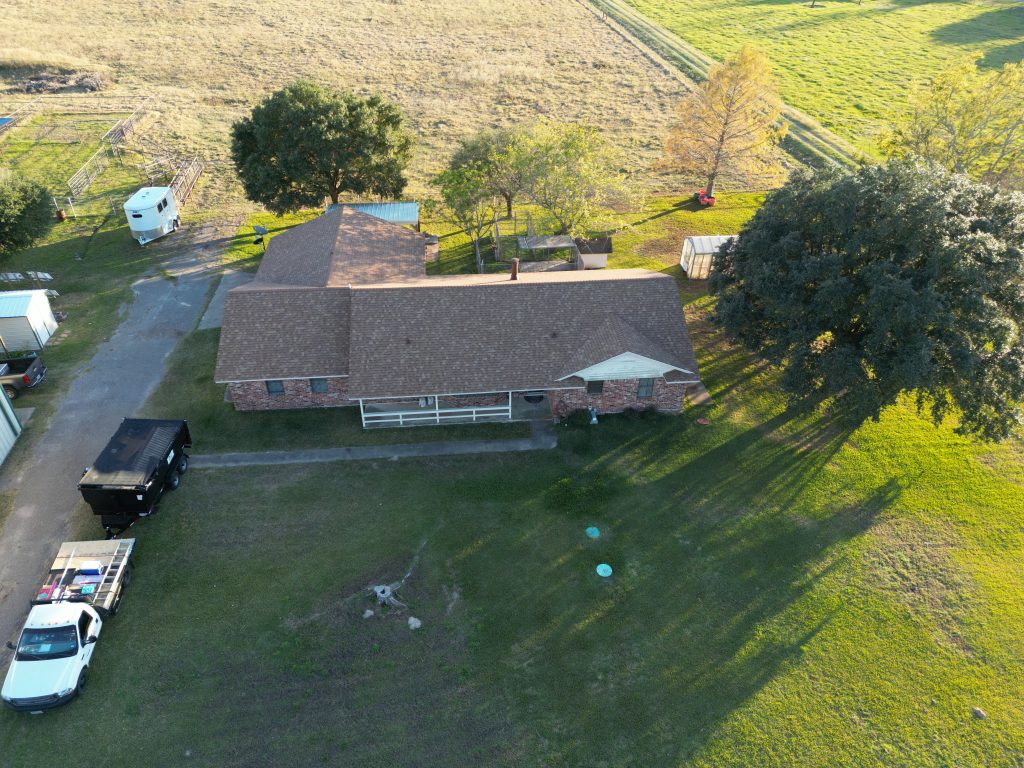
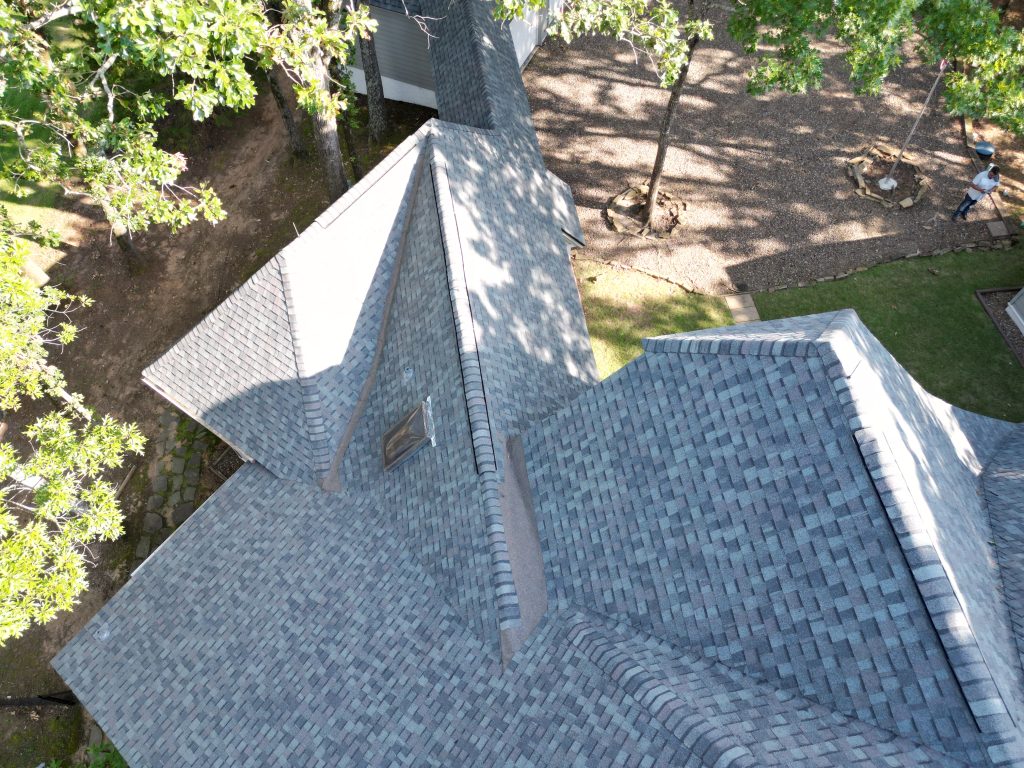
Roofs we have finished around Northeast Texas
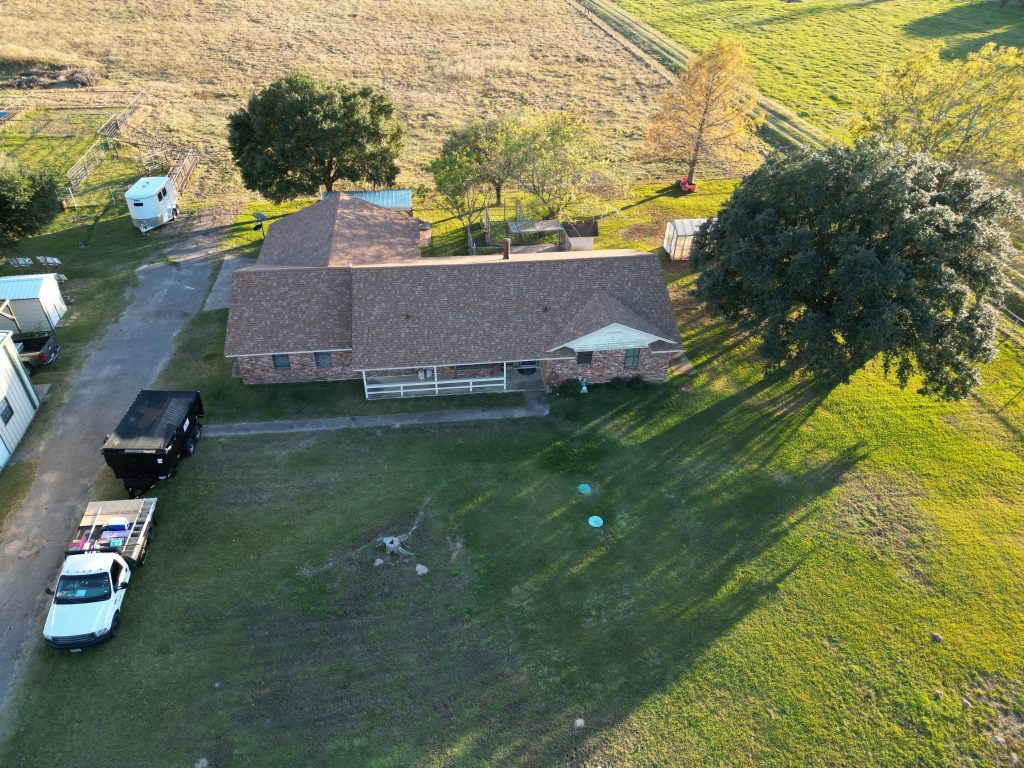
Why Emory property owners call us
If you are weighing up who to call in Emory, these are the things that actually matter once the work is done and the invoice is paid.
Every one of those is verifiable before you commit to anything. Ask us for the certificate of insurance, read the reviews at the source rather than the ones we chose to reprint, and keep the written estimate somewhere safe once you have it.
Somebody local answers
Eliceo and Daniel handle the calls themselves. There is no call center between you and the people doing the work on your Emory roof. That has been true for every Emory job since 2015.
Scheduling in days
Emory is forty minutes from the shop and sits on the route we take toward Canton, so we are through there regularly. Most weeks we can have somebody at an Emory address within a few days, and an active leak moves to the front of the queue. That is how we have worked around Emory from the start.
A warranty that means something
Ten years on our workmanship, in writing, on top of whatever the manufacturer covers on the material itself. Two different things covering two different failures. That has been true for every Emory job since 2015.
4.9 across 76 reviews
Published on Google and Facebook, unfiltered, and a good share of them from Rains County. You can read every one of them at the source. That has been true for every Emory job since 2015.
Towns near Emory
We cover the towns around Emory on the same trips, so a job a few miles out is rarely a separate journey or a longer wait. Each one below has its own page with the local detail for that area, including what the roofs there have actually been through.
Other roofing work in Emory
The other jobs we handle at Emory addresses. If what you need is not shingle roofing, it is almost certainly on this list, and each one has a page of its own.
We keep a page per job per town rather than one page for everything because the honest answers differ. Roof age, pitch, material and exposure all change what the right work is at an Emory address, and a page written for the whole region cannot say anything useful about any of them.
Questions we get about shingle roofing in Emory
For most homes, yes. Architectural shingle is heavier, better rated for wind, lasts longer and looks considerably better, for a modest difference in price. Three-tab still has a place on outbuildings and rentals.
Wind rating is the practical difference most people notice. Architectural shingle is rated substantially higher than three-tab, which matters on the exposed sites around Emory where there is nothing to slow the wind down. The honest answer for any particular Emory property depends on what is actually up there, which is what the free inspection establishes.
Four in normal conditions and six in high-wind applications, driven flush in the manufacturer nailing zone. It sounds like a detail and it is the single most common installation fault we find on roofs that have lost shingles in wind. Once the next course is on, nobody can see it, which is exactly why it gets skimped. That is the general picture. What it means for your Emory roof is a question the photographs answer better than we can here.
It is the wind speed the shingle is tested to stay attached in when it has been installed exactly as specified, including the fastener count. Installed with four nails where the rating assumes six, the number on the wrapper no longer applies. The honest answer for any particular Emory property depends on what is actually up there, which is what the free inspection establishes.
We would rather you did not. Beyond the fall risk, foot traffic scuffs granules off, and in hot weather shingles are soft enough to damage under a boot. If you want to know what is up there, the inspection is free. We are happy to go through this in more detail for an Emory roof, either on the phone or when we are out there.
Code generally permits two, and we install one. Every additional layer hides the deck, adds weight and stops the new shingle lying flat, which shortens its life. The saving is real on the day and it is borrowed against the next roof. For an Emory address we would rather look at the roof than answer it in general terms, and looking costs nothing.
Ask us about shingle roofing in Emory
Fill this in and we will call you back to arrange a time that suits you. The inspection and the written estimate are both free, and if the roof turns out to be fine that is what the report will say.
Get Your Free Quote
Enter your details below and we will get back to you with a real number.
One call, and somebody is on the roof this week.
We will walk the roof, photograph what we find and put a price in writing. What you do with it afterwards is entirely up to you, and the inspection costs nothing either way. If the roof turns out to have years left in it, that is what the report will say and there will be no invoice attached.
Ask us about shingle roofing in Emory and we will tell you plainly what the roof needs.