Residential Roofing in Emory, TX
For residential roofing in Emory, DJJ Roofing covers Rains County from our shop in Sulphur Springs. Emory is forty minutes from the shop and sits on the route we take toward Canton, so we are through there regularly. You get a roof walked properly, photographs of everything we find, and a written estimate you can take away and think about.
- Shingle and metal on homes of every age
- Free inspection, written estimate, no pressure
- Family-owned and working here since 2015
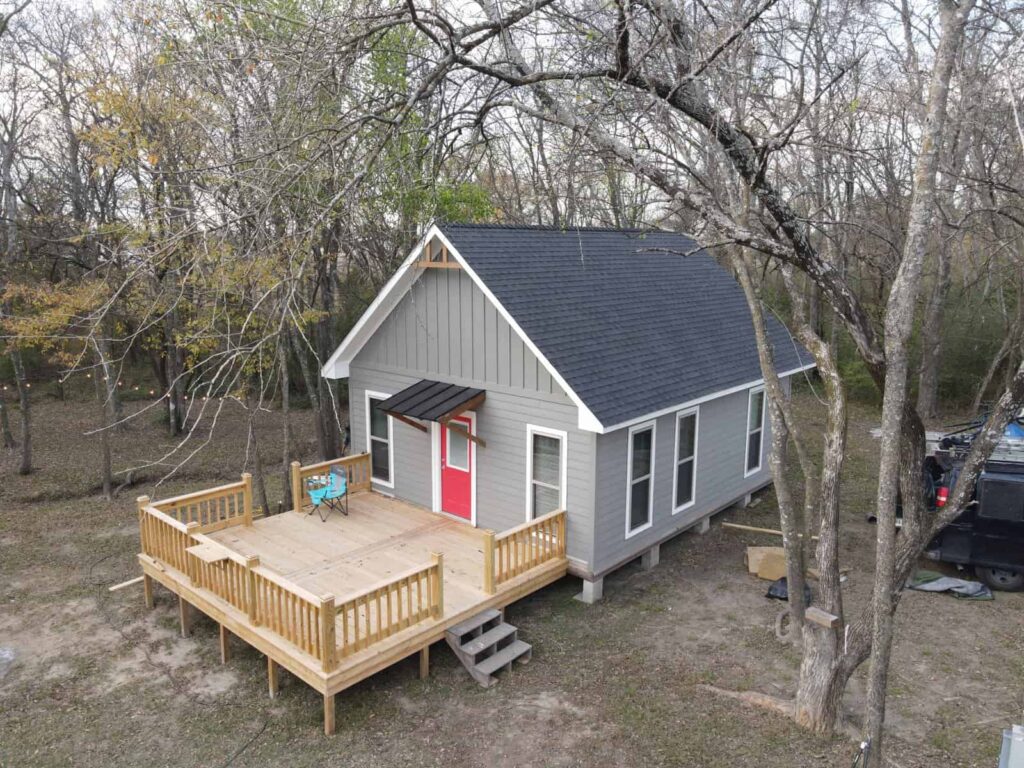
Residential roofing work we do around Emory
At a Emory address, most of what we do is houses. Emory is the Rains County seat and the smallest county seat we work in. The roof stock is modest older housing in town, newer building out toward Lake Tawakoni, and farm property on the county roads. Lake-adjacent property is the distinctive part and behaves differently from anything in town. That range is why we do not quote a home from a photograph.
Everything below is included in the price we quote for residential roofing in Emory. There is no separate line for showing up, no charge for the inspection, and nothing added afterwards that was not on the estimate you agreed to before the work started.
That is the scope every quote for residential roofing in Emory is written against.
Ventilation and attic health
Intake and exhaust have to be balanced. An attic that runs hot in a Rains County summer takes years off the shingle above it and shows up on the power bill first. That is the standard on every Rains County job we take on, not an upgrade.
Gutters and drainage
Water has to leave the roof and get away from the house. Seamless gutters sized and pitched properly are part of keeping a roof and a foundation dry. It is included in the price quoted for a Emory address, never billed after the fact.
Storm damage documentation
If a Emory home has taken wind or hail, we photograph every elevation and prepare factual scope information you can hand to your carrier. Every Emory property we work on gets this as part of the job.
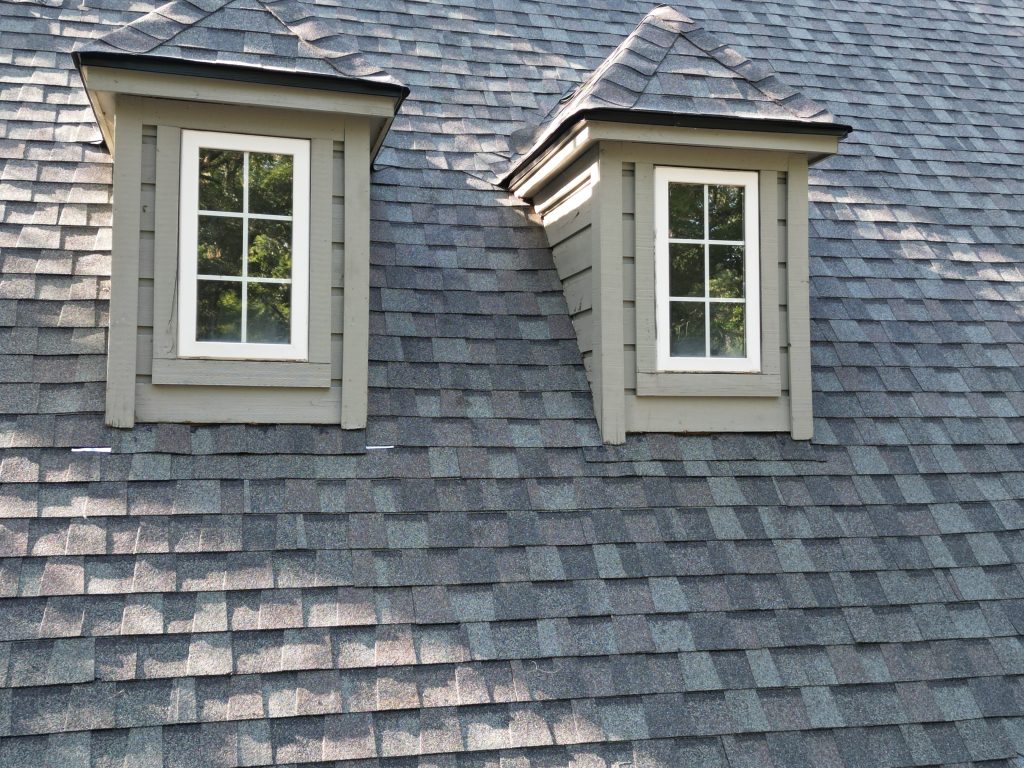
Roofs in Emory are not all the same age
Emory is the Rains County seat and the smallest county seat we work in. The roof stock is modest older housing in town, newer building out toward Lake Tawakoni, and farm property on the county roads. Lake-adjacent property is the distinctive part and behaves differently from anything in town.
Emory is forty minutes from the shop and sits on the route we take toward Canton, so we are through there regularly. That matters more than it sounds. A crew that works the same counties every week already knows which subdivisions went up with builder-grade shingle and which older streets have the cut-up rooflines where flashing does the real work.
It also means the office that writes your estimate is the office that answers the phone in year three. You can read more about the town itself on our Emory page, or about the service generally on our Residential Roofing page.
The short version is that we are close enough to Emory to be useful and small enough to care whether the job was right. Both of those matter more in year three than they do on the day.
The three things Emory roofs take
Rains County sits where storms tracking up from the south-west arrive early, and Lake Tawakoni gives wind a long clear run at anything on or near the shoreline. Roofs in this part of Texas seldom fail all at once. They are worn down in three or four predictable ways, and all of them are visible long before a ceiling stains.
That is what the free inspection is for. Before we quote residential roofing in Emory we photograph every slope, so you can see which of these has actually happened to your roof rather than guessing at it from the ground.
All of it feeds into what residential roofing in Emory actually has to address.
Hail bruising
A hail hit knocks granules loose and bruises the mat underneath. From the ground a bruised Emory roof looks perfectly normal, which is exactly the problem.
Wind and debris
Gusts lift tabs and break seals, and anything the wind carries lands on the roof. Limbs coming down are a regular cause of repairs around Emory.
Driven rain
Rain arriving sideways gets past details that handle vertical water perfectly well. Wall flashing and penetrations are where that shows up first.
What we see on Emory roofs
Smaller houses in town, a good deal of them older and modestly sized, alongside newer and often larger building toward the water. Outbuildings are common on the county roads, nearly all of them exposed-fastener metal. It is a town where a single street can hold a 1950s house and something built last decade.
Emory has been on our regular route for years, largely because it sits on the way to Canton and Van Zandt County rather than off on its own.
How the year runs here
Storms rather than the calendar drive the year here, and Emory often sees a system before the rest of Northeast Texas does. That makes it one of the places where we first find out what a spring storm is going to do to everybody else.
What people choose
Exposure is the deciding factor near the water, and it pushes the conversation toward systems with nothing exposed to work loose. Further in, architectural shingle remains the sensible default, with impact-rated lines worth costing out given how often Rains County gets hit.
About the area
Rains County is one of the smallest counties in Texas, and Lake Tawakoni dominates its southern edge. Very little of the county is far from that water, which is why exposure comes up in almost every Emory conversation.
The three things that shorten a roof around Emory
On the roofs we work on around Emory, very few residential roofs in this part of Texas die of old age. They are usually finished early by one of a handful of things, and two of those are preventable.
The common thread is that all of it starts small. Caught early on a Emory roof these are modest repairs; left through another storm season they become the reason a roof comes off years ahead of schedule.
Previous repairs
Old patches in several places usually mark a roof that has been managed rather than fixed, and they tell us where to look first. A frequent finding on the properties we inspect around Emory.
Fascia and drip edge
Where the roof edge meets the gutter. Rot here usually started above it rather than in the gutter itself. This turns up across Rains County on roofs of every age.
Bathroom and kitchen vents
Ducts that terminate in the attic rather than through the roof put moisture straight into the space above your ceiling. It accounts for a real share of the Emory roofs we are called to.
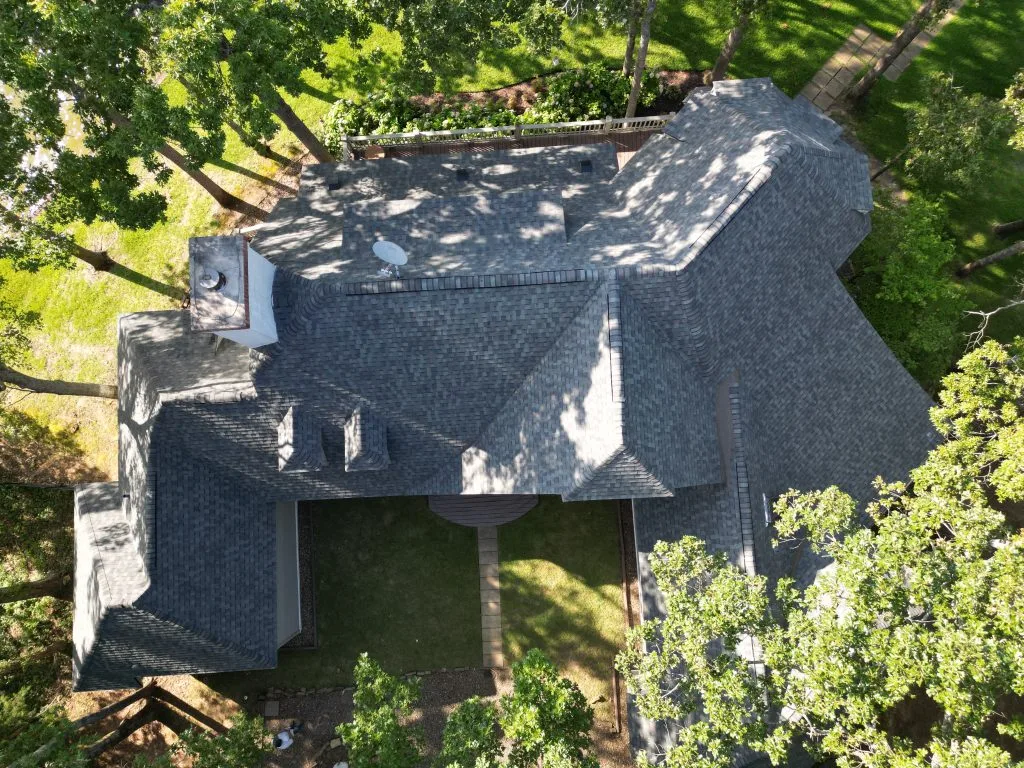
How we work on a Emory home
On the roofs we work on around Emory, the same sequence every time, whether it is a repair or a full replacement.
Nothing in that sequence costs you anything until you agree to the written estimate. The inspection, the photographs and the quote for a Emory property are free either way.
Free inspection
On the roof and in the attic where we can reach it, with a photograph of everything we find along the way. It happens on every Emory job regardless of size.
You see the pictures
You see the pictures before any number is mentioned. Where the roof is sound, that is what the report says. The same sequence runs at every Emory address.
Written estimate
Split by material and labor so you can weigh the parts rather than react to one figure at the bottom. It happens on every Emory job regardless of size.
The work
Drive and planting covered, materials staged, and most Emory houses finished between morning and evening. Standard on all our Rains County work.
Walkthrough
Nails swept with a magnet, debris gone, and the finished roof looked at together before we drive away. It applies whether the Emory job takes an hour or a full day.
Six things worth checking on a Emory home
For anything we take on in Emory, most of these can be spotted without getting on a roof. A slow walk around the house twice a year catches the majority of what we end up repairing.
None of these is an emergency on its own. Together they are usually the difference between a repair this season and a replacement two seasons from now, which is a large enough gap to be worth an hour of somebody’s time.
Granules in the gutters
The first measurable sign of a shingle roof aging. Worth noting how much, and whether it increases season to season. We see this regularly at Emory addresses, particularly after a wind event.
Dark streaks or moss
Common on north-facing slopes around Emory. Mostly cosmetic, but it holds moisture against the shingle, which is not. A regular finding across Rains County, and rarely urgent on the day.
Gutters pulling away or overflowing
Water that does not leave the roof properly ends up against the fascia and eventually the foundation. Worth a look from the ground at any Emory address after a storm.
A hot upstairs in summer
Often a ventilation problem rather than an insulation one, and ventilation is what shortens shingle life from underneath. Common enough on Emory roofs that we check for it on every inspection.
Any ceiling stain, however small
Small stains are the mild version of the same problem. Finding the entry point early is what keeps it a repair. This is one of the more frequent findings on a Rains County roof.
Flashing you can see daylight behind
Where the roof meets a wall or chimney, any visible gap is a leak waiting for wind-driven rain. Common enough on Emory roofs that we check for it on every inspection.
What goes on a house in Rains County
Across Rains County, six shingle brands and several metal systems, and we are an Owens Corning Preferred Contractor. Which is right for a house comes down to pitch, exposure and how long you are staying.
We will quote more than one option for a Emory property so the difference is a decision you make rather than an assumption we made for you. Seeing two numbers side by side is usually more useful than hearing one explained.
Worth reading elsewhere: the National Roofing Contractors Association has plain homeowner guidance on attic ventilation, and the Texas Department of Insurance covers what a Texas policy treats as storm damage.
Impact-rated shingle
Class 4 products under UL 2218 handle hail better. Many Texas carriers offer a premium credit, though it varies by carrier and is worth confirming with yours. It is a common choice across Rains County and we stock for it.
Standing seam metal
Concealed fasteners, long service life and nothing exposed for hail to work loose. More money up front and considerably longer lived. A sensible option for many Rains County roofs, though not all of them.
Ridge and soffit ventilation
Balanced intake and exhaust, sized to the attic rather than fitted by habit. It is the simplest item on this list and the one that most affects how long the roof lasts. Suited to a good number of the buildings around Emory.
Ice and water membrane
Self-adhering membrane in the valleys and around every penetration. It is the layer doing the most work during a hard Rains County downpour. Suited to a good number of the buildings around Emory.
What residential roofing costs in Emory
For anything we take on in Emory, asphalt replacement in this region generally runs $6,000 to $14,000 including tear-off and metal from roughly $12,000 up. Repairs are far less and are priced on the work itself.
Every estimate we write for residential roofing in Emory is set outd by material and labor, so you can see what each part of the job costs rather than a single lump sum with nothing behind it. That also makes it straightforward to compare against anything else you have been quoted.
What you put on it
The material range is wide, and so is the price range. We quote at least two so the difference is visible. It is one of the first things we establish at a Emory address.
What is underneath
Decking condition is unknown until tear-off. Priced per sheet up front so it can never become an argument later. You will see this reflected on a Emory estimate.
Doing several jobs at once
Gutters, ventilation and chimney work all cost less done while we are already there with the access set up than as separate visits later. This is established during the free inspection at your Emory address.
Repair first, when a repair will do
A good share of the homes we inspect around Emory do not need a new roof yet, and we say so. It is a shorter invoice and it is how a roofer stays in one county for a decade. If a repair is the answer, see roof repairs.
“WOW! DJJ Roofing was here at the crack of dawn and before sunset our house had a brand new beautiful roof. The young men on Eliceo’s crew worked tirelessly and professionally under his watchful eye. We were very impressed. Good company, good management, and great price.”
 Verified on Google
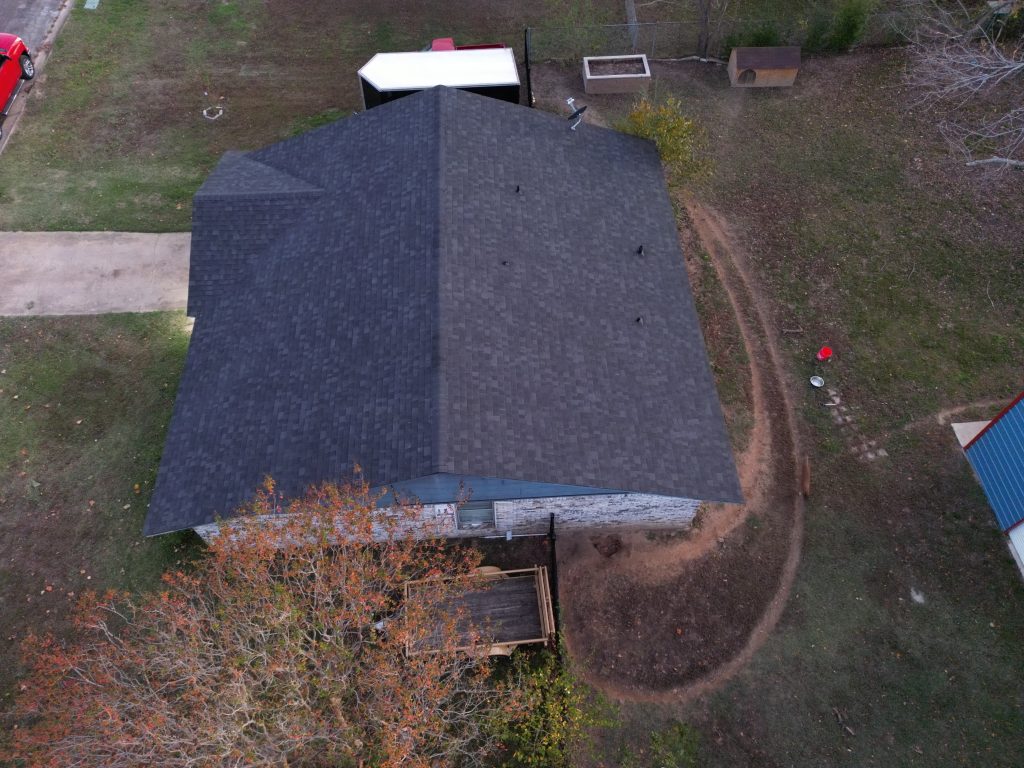
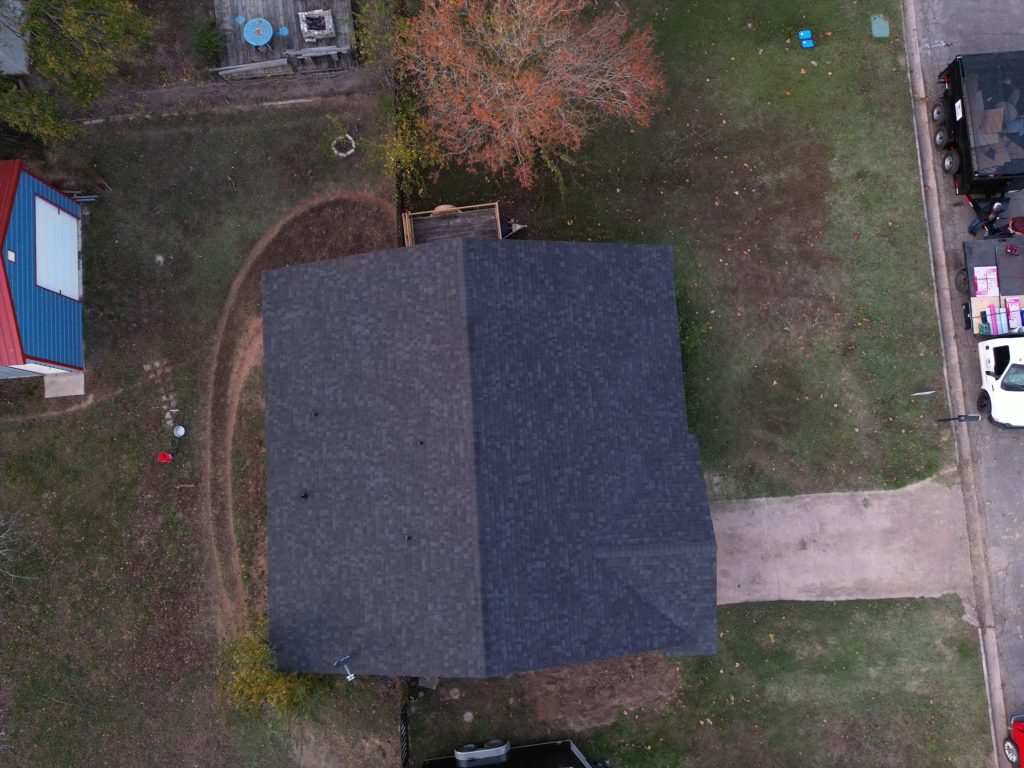
Roofs we have finished around Northeast Texas
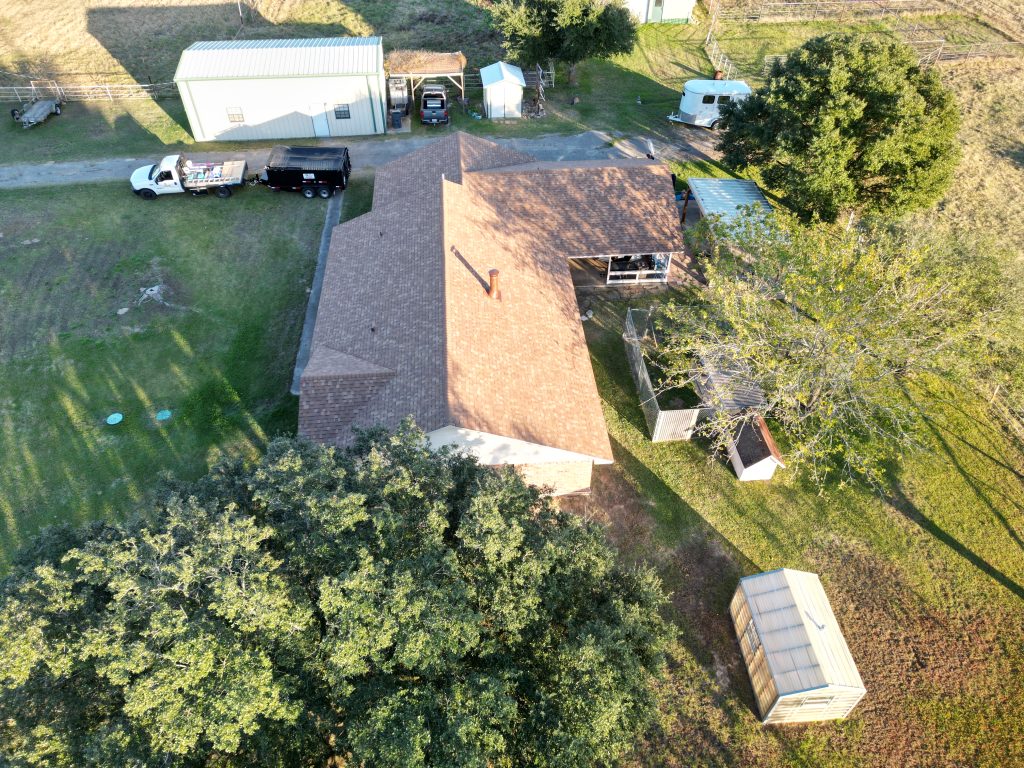
Why Emory property owners call us
Four things worth checking about whoever ends up on your Emory roof. We hold all four and we are happy to evidence every one of them before you agree to anything.
Every one of those is verifiable before you commit to anything. Ask us for the certificate of insurance, read the reviews at the source rather than the ones we chose to reprint, and keep the written estimate somewhere safe once you have it.
Somebody local answers
Eliceo and Daniel handle the calls themselves. There is no call center between you and the people doing the work on your Emory roof. It applies to every property we touch in Rains County.
Scheduling in days
Emory is forty minutes from the shop and sits on the route we take toward Canton, so we are through there regularly. Most weeks we can have somebody at a Emory address within a few days, and an active leak moves to the front of the queue. No exceptions, on any Emory address.
A warranty that means something
Ten years on our workmanship, in writing, on top of whatever the manufacturer covers on the material itself. Two different things covering two different failures. The same on a Emory repair as on a full replacement.
4.9 across 76 reviews
Published on Google and Facebook, unfiltered, and a good share of them from Rains County. You can read every one of them at the source. That is how we have worked around Emory from the start.
Towns near Emory
These are the towns we are usually working in the same week as Emory. If your address is closer to one of them, start there instead: the pages carry the roof stock and storm history specific to each.
Other roofing work in Emory
The other jobs we handle at Emory addresses. If what you need is not residential roofing, it is almost certainly on this list, and each one has a page of its own.
We keep a page per job per town rather than one page for everything because the honest answers differ. Roof age, pitch, material and exposure all change what the right work is at a Emory address, and a page written for the whole region cannot say anything useful about any of them.
Questions we get about residential roofing in Emory
Age, how widespread the damage is, and what the decking is doing. Localized damage on a roof with years left is a repair. Damage on every slope of a roof near the end of its life is not. The inspection photographs make that call visible rather than theoretical.
Decking condition is the third factor and the one nobody can assess from the outside. If the deck is sound, a repair keeps its value. If it is not, money spent on the surface is money spent on the wrong layer. The honest answer for any particular Emory property depends on what is actually up there, which is what the free inspection establishes.
Yes, and it is worth doing before you commit. A free inspection tells you what condition the roof is actually in and roughly how many years are left, which is a real number in a negotiation. You get the photographs and the written report whether or not the sale goes ahead. For a Emory address we would rather look at the roof than answer it in general terms, and looking costs nothing.
They cover different failures. The manufacturer warranty covers the shingle itself being defective. Our ten-year workmanship warranty covers the installation being wrong. Most problems in the first decade of a roof are installation rather than product, which is why the workmanship side is the one worth reading carefully. We are happy to go through this in more detail for a Emory roof, either on the phone or when we are out there.
Yes, seamless gutters formed on site so there are no joints along the run. Water has to leave the roof and get away from the house, and drainage that does not work properly shortens the life of both the roof edge and the foundation. The honest answer for any particular Emory property depends on what is actually up there, which is what the free inspection establishes.
Panels have to come off and go back on, and that is specialist work we coordinate rather than carry out ourselves. It is worth raising early because it affects both the timeline and the price, and it is much less expensive to plan for than to discover on the morning. For a Emory address we would rather look at the roof than answer it in general terms, and looking costs nothing.
Book a free Emory roof inspection
A few details is all we need to get a free inspection booked at your Emory address. We will walk the roof, photograph what we find and put a price in writing, and none of that costs you anything.
Get Your Free Quote
Enter your details below and we will get back to you with a real number.
Free inspection, written estimate, no pressure.
We will walk the roof, photograph what we find and put a price in writing. What you do with it afterwards is entirely up to you, and the inspection costs nothing either way. If the roof turns out to have years left in it, that is what the report will say and there will be no invoice attached.
Ask us about residential roofing in Emory and we will tell you plainly what the roof needs.