Roof inspections: an hour on your roof, and a written report you keep.
Free roof inspections across Northeast Texas: thorough, photographed, and with no obligation, including the times the honest answer is that your roof is fine and you should spend the money elsewhere this year.
Roof inspections in plain terms
Roof inspections are the smallest job in this trade and the most useful. What we do takes closer to an hour on a typical house, follows the same sequence every time, and ends with a written document and a set of photographs that are yours regardless of what you decide.
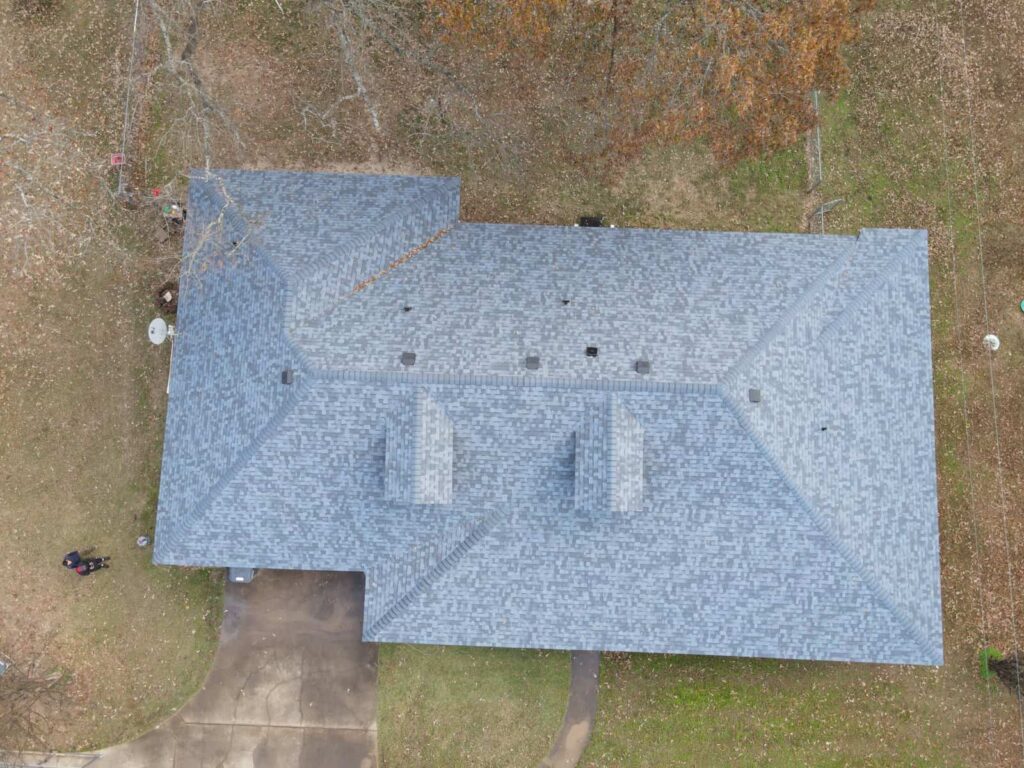
The sequence our roof inspections follow matters, because it is what stops things being missed when the day runs long or the weather turns. Ground level first, then the roof surface, then every interruption in that surface, then the attic. Each stage gets photographed whether or not there is a problem, because an image of something that was fine this year is precisely what tells you it has changed next year.
The reason we give roof inspections away is straightforward. In a county this size most of our work comes from people telling their neighbors, and a free inspection that ends with us saying the roof has eight good years left is not a wasted visit. It is the reason that homeowner calls us in year eight, and it is why the report says what we actually found.
It is worth being clear about what an inspection cannot tell you, because honesty about limits is part of doing this properly. We cannot see under the shingles without lifting them, so the condition of the decking across the whole roof is an inference from what shows in the attic and at the edges rather than a certainty. That is why a replacement estimate carries a range instead of a promise.
We also cannot predict hail, and we cannot tell you what an insurance adjuster will decide. What we can tell you is what is on your roof today and what it looks like in photographs, which is the part that turns out to matter most when a question comes up later.
Roof inspections are worth booking at three moments in particular: after any significant storm, when you are buying or selling a house, and once every couple of years on a roof past ten. The first two are obvious. The third is the one that saves money, because almost every expensive roof problem started as an inexpensive one that nobody looked for.
Everything below is part of our roof inspections
Perimeter And Ground Assessment
Elevations photographed, gutters and downspouts checked for granule accumulation, fascia and soffit examined for staining or blocked intake.
Full Roof Surface
Granule loss, cupping, cracking, brittleness, exposed fasteners, and any evidence of previous repair work.
Every Penetration And Detail
Valleys, chimneys, sidewalls, skylights, plumbing stacks, bath and kitchen vents, and HVAC, all photographed individually.
Attic Inspection
Daylight through the deck, damp or stained sheathing, wet or compressed insulation, and whether the soffit intake is genuinely open.
Ventilation Assessment
Intake and exhaust identified and checked against each other, because unbalanced airflow is what ages roofs early here.
Written Report And Photographs
What we saw, what we would do, what it costs, and the honest recommendation, including “nothing yet” when that is the answer.
Start to finish, in order
Book It
Phone or the form. Tell us if there is anything specific you have noticed and roughly when it happens.
Ground And Perimeter
We walk the property first, photographing elevations and checking the gutter line before going up.
On The Roof
Field condition, then every interruption in the surface, in a fixed order so nothing gets skipped.
In The Attic
Where roofs tell the truth. Deck condition, staining, insulation and airflow, photographed from underneath.
Written Report
Usually same or next day. Findings, photographs, recommendation, and pricing for anything worth doing.
Four things we do on every single job
Photographs, Not Opinions
Every problem area is photographed and shown to you before anybody quotes a price. You keep the images whatever you decide.
In Writing
The estimate names the products going on your roof, so you can compare it against anybody else’s.
Cleaned Up Daily
Beds and shrubs covered before work starts, and a magnet over the yard and driveway at the end of every working day.
A Local Phone Number
Our shop is on Como St S in Sulphur Springs. The company that fits your roof is the one you call in year four.
“Highly recommend DJJ Roofing LLC! They were professional, timely, and did an excellent job on our roof. The quality of work and customer service were top-notch. Will definitely use them again for any future roofing needs!”

What we are actually looking at, in order
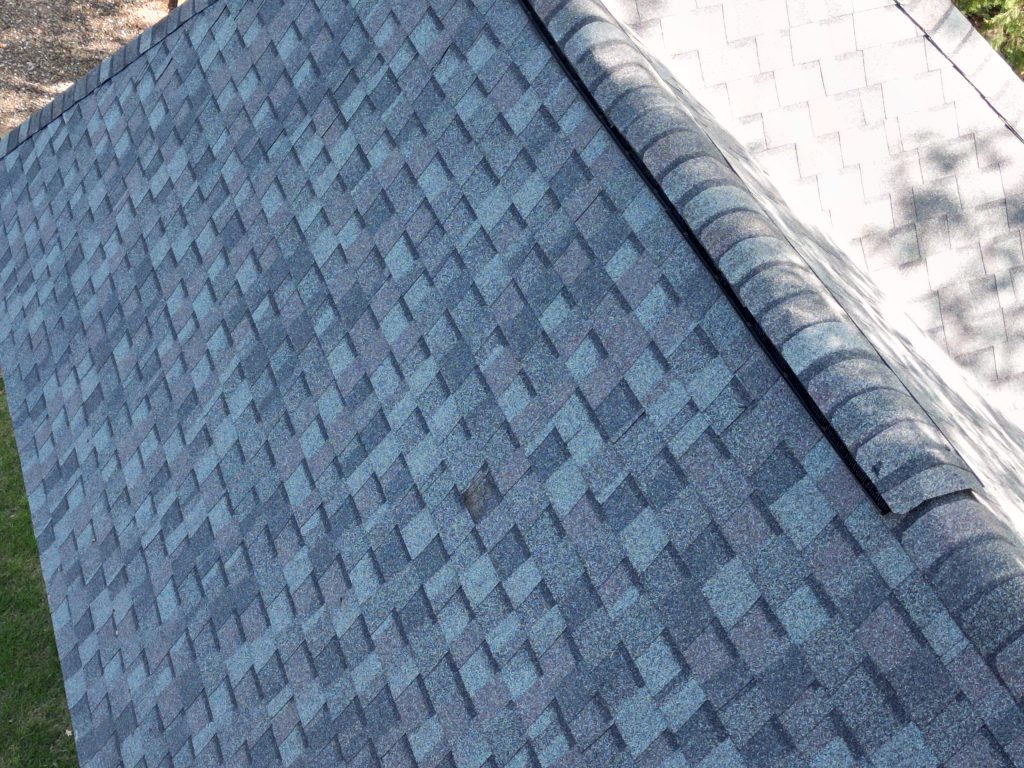
Roof inspections start on the field of the roof, where the questions are about age and wear. Are the granules holding, or collecting in the gutters? Do the shingles flex under a boot, or crack? Is there cupping at the corners, particularly on south and west slopes where the sun does the most work? Are there exposed fasteners, or evidence that somebody has already been up here with a tube of sealant? None of those alone decides anything. Together they tell you where the roof is in its life.
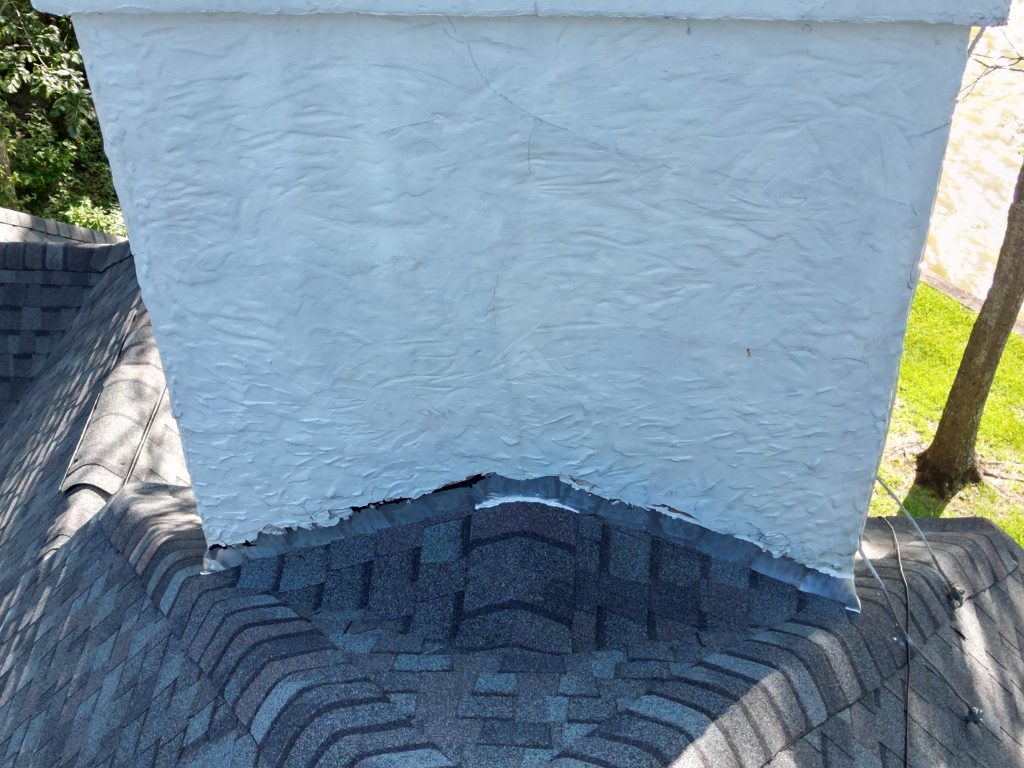
At the interruptions, the questions are about water. A roof in the middle of a slope is doing the easy part of its job. Nearly every leak we ever find is where the roof meets something else, or where something passes through it: chimney counterflashing that was never let into the masonry properly, sidewall intersections on added-on rear sections, valleys where the metal was cut short, and plumbing vent boots whose rubber collars have perished in the sun. Those get looked at individually, every time.
In the attic, the questions are about what has already happened. Water leaves a record on the underside of a deck long before it produces a ceiling stain, and so does heat: darkened sheathing, rusted nail points, compressed insulation, and rafters with staining that stops at a particular line. This is also where a ventilation problem becomes obvious, because you can see whether air is actually moving from the soffit or whether the intake was closed up years ago. The National Roofing Contractors Association sets out the intake and exhaust balance a roof assembly is designed around.
When to book roof inspections
Any one of these is worth a free look, and the report and the photographs are yours whatever you decide to do afterwards.
After any hailstorm or high wind event, even if nothing looks wrong from the ground.
Before buying a house, and before listing one. A documented roof is worth real money at closing.
Every couple of years once the roof is past ten, which is when small problems become findable.
When a ceiling stain appears, whether or not it is still growing.
When roofs on your street are being replaced, because hail falls unevenly and age clusters by street.
When you have a manufacturer warranty and want to confirm the roof still meets its conditions.
The kinds of roof inspections we do
Four, and they are genuinely different pieces of work. Tell us which situation you are in when you book and we will send the right one.
General Condition Inspection
The standard one of our roof inspections. Full roof, penetrations, attic, ventilation, and a written report with photographs and a recommendation.
Post-Storm Roof Inspections
Focused on impact and wind damage, photographed and documented as contractor-observed damage in a form an adjuster can work from.
Pre-Purchase Or Pre-Sale
A documented assessment of remaining service life, useful in negotiation and considerably less expensive than discovering it later.
Maintenance Roof Inspections
For roofs under warranty or on a maintenance interval, checking details, drainage and fastener condition before anything fails.
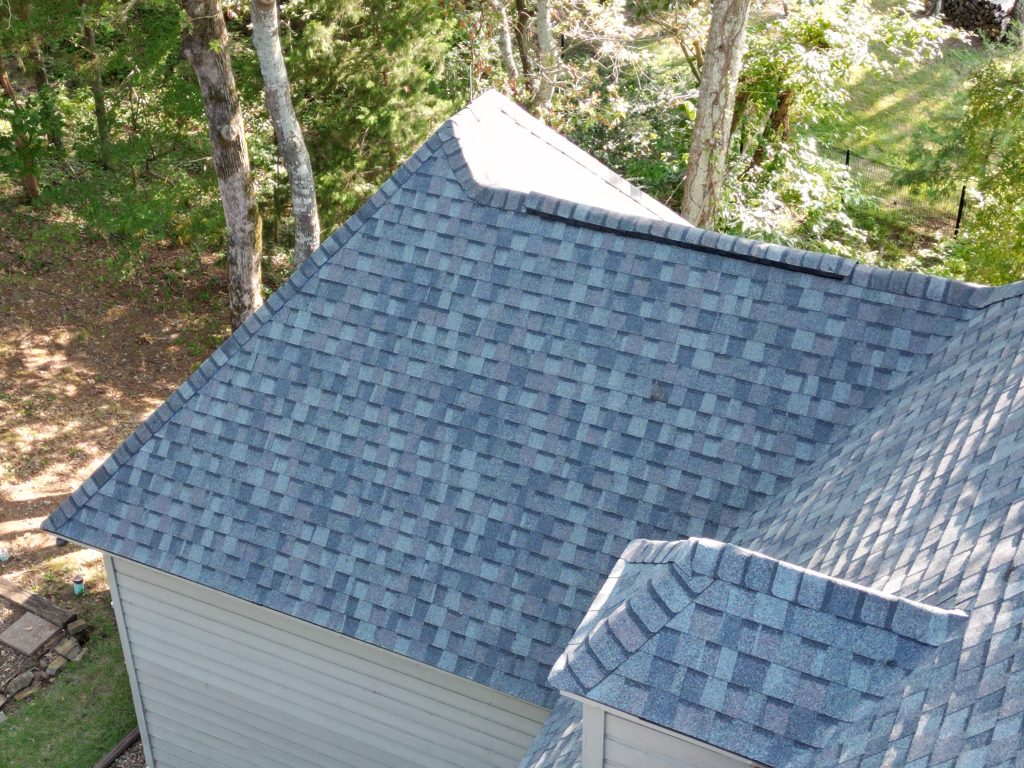
Somebody actually on the roof rather than assessing from the ground, the attic included, an image attached to every finding, and a written report alongside any price. Those four are what make a report useful to you later, and they are reasonable things to expect of anybody, including us.
What you get afterwards, and why the photographs matter
The report names what we found, where, and what we would do about it, with photographs attached to each finding and pricing for anything worth doing now. If the recommendation is to do nothing for a few years, the report says that in writing too. You keep all of it whether or not you use us, and you are welcome to hand it to another contractor for a second opinion. That is a reasonable thing for a homeowner to do.
The photographs do a specific job beyond the immediate decision. They establish the condition of your roof on a particular date, which is what makes any future comparison meaningful. If a storm comes through in eighteen months, having a documented before is the difference between demonstrating what changed and describing it from memory. That is worth more than most homeowners realize until they need it.
They also mean nothing rests on trust or on jargon. Every claim we make about your roof comes with an image attached, so if we say the vent boot is cracked, there is a picture of the cracked vent boot. That discipline is the entire reason we photograph the things that are fine as well as the things that are not.
Buying, selling, and insurance: where a report earns its keep
There is a situation people rarely think of, which is the roof you inherited when you bought the house. If you moved in five years ago and were told the roof was recent, you have somebody else’s account of a roof you have never seen, with no photographs, no product record, and no idea whether the manufacturer warranty was ever registered or whether it transferred. An inspection turns that into documented fact, and if there is coverage still in force it is considerably easier to establish now than after a problem.
In a purchase, the roof is one of the few items where a general home inspection is genuinely thin. Most home inspectors look from a ladder at the edge, or from the ground with binoculars, and they say so in their own reports. A roof-specific inspection gives you remaining service life rather than a note that shingles were observed, and that number is what turns into either a negotiated credit or a decision to walk. It costs nothing to find out.
On the selling side, a documented roof removes an unknown from the transaction. Buyers price uncertainty into their offers, and a roof replaced four years ago with photographs, a workmanship warranty and a transfer is a materially stronger position than a roof that is fine as far as anybody knows. If the roof is older but sound, a current inspection report does much the same job.
For insurance, the useful thing to be clear about is the boundary. We are roofers, not adjusters. What we do is record what can be observed from the roof, photograph it, and write it up as factual scope information in a form your carrier can work from. Whether something is covered, and for how much, is your insurer’s decision and never ours. The Texas Department of Insurance publishes plain-language guidance on how that process works.
Straight answers, free of charge
The inspection, the photographs and the written estimate cost nothing and commit you to nothing. If the honest answer is that the work can wait, that is what the estimate will say.
Why roof inspections are free, and what that does not mean
Our roof inspections cost nothing. If one turns up a problem, most repairs run about $300 to $1,500, larger ones involving decking or several areas about $1,500 to $5,000 or more, and a full asphalt replacement on an average single-story home typically $6,000 to $14,000. These are typical Northeast Texas ranges, not a quote: the price for your roof is set after a free on-site inspection and a written estimate.
Roof Inspections Cost Nothing
No charge, no obligation, and no fee recovered later inside a quote. That applies whether the answer is a replacement or nothing at all.
The Report Is Yours
Findings and photographs stay with you regardless of what you decide, or who you eventually hire.
No Pressure At The End
You get the document and the price. If you want to think about it for two months, that is a completely normal thing to do.
We Will Say "Not Yet"
If the roof has years left, the report says so. That is the whole reason this business gets referrals.
Storm Calls Get Priority
Active leaks and fresh storm damage go to the front of the queue, because both get worse while they wait.
Second Opinions Welcome
Take our report to another contractor if you want to. A roof is a large purchase and comparing is sensible.
Four things a thorough inspection always includes
Somebody On The Roof
Half the useful information is at the details and in the attic, and neither can be assessed from the ground or the top of a ladder.
A Photograph With Every Finding
An image attached to each claim means nothing rests on taking a stranger’s word about something you cannot see.
A Written Report, Not Just A Price
Findings on paper tell you what your roof needs. A number on its own does not.
Room For The Answer To Be "Nothing"
Sometimes the answer is a vent boot, and sometimes it is that the roof has years left. Both are legitimate outcomes.
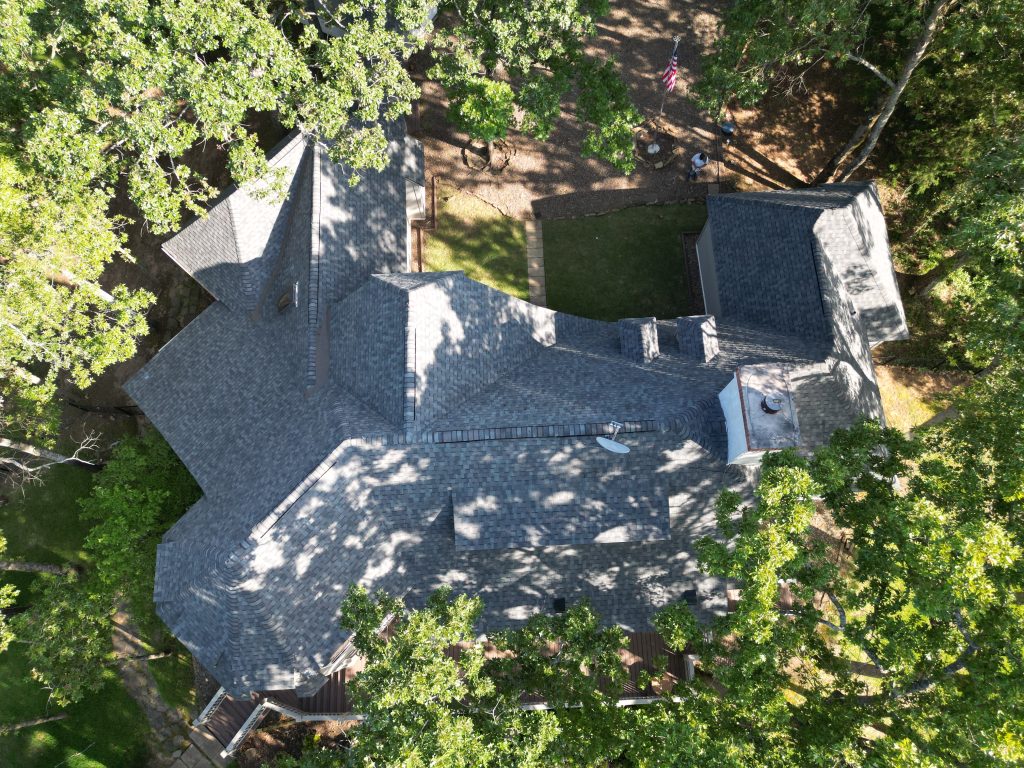
Roof inspections around Sulphur Springs
One thing worth knowing about this region specifically: hail here frequently does not leak. It bruises the mat, fractures granules, and takes years off the roof without producing a single drop of water inside the house. Homeowners reasonably conclude nothing happened, and then find out four years later that a roof they expected another decade from is finished. That gap between damage and symptom is the strongest practical argument for a documented look after any storm that put hail on the ground.
Spring is the busy season for roof inspections for that reason. Hail falls unevenly, so one side of a town can be badly hit while the other is untouched, which is exactly why a free look after a storm is worth having even when nothing is visibly wrong inside the house. The impact side of it is covered in more detail on our hail damage page.
Being an hour from most of the towns we serve means an inspection is usually a matter of days rather than weeks, and it means we can come back and look again if something is ambiguous. It also means the report has a local address on it, which matters if a question about your roof comes up three years from now.
The other local pattern is age clustering. Whole streets in the subdivisions here were built in the same couple of years with the same materials, so they wear out together. When several houses on a street get re-roofed in one season, the rest are usually not far behind, and an inspection is how you find out where yours actually sits rather than guessing from the neighbors.
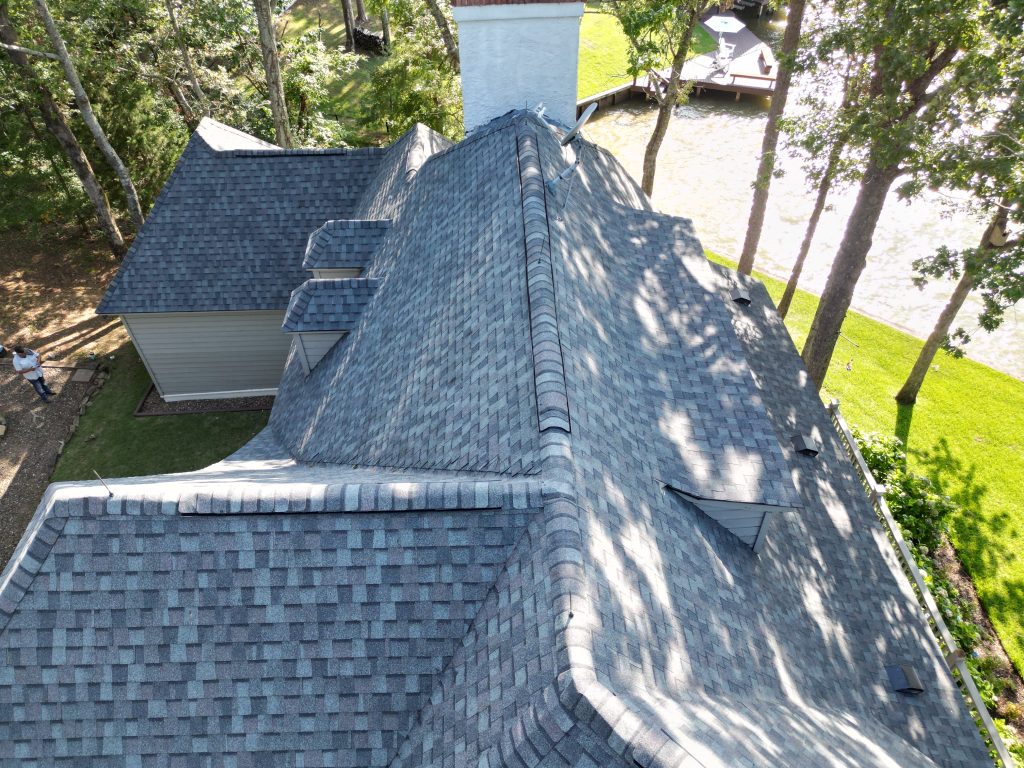
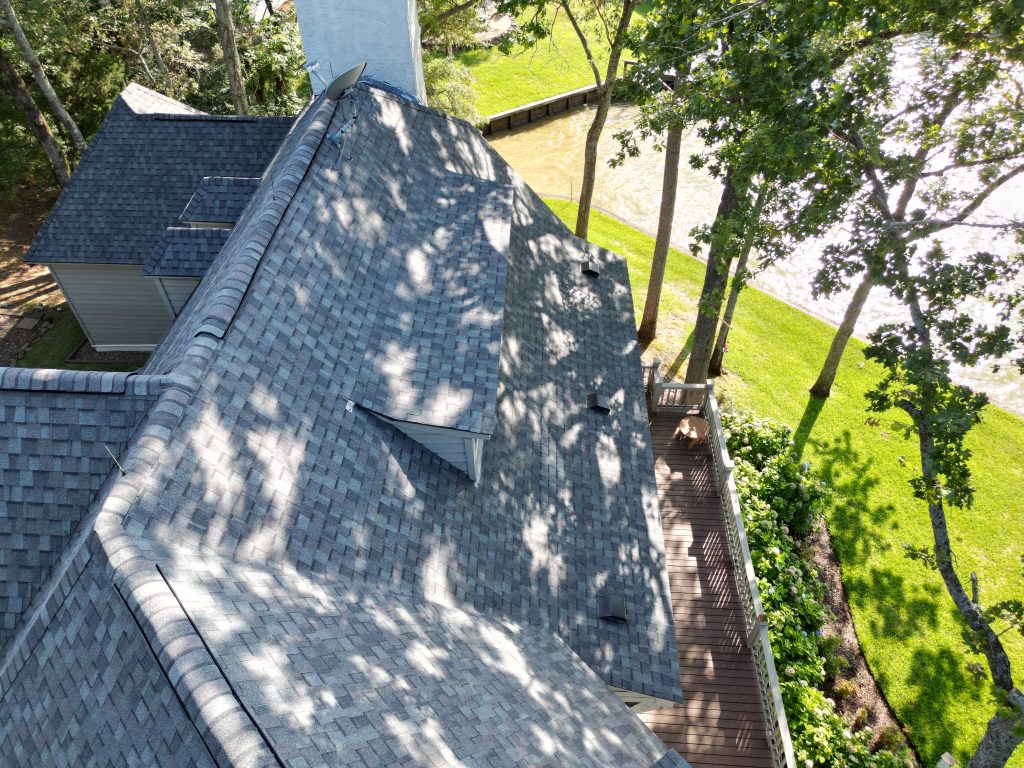
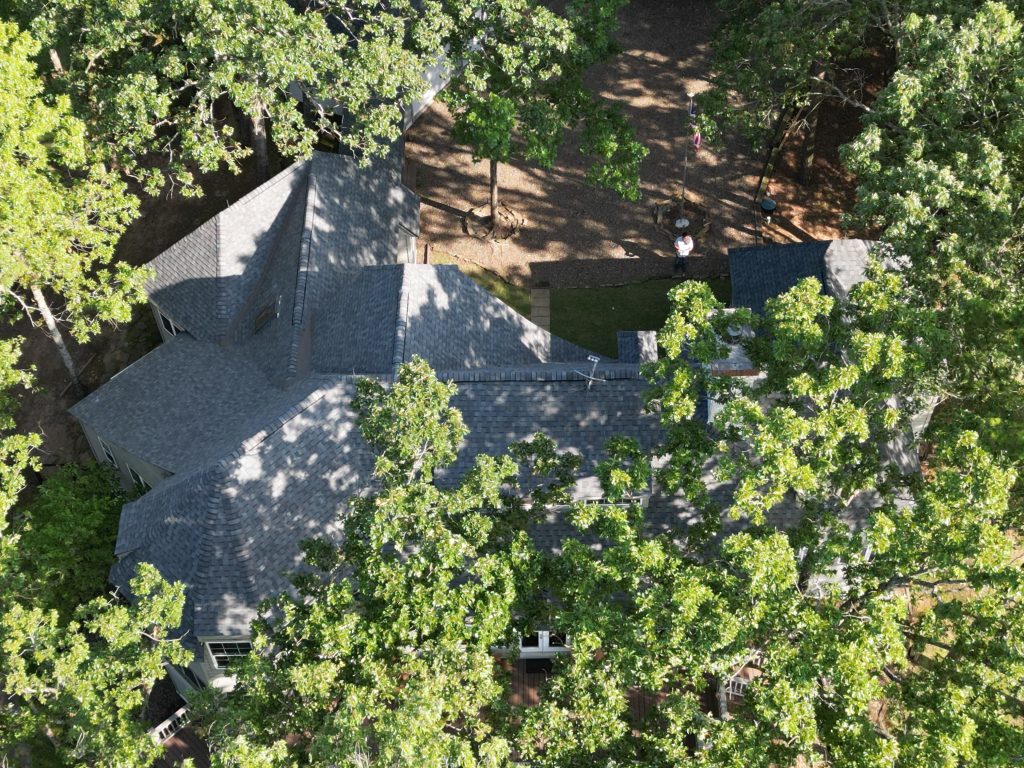
Questions about roof inspections
Yes. No charge, no obligation, and the report and photographs are yours whether you hire us or not. We do not recover the cost inside a later quote, and we are perfectly happy for you to take our findings to another contractor for comparison.
About an hour on a typical house, sometimes longer on a complex roof or where the attic is difficult to get into. The written report usually follows the same day or the next. A visit much shorter than that has not covered the details and the attic, which is where most of the useful information is.
We would much rather. Water leaves a record on the underside of the deck long before it shows on a ceiling, and ventilation problems are only really visible from underneath. If the attic is inaccessible we will say so in the report, so you know which part of the picture is missing.
Yes, in writing. It happens often, and a dated report saying the roof was sound is a genuinely useful document to own. In a county this size our work comes from referrals, so being right about a roof matters more to us than selling one.
It is one of the best-value things you can do. A general home inspection typically assesses the roof from a ladder at the edge or from the ground, and says so in its own report. A roof-specific inspection gives you remaining service life, which is what turns into a negotiated credit or an informed decision.
Other services
Flashing failures, lifted shingles and wind damage put right before water gets in.
Five and six inch seamless aluminum, fabricated on site to fit your roofline.
Let’s get somebody up there to look.
Fill out the form or pick up the phone. Either way you get straight answers about your roof and a written estimate you can keep.