Metal roofing: a roof you fit once and stop thinking about.
Metal roofing for houses, shops and barns across Northeast Texas: standing seam and exposed-fastener systems, the longest-lived roofs we install. Free inspection, photographs of whatever we find, and a written estimate you keep either way.

Metal roofing in plain terms
Metal has gone from being the roof on the barn to being a mainstream residential choice, and in this part of Texas the reasons are practical. It lasts two to three times as long as asphalt shingle. It reflects a significant share of solar load instead of absorbing it. And it does not degrade in heat the way an asphalt mat does, which in a climate with summers like ours is the difference that shows up over decades.

The trade-off is cost up front. Metal roofing costs materially more than shingle to install, and the honest way to think about it is cost per year rather than cost per square. A shingle roof at twenty years and a metal roof at fifty are not the same purchase, and if you intend to stay in the house the arithmetic frequently favors metal. Only if you are actually going to be there, though, which is a question we would rather ask than assume.
The most important distinction inside metal roofing is between standing seam and exposed-fastener systems. Standing seam hides its fasteners under raised, mechanically joined seams, so there are no penetrations through the weather surface at all. Exposed-fastener panel, meaning PBR, PBU and corrugated, is screwed through the panel face, which is less expensive and faster and means the washers under those screws become a maintenance item in fifteen or twenty years.
That distinction matters for hail, and it is worth being precise rather than promotional. Metal does not dent-proof a building. What standing seam does is keep hail damage cosmetic in most storms, because there are no fasteners through the surface for water to follow. On exposed-fastener panel, a hard hail season is worth a look afterwards, because screws and washers can back out and each one is a potential leak path.
One more thing worth saying plainly, because it is where most disappointment comes from. “Metal roof” is not a specification, it is a category. Two quotes using that phrase can describe products with a fifteen-year difference in how long they look good, because gauge, coating system, profile and fastening method all vary enormously and none of them is visible on the day the roof is finished. When comparing metal roofing quotes, compare those four things rather than the totals. We put all four in ours by name, which makes a comparison possible rather than a guess.
Installation quality matters more on metal than it does on shingle, which surprises people. A shingle roof is forgiving: the material overlaps itself and small errors are absorbed. Metal is a fitted system, and the trim, closures, clip spacing and allowance for thermal movement are the roof. Get those right and you stop thinking about it for decades. Get them wrong and the panels themselves will still be perfectly good while the roof leaks.
Everything below is in the metal roofing price we quote you
Free Inspection
On the roof and in the attic with photographs, plus an honest conversation about whether metal is the right call for your situation.
System Specified By Name
Profile, gauge, coating, panel width and fastening method stated in the estimate rather than left as “metal roof”.
Correct Underlayment
Synthetic or self-adhered underlayment appropriate to the system, plus self-adhered membrane where the details require it.
Detail Trim And Closures
Ridge, hip, eave, rake, valley and wall flashings in matching material, with foam or metal closures where the profile needs them.
Fastening To Spec
Clips and spacing for standing seam, or the correct screw pattern and washer type for exposed-fastener systems.
Ventilation Addressed
Ridge ventilation integrated into the metal system rather than bolted on, so intake and exhaust actually balance.
Start to finish, in order
Free Inspection
On the roof and in the attic with a camera, plus a straight conversation about whether metal is right for how long you plan to stay.
System Walkthrough
Standing seam or exposed-fastener, with gauge, coating and profile explained and the price difference stated plainly.
Color And Sample
Panel samples held against your brick, stone and trim in daylight, because a printed chart and a real roof are different things.
Fabrication And Install
Panels cut to length, underlayment and closures fitted, then panels set and seamed or fastened to specification.
Walkthrough And Paperwork
We walk the finished roof with you, hand over photographs, and complete the warranty documentation.
Four things we do on every single job
Photographs, Not Opinions
Every problem area is photographed and shown to you before anybody quotes a price. You keep the images whatever you decide.
In Writing
The estimate names the products going on your roof, so you can compare it against anybody else’s.
Cleaned Up Daily
Beds and shrubs covered before work starts, and a magnet over the yard and driveway at the end of every working day.
A Local Phone Number
Our shop is on Como St S in Sulphur Springs. The company that fits your roof is the one you call in year four.
“Great experience with DJJ Roofing — could not have gone better. Eliseo and his crew set the gold standard for professionalism. Within just one hour of my request, they had a drone in the air and a full estimate with photos in my inbox. The pricing was very reasonable, the work was finished exactly on time and to a high standard.”

Standing seam or exposed fastener
Standing seam joins its panels along raised vertical seams, with the clips that hold the roof down concealed underneath them. Nothing penetrates the weather surface, which is why it is the system we recommend on houses and the one most people want visually. It costs more, it takes longer to fit, and it asks for very little afterwards.
Exposed-fastener panel, covering PBR, PBU and corrugated profiles, is screwed through the face of the panel with a rubber washer under each screw head. It is quicker, less expensive per square, and entirely appropriate on shops, barns and agricultural buildings. The washers are the maintenance item: over fifteen or twenty years some will need attention, and after a hard hail season it is worth having them checked.
Neither is right everywhere, and the choice should follow the building rather than habit. We fit both, which means the recommendation comes from what the roof is for and how long you will own it. The National Roofing Contractors Association publishes the installation guidance both systems follow.
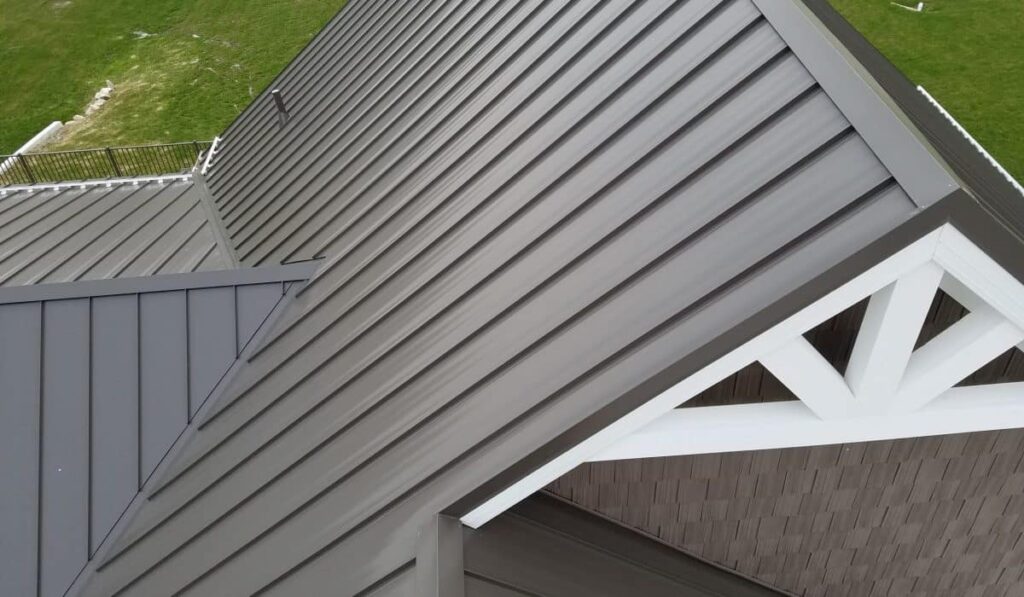
Signs a metal roof needs looking at
Any one of these is worth a free look, and each is a common reason metal roofing work gets scheduled around here. None of them get less expensive by waiting.
Screws standing proud of the panel face, or rubber washers that have hardened and split.
Rust or chalking at panel edges, cut ends, or around fasteners.
Loose or lifted ridge, hip or rake trim after a windy season.
Sealant at a wall or chimney flashing that has cracked and pulled away.
Panels that have oil-canned badly or moved at a seam.
Interior staining below a valley, a penetration or a wall line.
The metal roofing systems we install
Four systems cover almost every metal job we quote around here. The right one depends on the building, the budget and how long you intend to own it.
Standing Seam
Concealed fasteners under mechanically joined seams. The premium residential choice and the one with nothing penetrating the weather surface.
PBR Panel
An exposed-fastener profile with a purlin-bearing rib, widely used on shops and barns and increasingly on houses.
PBU Panel
A similar exposed-fastener profile with a different rib configuration, common on agricultural and light commercial buildings.
Corrugated Panel
The familiar wavy profile. Exposed fastener, economical, and long established on agricultural buildings across this region.

A metal retrofit over a failing low-slope roof is sometimes the economical answer, using a sub-framing system to create fall. It avoids a full tear-off and the disposal that comes with it. Whether your building is a candidate is a survey question, not a phone one.
Gauge and coating decide how it looks in year twenty
Gauge is panel thickness, and a lower number means thicker steel. Twenty-four gauge is heavier than twenty-six, holds its shape better across a long panel run, and resists denting more. On a visible residential roof the difference is worth paying for. On a barn it frequently is not, and we will say which situation you are in.
The coating system matters more than most people expect, because it is what decides whether the roof still looks right in twenty years or has chalked and faded on the south elevation. A premium coating carries a longer finish warranty for a reason. It is also invisible on the day the roof is finished, which is exactly why it gets left out of less expensive quotes.
Panel width and rib height are the third variable, and they change both the look and how the roof handles thermal movement across a long run. All of it goes in our estimate by name, because on metal roofing those specifications are the roof rather than a footnote to it.
Metal against shingle, honestly
Cost is the obvious difference and the one people start with. Metal roofing costs materially more up front. Where it wins is duration: a properly installed standing seam roof is a fifty year proposition against roughly twenty for architectural shingle in this climate, so the cost per year is frequently lower even though the cost per square is higher.
Heat is the second factor and it favors metal clearly. A reflective metal roof sends a large share of the solar load back rather than letting it into the assembly, and it does not degrade in heat the way an asphalt mat does. In a Northeast Texas summer that is not a marginal difference, and it shows up both on cooling bills and in how the roof ages. Reflective coatings are rated and listed by ENERGY STAR, so the performance claim on a panel is something you can look up rather than something you have to take on trust.
Wind is the third, and it is the one people forget until a spring line comes through. A correctly clipped standing seam roof has no fastener heads exposed to uplift and no tabs to lose, which is why the wind ratings on these systems are as high as they are. Shingle relies on its self-seal strip having sealed properly, and on a roof that went on during a cool spell that seal is not always complete.
Where shingle wins is up-front cost, ease of isolated repair, and matching an existing roofline on a house where only one slope is being replaced. If you are selling in three years, shingle is very often the better financial decision, and that is a conversation we would rather have before quoting than after.
Straight answers, free of charge
The inspection, the photographs and the written estimate cost nothing and commit you to nothing. If the honest answer is that the work can wait, that is what the estimate will say.
What actually moves the price on a metal roof
On an average single-story home in Northeast Texas, metal roofing typically runs about $12,000 to $30,000 or more installed. Exposed-fastener panel sits at the lower end, about $12,000 to $18,000 on a house, and standing seam runs about $18,000 to $30,000 and up. These are typical Northeast Texas ranges, not a quote: the price for your roof is set after a free on-site inspection and a written estimate. Prices by home size and material are set out in our roof replacement cost guide.
Standing Seam Or Exposed Fastener
This is the single largest variable in any metal roofing quote. Concealed-fastener systems cost materially more in both material and labor.
Gauge
Twenty-four gauge steel costs more than twenty-six and performs better on a long panel run and under hail.
Coating System
Finish quality decides how the roof looks in year twenty, and premium coatings carry longer finish warranties and higher cost.
Roof Complexity
Valleys, dormers, hips and penetrations each need trim and closures, and metal is far less forgiving of complexity than shingle.
Tear-Off Or Retrofit
Removing an old roof to the deck is different work from a retrofit over sub-framing, and the survey establishes which is appropriate.
Panel Length And Access
Long panels have to be delivered or rolled on site and handled safely, and a difficult site adds real time.
Four ways a metal roof goes wrong
Quoting "Metal Roof" As A Spec
Gauge, coating, profile and fastening method are the roof. A metal roofing quote that names none of them cannot be compared to one that does.
Wrong Fastener Or Pattern
Screws overdriven crush the washer, underdriven leave a gap, and the wrong spacing lets panels move. All three end as leaks.
Ignoring Thermal Movement
Metal expands and contracts across a long run. A system fixed without allowing for it will oil-can, and in time will work at its seams.
Skipping The Closures
Foam or metal closures at ridge and eave keep out wind-driven rain and wildlife. Leaving them out is invisible until the first storm.

What this looks like in Hopkins County and around it
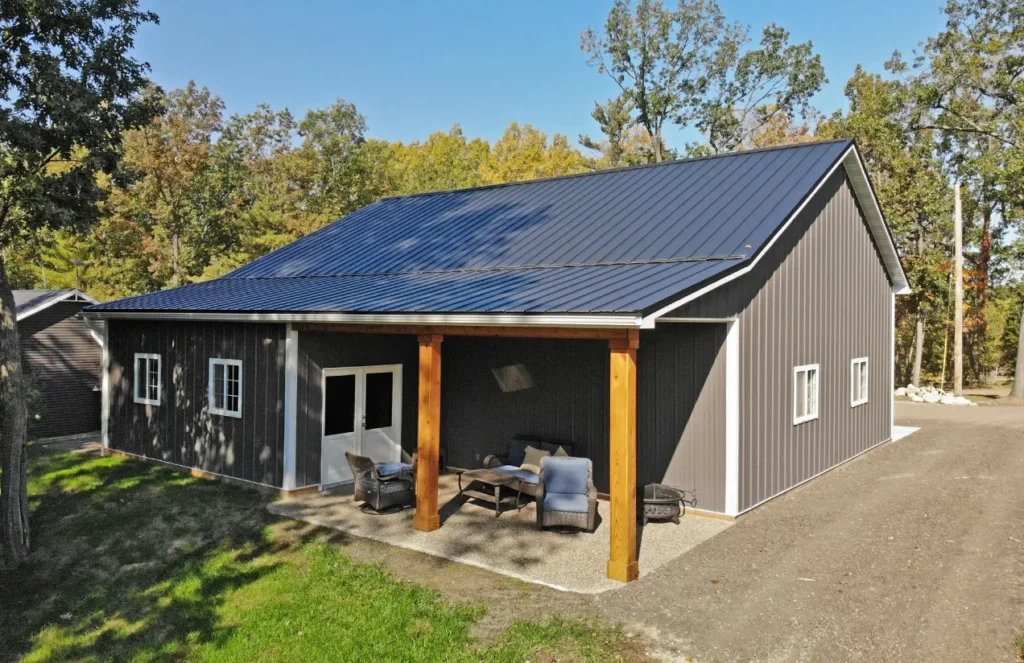
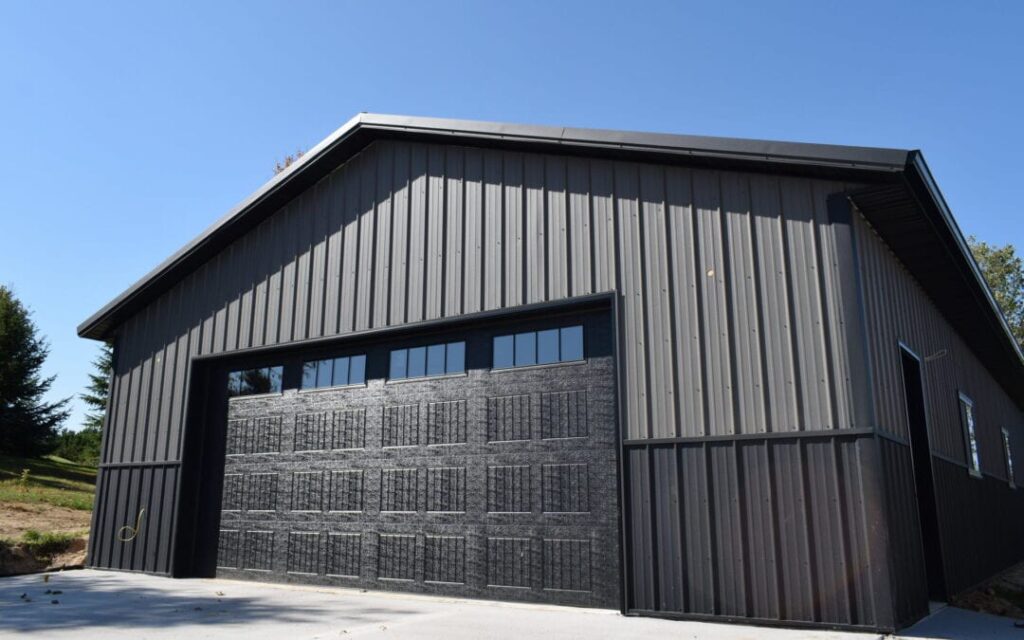
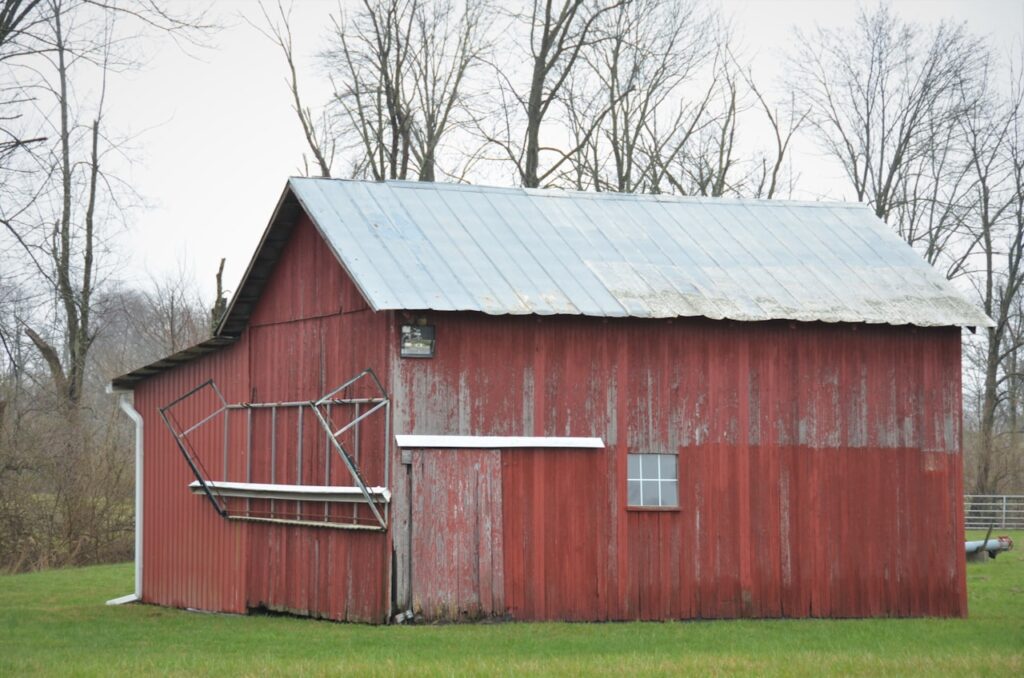
Metal roofing has always been the default on agricultural buildings around here, so a great many barns and shops between Sulphur Springs, Winnsboro and Quitman are on exposed-fastener panel that is now twenty or more years old. Most of those roofs do not need replacing. They need their fasteners gone over, which is a fraction of the cost.
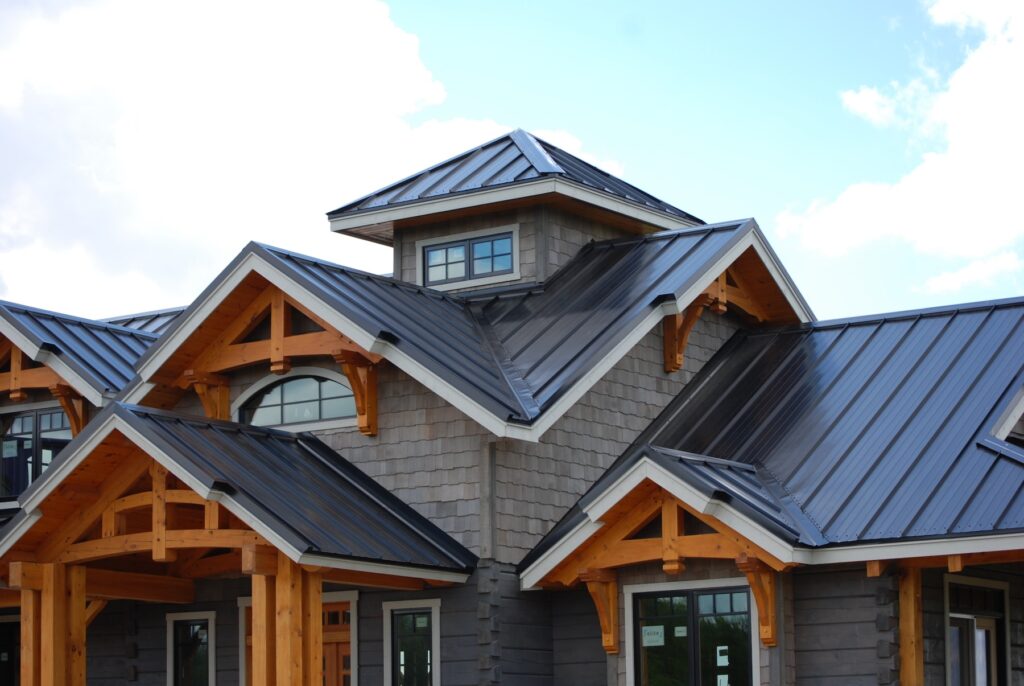
On houses the picture has changed in the last decade. Standing seam has moved from being unusual to being a normal choice on new builds and barndominiums around the lake and out on acreage, where the look suits the building and the long service life suits somebody who intends to stay.
Hail is the local factor that comes up in every conversation. Being an hour from all of it means we can look at a metal roof after a storm within days rather than weeks, tell you honestly whether what you are seeing is cosmetic or a leak path, and put it in writing with photographs either way. On a standing seam roof the answer is usually that the damage is cosmetic. On exposed-fastener panel it is worth checking properly, because a backed-out screw is a small thing that becomes an expensive one over a couple of wet seasons.
The other thing worth saying about metal roofing in this region is that it holds up to what the weather actually does here, which is heat for four months and then something violent in the spring. Both of those are duration problems rather than single-event problems, and duration is what metal is good at. A roof that is still doing its job in year thirty-five has paid for the difference several times over.

Questions about metal roofing
Standing seam is realistically a fifty year roof when it is installed properly, and exposed-fastener panel is commonly thirty to forty with fastener maintenance along the way. The limiting factor is rarely the steel. It is the coating on a low-grade panel, or fasteners that were never checked, or trim details that were skipped.
Not on a house. The noise people remember comes from panel fixed directly to open purlins on a barn with nothing underneath it. On a residential roof there is decking, underlayment and attic insulation between you and the panel, and most homeowners report it is quieter than they expected.
It can dent one, and no roof is hail-proof. What standing seam does is keep the damage cosmetic in most storms, because nothing penetrates the weather surface for water to follow. On exposed-fastener panel a hard hail season is worth an inspection afterwards, since screws and washers can back out and each one is a potential leak path.
Sometimes, using a sub-framing system, and it avoids a tear-off and its disposal cost. Whether your building is a candidate depends on the deck, the existing layers and what code allows, which is a survey question rather than a phone one. Where a tear-off is the right answer we will say so.
On an average single-story home in Northeast Texas, a metal roof typically runs $12,000 to $30,000 or more installed: about $12,000 to $18,000 for exposed-fastener panel and $18,000 to $30,000 and up for standing seam. A good metal roof can last 40 to 70 years, so its cost per year often ends up lower than asphalt. These are typical ranges, not a quote.
Other services
Flashing failures, lifted shingles and wind damage put right before water gets in.
Five and six inch seamless aluminum, fabricated on site to fit your roofline.
Let’s get somebody up there to look.
Fill out the form or pick up the phone. Either way you get straight answers about your roof and a written estimate you can keep.