
DJJ ROOFING
TPO Roofing
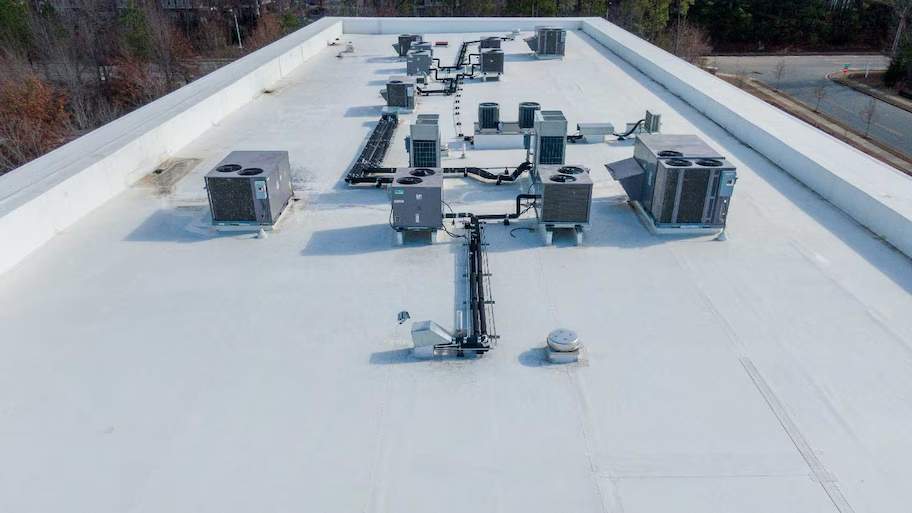
Thermoplastic Olefin (TPO) roofing is a popular single-ply roofing membrane known for its durability and energy efficiency. Developed in the late 20th century, TPO Roofing combines the advantages of rubber and plastic, offering a versatile solution for both residential and commercial properties. The material is prized for its ability to reflect UV rays, thereby reducing cooling costs and providing a greener alternative to traditional roofing options. TPO roofing is resistant to chemicals, punctures, and tears, making it a reliable choice for various climates and conditions.
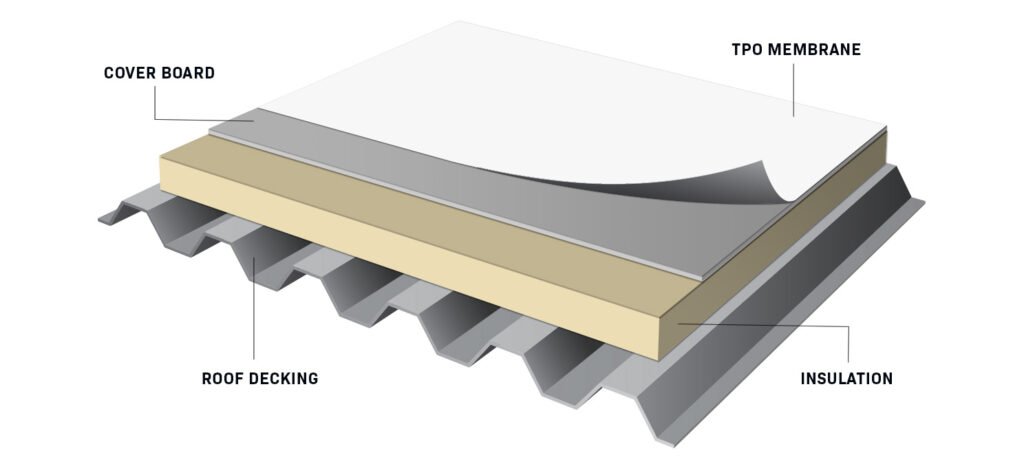
TPO Roofing
TPO roofing offers numerous benefits, making it a preferred choice for many building owners. Its energy efficiency is a major advantage, as the reflective surface reduces heat absorption, leading to lower energy bills. The material’s durability ensures it can withstand extreme weather conditions, including high winds and hail, without significant damage. Additionally, TPO is environmentally friendly, as it is 100% recyclable and free from harmful chemicals. Cost-effectiveness is another key benefit, with TPO generally being more affordable than other roofing materials while still providing a high level of performance.
TPO Roofing
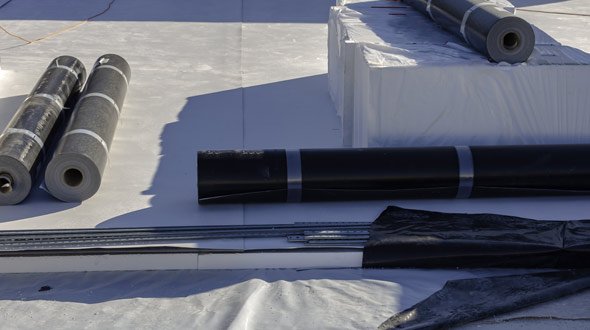
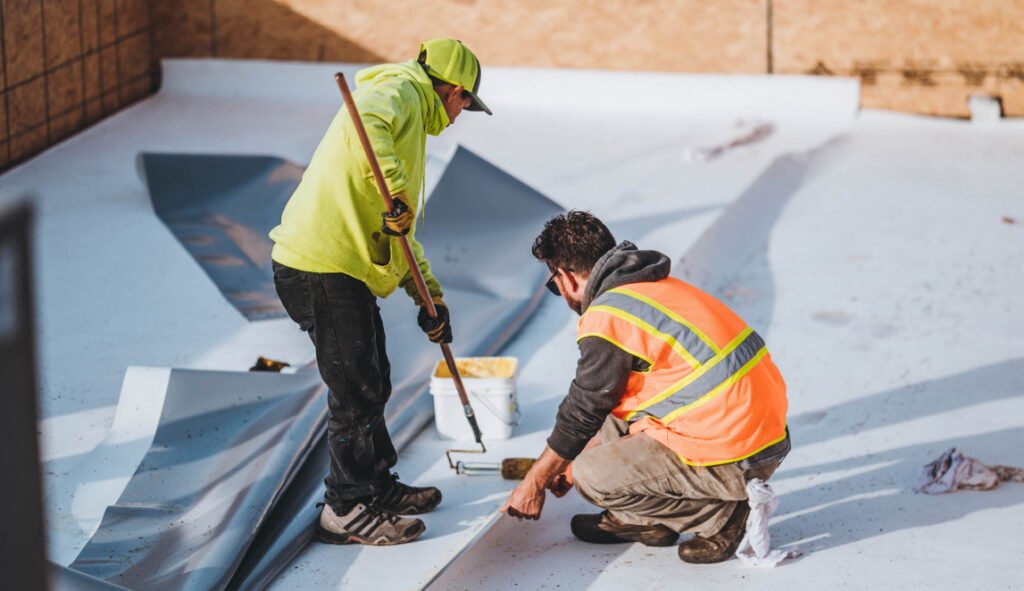
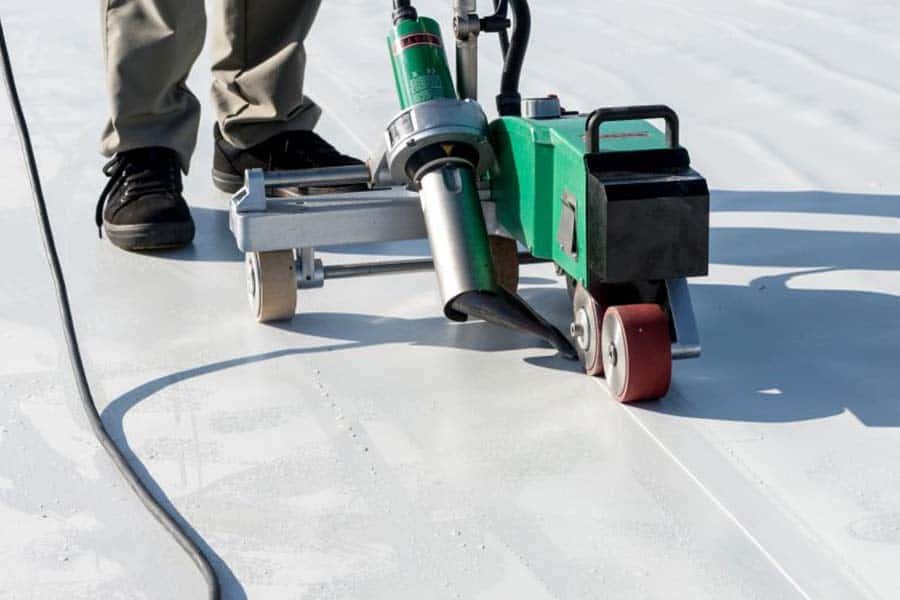
Installing a TPO roof involves several crucial steps, starting with the preparation of the roof surface. This includes cleaning and repairing any existing damage to ensure a smooth and stable base. The TPO membrane is then rolled out and secured using either mechanical fasteners or adhesives, depending on the specific requirements of the project. Seams are heat-welded to create a watertight seal, and flashing is installed around roof penetrations such as vents and skylights. Proper installation is critical to the longevity and performance of a TPO roof, making it essential to follow best practices and manufacturer guidelines.
TPO Roofing
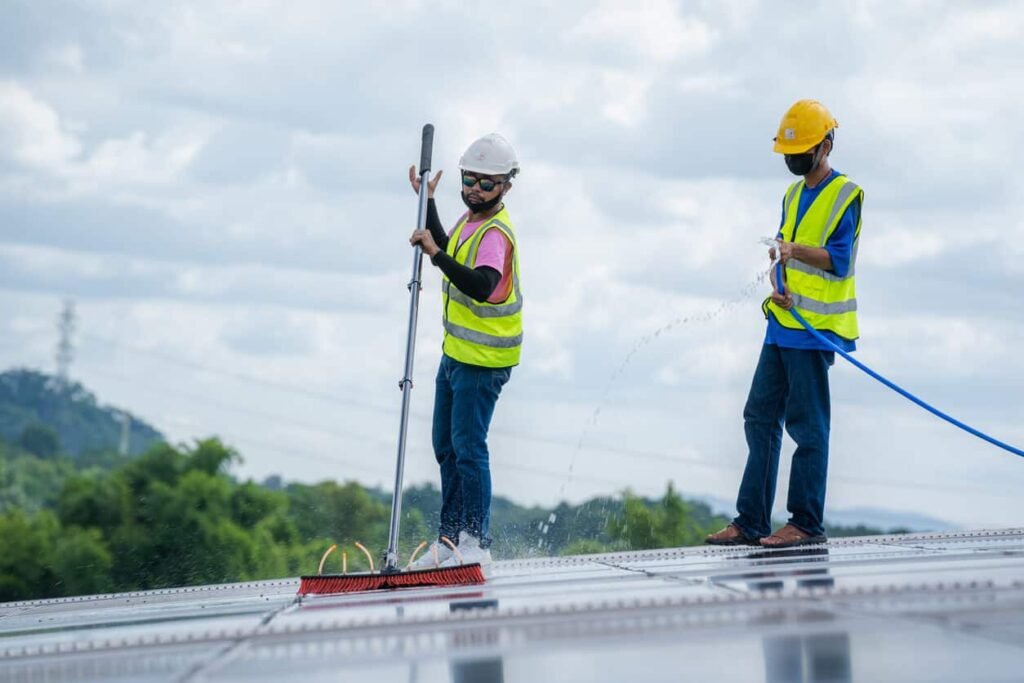
Maintaining a TPO roof involves regular inspections and prompt repairs to ensure its longevity. Routine maintenance includes checking for and removing debris, cleaning the surface to prevent mold and mildew, and inspecting seams and flashing for signs of wear. It’s important to address any issues, such as punctures or tears, as soon as they are discovered to prevent further damage. While TPO roofs are generally low-maintenance, adhering to these practices can significantly extend their lifespan and maintain their energy-efficient properties.
TPO Roofing
The cost of installing a TPO roof can vary based on factors such as roof size, complexity, and location. On average, TPO roofing is more affordable than many other roofing options, offering a balance between cost and performance. It’s important to consider both initial installation costs and long-term savings, as the energy efficiency of TPO can lead to significant reductions in utility bills. Various financing options are available, including loans, leases, and grants, to help manage the upfront costs. Understanding the return on investment (ROI) can also help homeowners and businesses make informed decisions about their roofing needs.

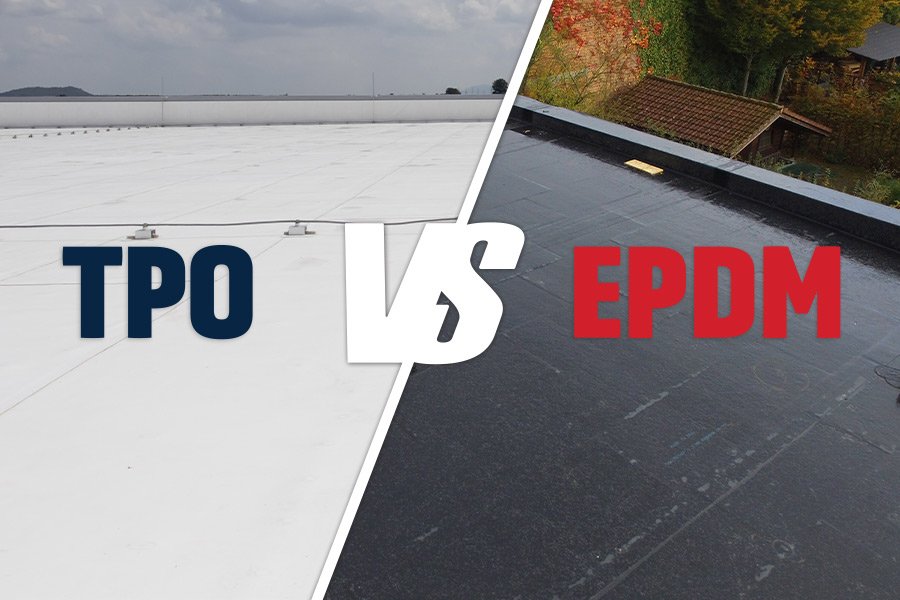
When choosing a roofing material, it’s essential to compare TPO with other options like EPDM, PVC, and traditional roofing materials. TPO and EPDM are both popular single-ply membranes, but TPO offers better resistance to UV rays and punctures. Compared to PVC, TPO is generally more affordable and environmentally friendly, though PVC may offer better chemical resistance in certain industrial applications. Traditional materials like asphalt shingles or metal roofing each have their own set of pros and cons, but TPO often stands out for its combination of durability, energy efficiency, and cost-effectiveness.
Real-world examples and testimonials can provide valuable insights into the performance and benefits of TPO roofing. Success stories from homeowners and businesses who have installed TPO roofs often highlight significant savings on energy bills, improved building comfort, and the durability of the material in various climates. Before-and-after comparisons can visually demonstrate the impact of TPO roofing on a building’s aesthetics and functionality. Interviews with satisfied customers can further emphasize the reliability and advantages of choosing TPO for their roofing needs.
Addressing common questions about TPO roofing can help potential customers make informed decisions. Topics such as the lifespan of TPO roofs, compatibility with different building types, and installation timeframes are frequently asked about. Providing expert answers to these questions can clarify any misconceptions and provide a deeper understanding of the material’s benefits and limitations. Additionally, debunking myths, such as TPO being less durable than other materials, can help build trust and confidence in choosing TPO roofing.
Selecting DJJ Roofing ensures a successful TPO roof installation due to their extensive experience and expertise. Known for quality workmanship and exceptional customer service, DJJ Roofing offers personalized consultations and customized solutions. Their certified team adheres to industry standards, and customer reviews praise their professionalism and reliability. With robust warranties and maintenance plans, DJJ Roofing guarantees the longevity and performance of your TPO roof, making them a top choice for your roofing needs.

Why Choose Us
We use high quality materials to ensure the strongest protection.
We are the most top rated 5 star roofers on Google in Northeast Texas.
Cost-effective and transparent pricing for all of your roofing service needs.

DJJ Roofing is a BBB Accredited Business, committed to ethical business practices and customer satisfaction.
Also, our clients take comfort in knowing that real solution options are provided as opposed to high pressure sales tactics.
We know your time is valuable, so we make it a priority to respond to every inquiry as fast as possible.
Also, our clients take comfort in knowing that real solution options are provided as opposed to high pressure sales tactics.
Family-owned and based in Sulphur Springs, we serve residential and commercial properties across Hopkins, Hunt, Wood, Delta & Franklin Counties — and many communities beyond.
Not sure if we cover your area? Call (903) 217-5431
Free Consultation
Contact Us