DJJ Roofing in Cooper, TX
Roofing Companies Near Me in Cooper, TX
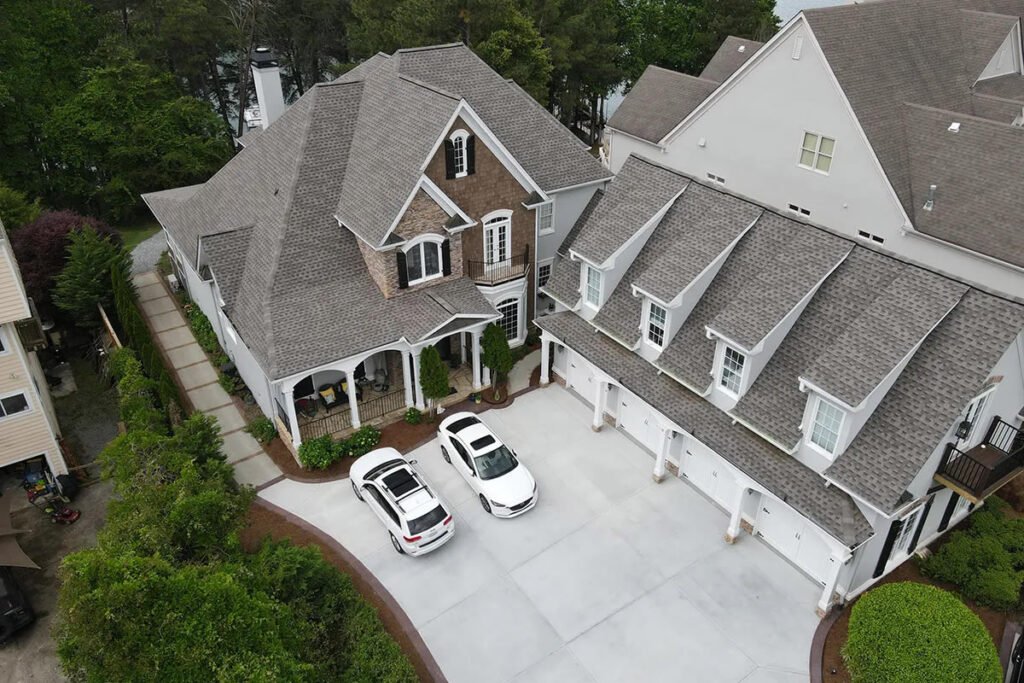
Searching for “roofing companies near me” in Cooper, TX, leads you to DJJ Roofing, the area’s premier roofing service provider. We pride ourselves on delivering exceptional roofing solutions, backed by years of experience and a strong reputation for quality workmanship. Our local expertise allows us to understand the unique roofing needs of Cooper residents, ensuring customized services that meet and exceed expectations. Choose DJJ Roofing for reliable, professional, and affordable roofing services in your neighborhood.
DJJ Roofing in Cooper, TX
Roofing Contractors in Cooper, TX
In Cooper, TX, finding reliable roofing contractors is crucial for homeowners and businesses alike. Our team of experienced roofing professionals at DJJ Roofing provides top-notch services, ensuring that every project is completed with precision and care. From initial inspection to final installation, we use high-quality materials and the latest techniques to deliver durable and aesthetically pleasing roofs. Trust us for all your roofing needs, whether it’s repair, replacement, or new construction, and experience the best customer service in the industry.
DJJ Roofing in Cooper, TX
Roof Repair in Cooper, TX
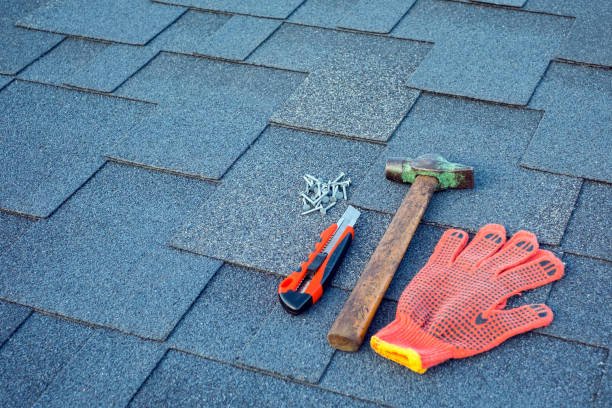
When your roof sustains damage, timely and efficient roof repair is essential to prevent further issues. DJJ Roofing specializes in comprehensive roof repair services in Cooper, TX. Our skilled technicians quickly identify and address problems, from minor leaks to significant structural damage. We use durable materials and advanced repair methods to ensure long-lasting results. Don’t let a damaged roof compromise your home’s safety and comfort; contact us for reliable and affordable roof repair solutions.
DJJ Roofing in Cooper, TX
Roof Replacement in Cooper, TX
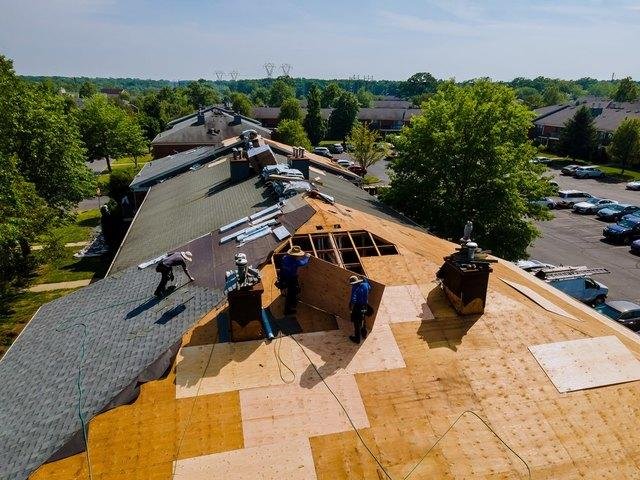
A roof replacement can significantly enhance your property’s value and curb appeal. At DJJ Roofing, we offer expert roof replacement services in Cooper, TX, tailored to meet your specific needs and preferences. Our team guides you through every step, from selecting the best materials to ensuring a flawless installation. With our commitment to quality and customer satisfaction, you can trust us to provide a roof that not only looks great but also stands the test of time.
DJJ Roofing in Cooper, TX
Roofing Services in Cooper, TX
DJJ Roofing offers a comprehensive range of roofing services in Cooper, TX, designed to meet all your roofing needs. Whether you require installation, repair, maintenance, or inspection, our skilled team is equipped to handle any project, big or small. We use high-quality materials and advanced techniques to deliver results that are both durable and visually appealing. Our commitment to excellence ensures that you receive the best roofing services, tailored to your specific requirements.

DJJ Roofing in Cooper, TX
Residential Roofing in Cooper, TX
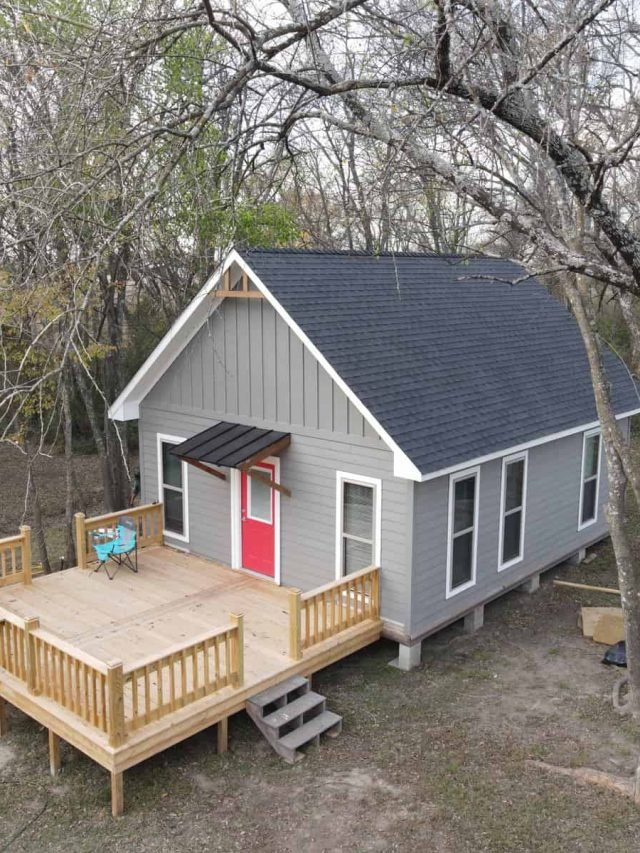
Protect your home with the best residential roofing services in Cooper, TX, provided by DJJ Roofing. Our expert team specializes in installing, repairing, and maintaining roofs for residential properties, ensuring they are safe, durable, and energy-efficient. We work with a variety of roofing materials, including asphalt shingles, metal, and tile, to match your home’s style and needs. Trust us to keep your home protected and looking its best with our top-notch residential roofing solutions.
DJJ Roofing in Cooper, TX
Commercial Roofing in Cooper, TX
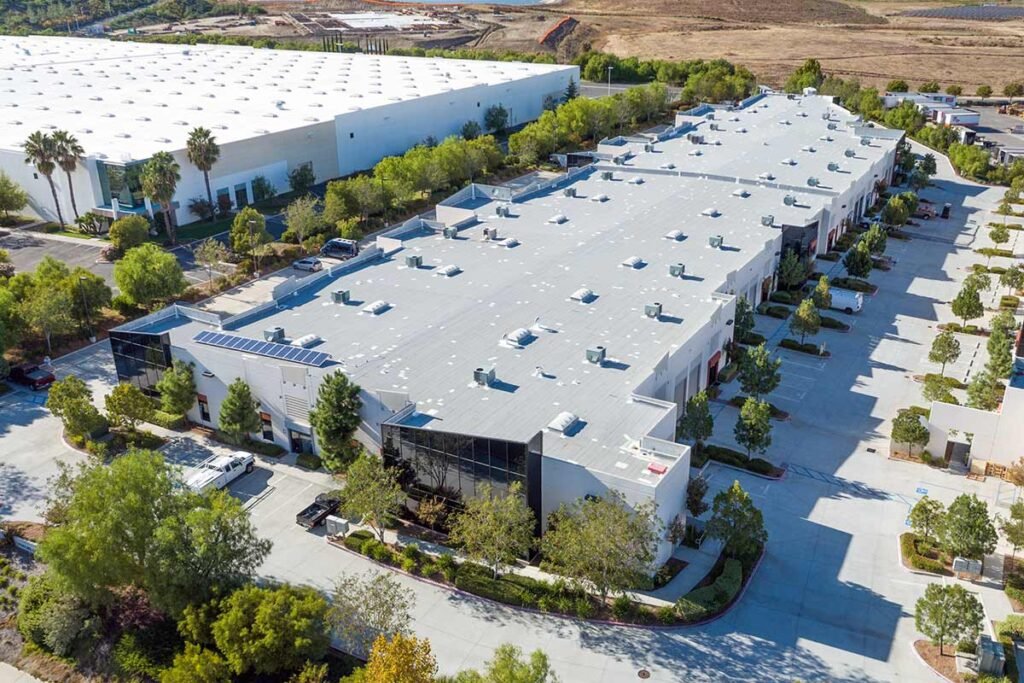
For businesses in Cooper, TX, having a reliable and robust roof is essential. DJJ Roofing offers expert commercial roofing services tailored to meet the unique needs of commercial properties. Our team has extensive experience working with various roofing systems, including flat roofs, metal roofs, and TPO roofing. We provide thorough inspections, prompt repairs, and high-quality installations to ensure your business remains protected and operational. Choose DJJ Roofing for dependable commercial roofing solutions.
Emergency Roof Repair in Cooper, TX
Roofing emergencies can happen at any time, and when they do, you need a trusted partner for quick and effective solutions. DJJ Roofing offers emergency roof repair services in Cooper, TX, ensuring that your property is protected from further damage. Our rapid response team is available 24/7 to handle any roofing emergency, from severe leaks to storm damage. With our expertise and dedication, we provide immediate relief and long-term repair solutions to safeguard your home or business.
Metal Roofing in Cooper, TX
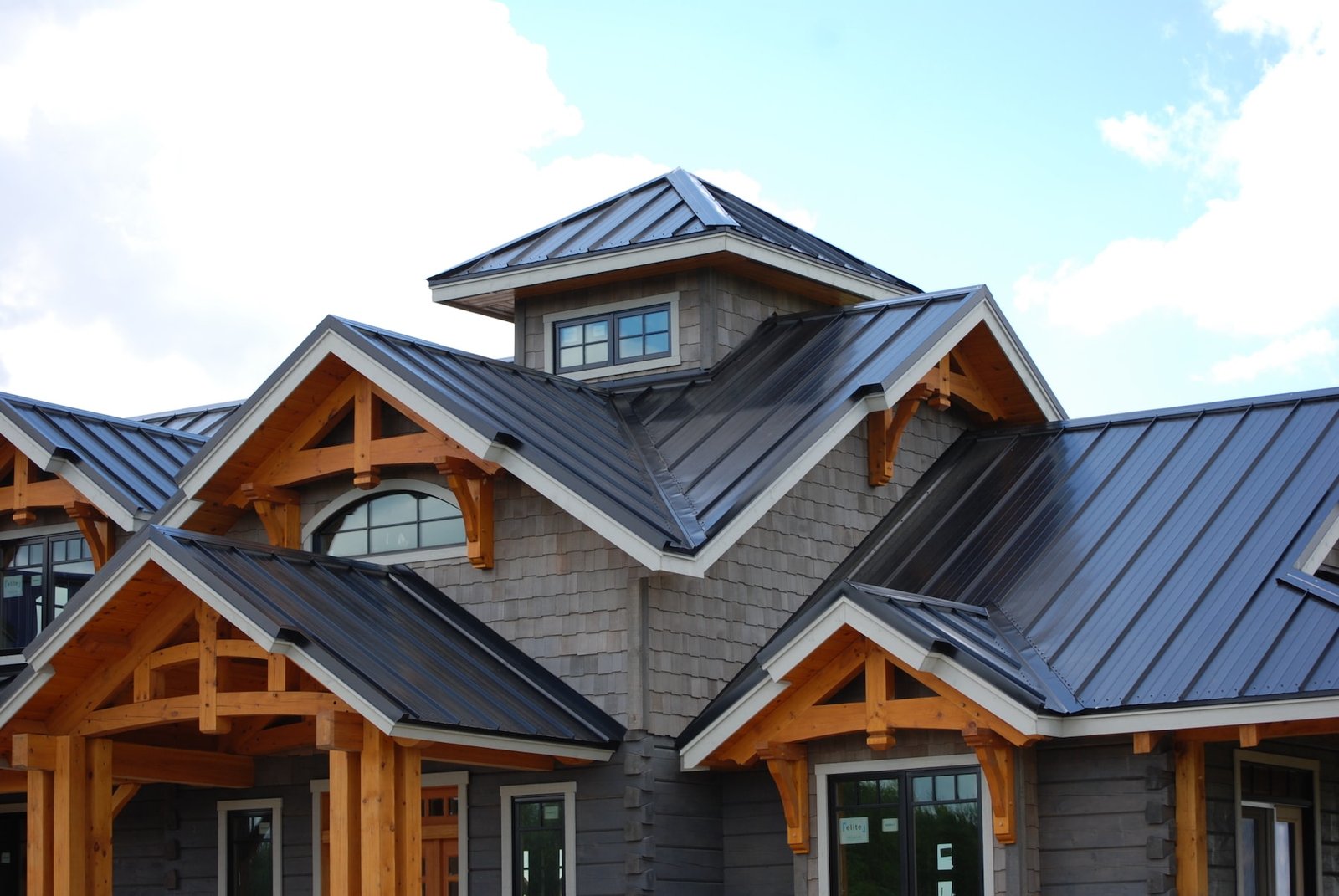
Metal roofing is a durable and energy-efficient option for both residential and commercial properties in Cooper, TX. DJJ Roofing specializes in metal roofing installations and repairs, offering a variety of styles and colors to suit your aesthetic preferences. Metal roofs are known for their longevity, low maintenance, and resistance to extreme weather conditions. Trust our skilled team to provide expert metal roofing services that enhance the durability and appearance of your property.
Roof Inspection in Cooper, TX
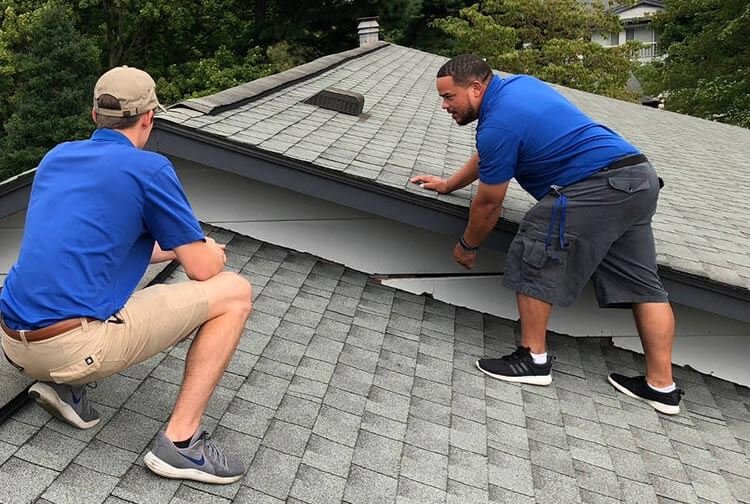
Regular roof inspections are vital to maintaining the health and longevity of your roof. DJJ Roofing offers thorough roof inspection services in Cooper, TX, to identify potential issues before they become major problems. Our experienced inspectors conduct detailed assessments, providing you with comprehensive reports and recommendations for necessary repairs or maintenance. Ensure your roof remains in optimal condition with our professional roof inspection services, and protect your investment for years to come.
FAQs
Most Frequently Asked Questions
How does Cooper, TX weather affect my roof?
Cooper experiences a wide range of East Texas weather conditions throughout the year — hot, sunny days in the summer followed by strong winds, rain, and hail in the spring. These fluctuations cause roofing materials to expand and contract, which can eventually weaken shingles and flashing. High humidity can also promote algae or mold growth on older roofs. At DJJ Roofing, we understand how these conditions impact local homes and tailor our work to provide the best year-round protection for the Cooper area.
How often should I have my roof inspected in Cooper, TX?
We recommend Cooper homeowners have their roofs inspected once a year, preferably in spring before storm season or after any major weather event. Annual inspections are the best way to catch early signs of wear, such as missing shingles, soft spots, or small leaks, before they turn into major issues. DJJ Roofing offers professional roof inspections throughout Cooper and surrounding Delta County communities to ensure your home stays safe and secure.
What are the most common roofing issues in Cooper homes?
In Cooper, the most common roofing problems we encounter are wind damage, hail impact, and shingle deterioration from heat exposure. Some roofs also suffer from improper ventilation, which can trap heat and moisture beneath the roof deck, leading to premature aging. At DJJ Roofing, we’ve helped many Cooper homeowners repair storm damage and improve ventilation to extend the life of their roofing systems.
What roofing materials work best for Cooper, TX homes?
For Cooper’s weather conditions, durability and heat resistance are key. At DJJ Roofing, we recommend high-quality asphalt shingles that resist wind and hail damage or metal roofing that provides long-lasting performance with minimal maintenance. Both options are well-suited for the rural environment in Delta County and can handle everything from heavy rain to blazing sun while maintaining their appearance and strength for years.
How can I choose a reliable roofing contractor in Cooper, TX?
When selecting a roofer in Cooper, look for one that’s local, fully insured, and experienced with East Texas weather patterns. DJJ Roofing is trusted throughout Delta County for providing honest estimates, dependable service, and top-quality materials. We take pride in helping Cooper homeowners protect their investments with roofs that are built to last — installed by a team that stands behind every project with integrity and care.
Conclusion
In conclusion, DJJ Roofing is your trusted partner for all roofing needs in Cooper, TX. Our extensive range of services, from roof repair and replacement to emergency services and inspections, ensures that your property remains protected and visually appealing. With our commitment to quality, customer satisfaction, and local expertise, we strive to be the top roofing company in Cooper. Choose DJJ Roofing for reliable, professional, and affordable roofing solutions, and experience the difference that our dedicated team can make for your home or business. Contact us today to schedule a consultation and let us help you achieve a durable and beautiful roof.
Why Choose Us
Reasons For People Choosing Us
Quality Material
We use high quality materials to ensure the strongest protection.
Top Rated
We are the most top rated 5 star roofers on Google in Northeast Texas.
Fair Pricing
Cost-effective and transparent pricing for all of your roofing service needs.
Time Flexibility
Also, our clients take comfort in knowing that real solution options are provided as opposed to high pressure sales tactics.
Quick Response
Your time matters to us, We'll respond as soon as possible.
We Are Here To Serve
Also, our clients take comfort in knowing that real solution options are provided as opposed to high pressure sales tactics.
Free Consultation
Contact Us
Introduction
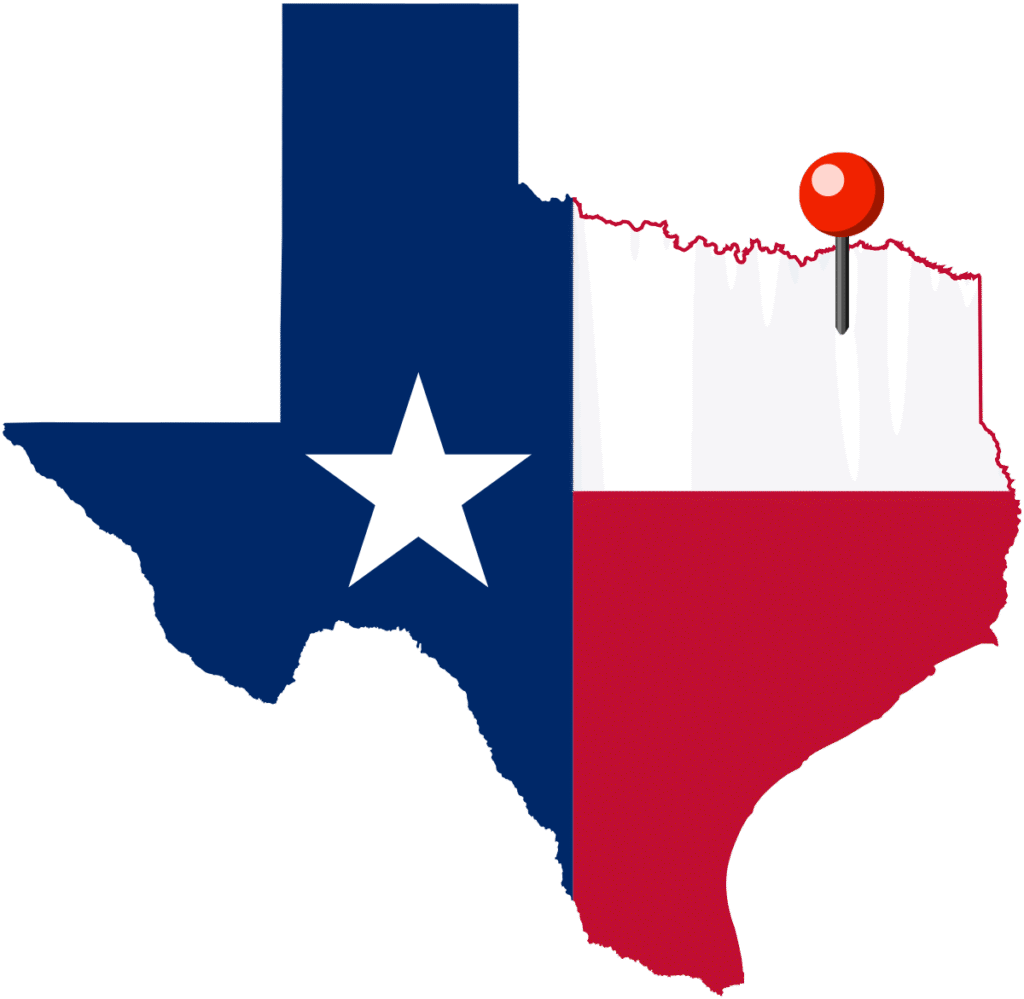
Cooper, Texas, is a small, historic city serving as the county seat of Delta County in northeastern Texas. Though modest in population—hovering around 2,000 residents—it carries a deep legacy that intertwines the heritage of rural Texas with the quiet persistence of small-town America. Situated at the junction of State Highways 24 and 154, about 24 miles southwest of Paris, Cooper embodies the charm and challenges of a traditional Southern community.
The town’s origins date back to the post–Civil War era, and its story mirrors the broader development of rural Texas: from agricultural roots and railroad expansion to economic adaptation in a modernizing state. Cooper remains a central hub for Delta County, balancing its historic character with an evolving local economy and an enduring sense of community.
Geography and Setting
Cooper is located in the south-central portion of Delta County, Texas. The town covers approximately 1.5 square miles, characterized by gently rolling terrain, fertile soils, and a patchwork of farmland that has long supported its agrarian identity. The area lies within the Post Oak Savannah region—a transitional zone between the pine forests of East Texas and the prairies of the north.
The climate is humid subtropical, featuring hot summers and mild winters. Average summer highs reach the mid-90s °F, while winter lows occasionally dip below freezing. Rainfall is evenly distributed through the year, averaging around 45 inches annually.
Cooper’s proximity to Cooper Lake and the adjoining Cooper Lake State Park (officially known as Jim Chapman Lake) adds a recreational and ecological dimension to its geography. The lake, spanning over 19,000 acres, offers camping, boating, fishing, and wildlife viewing opportunities. Its creation in the 1990s also provided improved flood control and water management for the region.
Located within reasonable distance of cities such as Paris, Commerce, and Sulphur Springs, Cooper maintains rural tranquility while offering access to regional commerce and services. State Highway 24 connects Cooper to the major U.S. Highway 82 corridor, linking it with larger East Texas markets.
Historical Development
Founding and Early Years (1870–1890)
The town of Cooper was founded in 1870 and named for L. W. Cooper of Houston, who was instrumental in sponsoring the legislation that organized Delta County. The establishment of the Delta County seat marked the formal beginning of the community. In 1871, a post office was opened, and by 1881, Cooper was incorporated under an aldermanic form of government.
In the early years, settlers were primarily farmers drawn to the fertile bottomlands surrounding the Sulphur River. Cotton quickly became the region’s dominant crop, driving economic growth. By 1885, Cooper’s population had grown to roughly 300, and the town supported essential businesses such as general stores, blacksmith shops, a few churches, and small gins.
Growth and the Railroad Era (1890–1910)
The arrival of the Texas Midland Railroad in the 1890s ushered in a period of prosperity. Rail connections linked Cooper to distant markets, enabling farmers to ship cotton and other agricultural products efficiently. The town rapidly became the economic hub of Delta County.
By 1896, the population had reached approximately 1,000 residents. Cooper boasted two cotton gins, feed mills, blacksmith shops, two weekly newspapers, and multiple general stores. The railroad era also fostered a spirit of optimism and civic pride. Businesses flourished around the courthouse square, and new institutions—including schools and churches—solidified the town’s social fabric.
The Early 20th Century (1910–1940)
Like much of rural America, Cooper’s fortunes rose and fell with the agricultural economy. The boll weevil infestations of the early 20th century and the Great Depression brought hardship to the region. Yet, Cooper maintained its status as the county seat and retained a stable community base.
During the 1930s and 1940s, civic improvements emerged through federal programs. The Delta County Courthouse, completed in 1941 with Works Progress Administration (WPA) assistance, stands today as a symbol of that era. Its Art Deco/Modern architectural style distinguishes it from earlier, more classical courthouse designs and remains one of Cooper’s defining landmarks.
Mid-Century Transition (1940–1970)
After World War II, agriculture remained central, but mechanization reduced the need for manual labor, leading many families to relocate to urban centers. Despite these demographic shifts, Cooper continued as the administrative, judicial, and cultural heart of Delta County.
Small manufacturing, local retail, and service businesses arose to support the community. The 1950s and 1960s saw the growth of local schools and civic clubs, while new churches reflected the town’s religious vitality.
Modern Era and the Lake Project (1970–Present)
In 1991, the construction of Cooper Lake (later renamed Jim Chapman Lake in honor of a local congressman) transformed the area’s geography and economy. The project not only provided flood control and a water source for surrounding counties but also created new opportunities for recreation and tourism. Cooper Lake State Park draws visitors for fishing, boating, camping, and hiking, giving the community a modest but steady stream of tourism revenue.
In the 21st century, Cooper has maintained its identity as a peaceful rural county seat. While its economy remains small, it has diversified modestly with public-sector jobs, retail, light industry, and regional services. Local government and community organizations have emphasized preserving Cooper’s heritage while improving quality of life through infrastructure maintenance, beautification efforts, and community events.
Demographics
Population Overview
According to recent Census data, Cooper’s population stands around 2,000 residents. The 2020 Census recorded 1,911 people, a slight increase over 2010’s 1,969 count. Despite minor fluctuations, Cooper’s population has remained relatively stable for decades, neither booming nor declining dramatically.
Ethnic and Racial Composition
As of 2023, Cooper’s population is approximately 72 percent White (non-Hispanic), 19 percent Black or African American (non-Hispanic), 3 percent Hispanic White, and 3 percent mixed race. These figures highlight a modestly diverse small-town community. The Black community, with deep historical roots in the region, continues to play an integral role in local culture and institutions. Hispanic residents—though a smaller share—have been a growing presence in recent decades.
Age and Household Structure
Cooper’s median age is about 34 years, somewhat younger than the national median, reflecting a mix of young families and older residents. Average household size is 2.6 persons, consistent with rural Texas norms. Roughly 25 percent of residents are under 18, and 15 percent are 65 or older.
Education
Education levels are relatively strong for a small town: nearly 88 percent of adults over 25 are high-school graduates, and 15 percent hold a bachelor’s degree or higher. The Cooper Independent School District (CISD) is a central institution, known for close-knit relationships between teachers, students, and parents.
Income and Employment
Median household income is approximately $52,000, below the national median but typical of rural Texas. The poverty rate hovers around 17 percent. Major employment sectors include education, healthcare, manufacturing, construction, and retail trade.
Economy
Historical Economic Base
Agriculture built Cooper. Cotton was once king, and Delta County’s rich soils supported extensive cotton cultivation for decades. Cooper’s early prosperity derived from serving as the trade center for surrounding farms—housing cotton gins, feed mills, hardware stores, and implement dealers.
As mechanization and diversification transformed agriculture, Cooper’s role shifted from a commodity hub to a service-oriented town.
Present-Day Economy
Today, Cooper’s economy blends local government, education, small retail, and light industry. The Delta County Courthouse and school district provide stable employment. Small businesses—cafés, repair shops, convenience stores, and contractors—form the commercial backbone.
Some residents commute to nearby cities like Commerce, Sulphur Springs, or Paris for work. The presence of Cooper Lake State Park contributes to hospitality and tourism revenue, especially from camping and fishing visitors.
Small manufacturing and construction firms also operate in the area, taking advantage of affordable land and labor.
Agriculture Today
Although cotton no longer dominates, agriculture remains important. Farmers grow grains, hay, and soybeans, while livestock—particularly cattle and poultry—play a larger role than in past decades. Delta County’s rolling pastures support ranching, and regional markets sustain feed and supply operations.
Future Economic Prospects
Cooper’s small size limits large-scale development, but opportunities exist in rural tourism, renewable energy (such as solar farms on open land), and home-based online businesses supported by improving broadband access. Efforts to revitalize downtown Cooper—through façade restoration and community events—aim to attract visitors and entrepreneurs while preserving historic character.
Government and Civic Life
As Delta County’s seat, Cooper hosts key government functions: the county courthouse, sheriff’s office, county clerk, and administrative departments. The city operates under a mayor-council system, focusing on utilities, roads, and community services.
The Delta County Courthouse Square serves as the civic heart, surrounded by small offices, banks, and shops. Regular county meetings, court sessions, and community gatherings give the square a steady rhythm of activity.
Civic organizations—such as the Lions Club, local churches, the Chamber of Commerce, and volunteer groups—play vital roles in social life. Cooper also maintains a volunteer fire department and a small police force.
Education
Cooper Independent School District serves not only the city but much of Delta County. The district operates Cooper Elementary, Junior High, and High School on a unified campus. Athletics and extracurriculars—especially football, basketball, and FFA—form a cornerstone of community life.
The high school’s teams, known as the Cooper Bulldogs, inspire strong local support, with Friday night football drawing large crowds. Academic and vocational programs emphasize both college readiness and practical skills.
Nearby higher-education institutions include Texas A&M University-Commerce (about 20 miles south) and Paris Junior College (25 miles north), giving residents convenient access to advanced studies.
Culture and Community Life
Cooper’s cultural life reflects traditional small-town Texas values—faith, family, and fellowship—blended with a growing appreciation for heritage and recreation.
Festivals and Events
Delta County Fair and Livestock Show: A long-standing tradition celebrating local agriculture, crafts, and youth programs such as 4-H and FFA.
Annual Chigger Festival: A light-hearted event featuring food, live music, games, and vendors, held downtown to promote community spirit.
Christmas on the Square: Seasonal festivities transform the courthouse square into a winter wonderland, with parades, lights, and caroling.
Religion and Community
Churches form a major social anchor. Cooper hosts numerous denominations—Baptist, Methodist, Church of Christ, and others—many of which date back to the 19th century.
Volunteerism is another hallmark: residents frequently organize benefit dinners, cleanup days, and fundraisers for neighbors in need.
Recreation
Cooper Lake State Park offers hiking, camping, bird-watching, and equestrian trails. The park’s two units—Doctors Creek (near Cooper) and South Sulphur (on the opposite shore)—feature cabins and RV facilities. Fishing for catfish, crappie, and bass is a major draw.
Local parks and the Delta Country Club’s golf course also provide recreation.
Local Media
The Cooper Review, a weekly newspaper founded in 1880, remains the primary local news source, covering community events, government updates, and school sports. Its continuity makes it one of Texas’s longest-running small-town papers.
Landmarks and Architecture
Delta County Courthouse: Built in 1941, the three-story limestone courthouse is listed on the National Register of Historic Places. It exemplifies Depression-era architecture and serves as Cooper’s defining structure.
Downtown Courthouse Square: Traditional layout with surrounding shops, cafés, and offices.
Historic Churches: The First Baptist Church and the Methodist Church reflect early 20th-century religious architecture.
Cooper Lake State Park: While technically outside the city limits, its creation profoundly influenced local identity.
Efforts have been made to preserve Cooper’s small-town aesthetic—brick sidewalks, old-fashioned street lamps, and historical signage pay homage to its roots.
Transportation and Infrastructure
Cooper is served by State Highways 24 and 154, linking it to nearby Sulphur Springs, Commerce, and Paris. Local roads are well-maintained, with rural routes connecting outlying farms.
Although the Texas Midland Railroad no longer operates, its historical route helped shape Cooper’s original layout.
Public transportation options are limited, typical for rural towns, but regional bus services and rideshare programs are occasionally available for residents without cars.
Utility services—electric, water, and sanitation—are managed locally, while broadband internet has expanded in recent years through rural access initiatives.
Environment and Natural Resources
The region’s soils—mainly loam and clay—support pasture, crops, and forested tracts. Cooper Lake and the Sulphur River watershed define the area’s hydrology. The lake’s creation improved flood control and provided a stable water supply.
Native flora includes post oak, blackjack oak, cedar elm, and various prairie grasses. Wildlife such as deer, raccoons, and numerous bird species inhabit the surrounding lands.
Environmental stewardship is an increasing priority; Cooper Lake State Park emphasizes conservation education, while local schools and groups sponsor cleanup projects.
Challenges
Like many rural communities, Cooper faces persistent challenges:
Economic diversification: Limited local industry and dependence on government and service jobs constrain growth.
Youth out-migration: Many young adults relocate to larger cities for education or employment.
Aging infrastructure: Roads, water systems, and public buildings require continual maintenance with limited tax revenue.
Healthcare access: While clinics operate locally, residents often travel to Sulphur Springs or Paris for specialized care.
Digital connectivity: Broadband expansion is improving but remains less robust than urban standards.
Despite these issues, Cooper’s close-knit social structure often compensates through collaboration and resilience.
Community Spirit and Resilience
What truly defines Cooper is its people. Residents value relationships over convenience, tradition over trend, and mutual aid over anonymity. Whether through church gatherings, sports games, or town meetings, social bonds remain strong.
Events like benefit auctions, school fundraisers, and volunteer emergency responses demonstrate a shared ethic of service. During natural disasters or personal hardships, neighbors routinely step up for one another.
Such community resilience has allowed Cooper to endure economic ups and downs while retaining its sense of belonging.
The Future of Cooper
Looking ahead, Cooper faces the task of balancing preservation with progress. Economic revitalization efforts focus on three main fronts:
Downtown Renewal: Restoring the courthouse square to attract small shops, antique stores, and cafés.
Tourism Promotion: Marketing Cooper Lake State Park and local festivals to draw weekend visitors from Dallas, Tyler, and other nearby metros.
Digital and Entrepreneurial Growth: Encouraging home-based businesses and remote workers to relocate, leveraging the town’s low cost of living and improving internet access.
Long-term sustainability may depend on integrating traditional rural strengths—community, craftsmanship, and nature—with modern opportunities in digital commerce and eco-tourism.
Conclusion
Cooper, Texas, may not appear large on the map, but its story encapsulates the essence of rural Texas life. Founded amid post-Civil War optimism, sustained through railroad expansion, shaped by the trials of agriculture and the Great Depression, and renewed through modern adaptation, Cooper stands as a testament to endurance.
Its courthouse still anchors the town square. Its school still unites generations under Friday-night lights. Its residents still embody the values of integrity, hard work, and compassion that define small-town America.
As the county seat of Delta County, Cooper continues to serve not only as an administrative center but as a living link between Texas’s past and future—a reminder that even in the quiet corners of the state, history, community, and hope thrive side by side.