
DJJ ROOFING
DJJ Roofing in Princeton, TX
Princeton is one of the fastest-growing cities in Texas, and DJJ Roofing has been keeping up with Collin County since 2015. As a family-owned Owens Corning Preferred Contractor, we bring certified roofing expertise and genuine accountability to every job in Princeton and the surrounding communities. Whether you are a longtime resident or just moved into one of the area’s newer neighborhoods, you deserve a roofing contractor in Princeton, TX who will be straight with you – on what your roof actually needs and what it will cost.
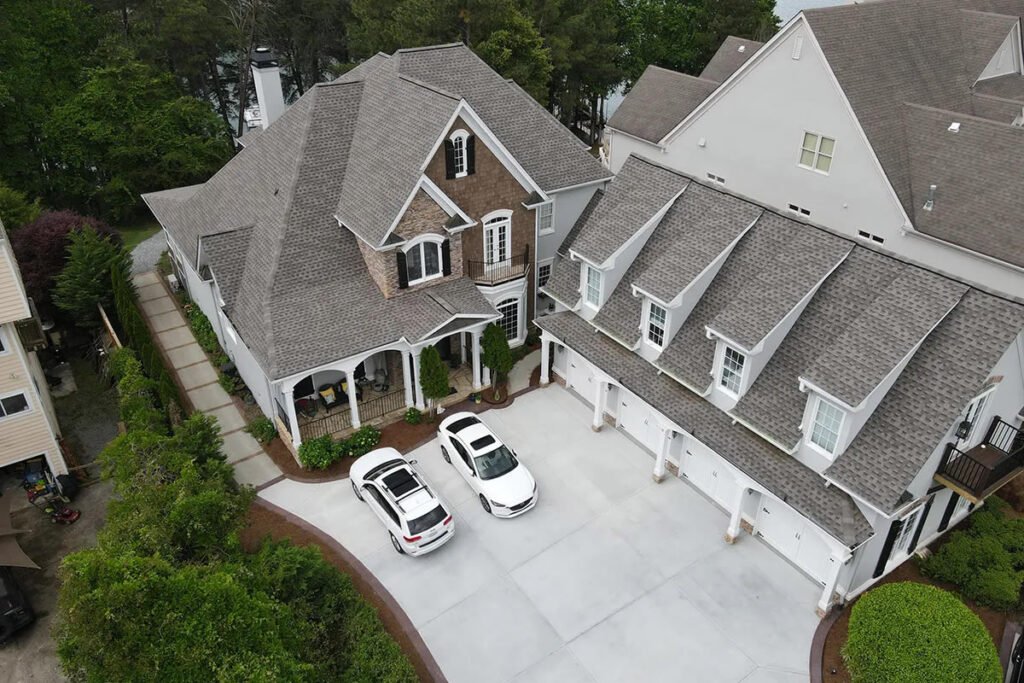
DJJ Roofing in Princeton, TX
Collin County gets serious weather – spring hailstorms are common across the North Texas corridor, and Princeton homes deal with intense summer heat, UV exposure, and wind events that wear down roofing systems faster than many homeowners realize. Add to that the volume of new construction in the area, where builder-grade shingles are often the starting point, and regular roof maintenance becomes especially important. DJJ Roofing provides inspections, repairs, and full replacements for Princeton homes and businesses.
DJJ Roofing in Princeton, TX
Hail damage is one of the most common – and most underestimated – roofing problems in Collin County. A storm can leave behind bruised shingles and cracked flashing that look fine from the ground but allow water in months later. DJJ Roofing provides thorough roof repair services for Princeton homeowners and businesses, identifying storm damage early and fixing the root cause – not just the visible surface. We also help document damage for insurance claims when needed.

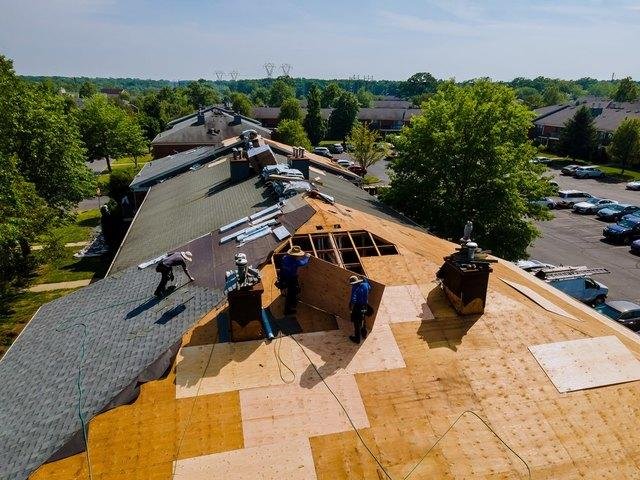
DJJ Roofing in Princeton, TX
Many Princeton homes built during the rapid growth of the last decade came with builder-grade roofing that is now approaching the end of its useful life. If your roof is 15 or more years old, or has been through several North Texas hail seasons, DJJ Roofing can give you an honest assessment of whether a repair or full replacement makes more sense. As an Owens Corning Preferred Contractor, we install certified systems with wind and hail resistance ratings and manufacturer-backed warranties. Most standard replacements in Princeton are completed in one to two days.
DJJ Roofing in Princeton, TX
DJJ Roofing serves Princeton and Collin County with a full range of roofing services – repairs, complete replacements, new installations, inspections, metal roofing, seamless gutters, storm damage restoration, and insurance claim support. Family-owned and operating since 2015, we stand behind every job after the crew leaves – which matters a lot more when you are dealing with a warranty issue two years down the road.
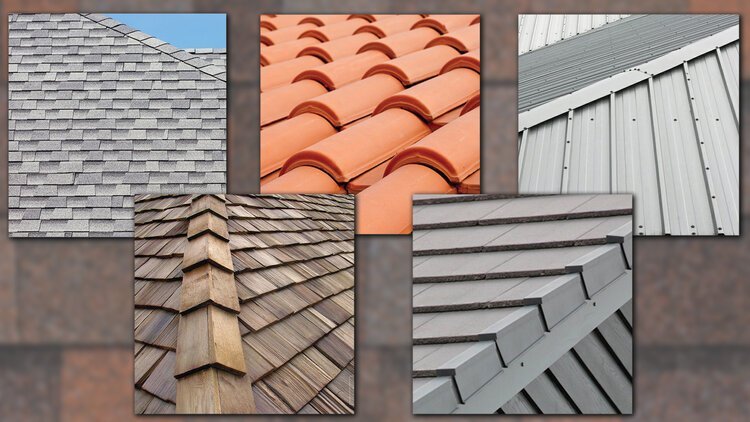
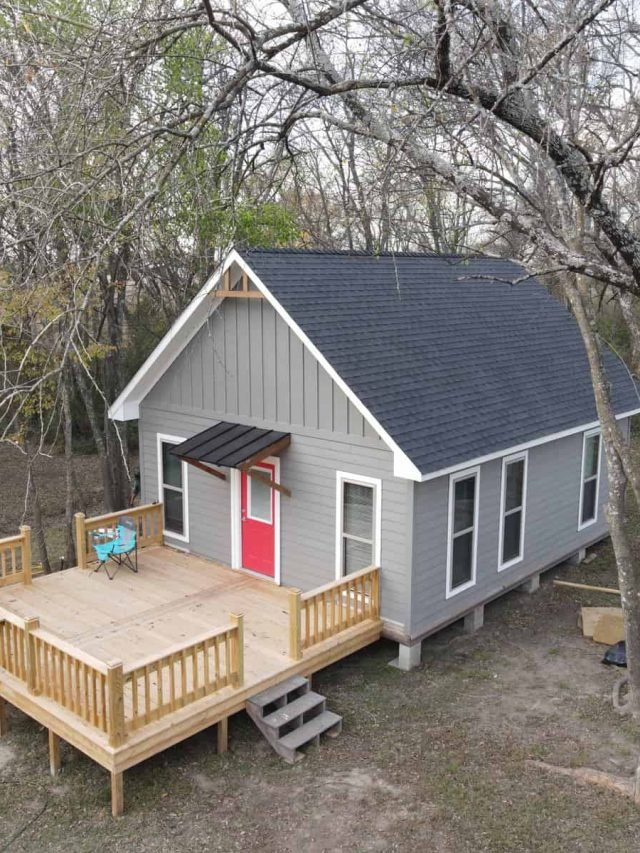
DJJ Roofing in Princeton, TX
Princeton’s residential growth has brought thousands of new homes to Collin County – many with builder-grade roofing systems that offer minimal warranty coverage and average weather performance. DJJ Roofing upgrades and replaces these with Owens Corning certified systems rated for North Texas wind and hail, giving homeowners real long-term protection. Whether your home is in an established neighborhood or a newer development, we inspect, repair, and replace roofs with the care and quality your investment deserves.
DJJ Roofing in Princeton, TX
Princeton’s commercial sector has grown fast along US-380 and the surrounding corridors, and those buildings need roofing that performs in North Texas conditions. DJJ Roofing handles commercial flat roofing systems, TPO, metal, and modified bitumen for retail, warehouse, and mixed-use properties in Princeton and Collin County. We schedule work to minimize disruption and provide preventive maintenance programs that extend roof life and keep small issues from becoming emergency repairs.
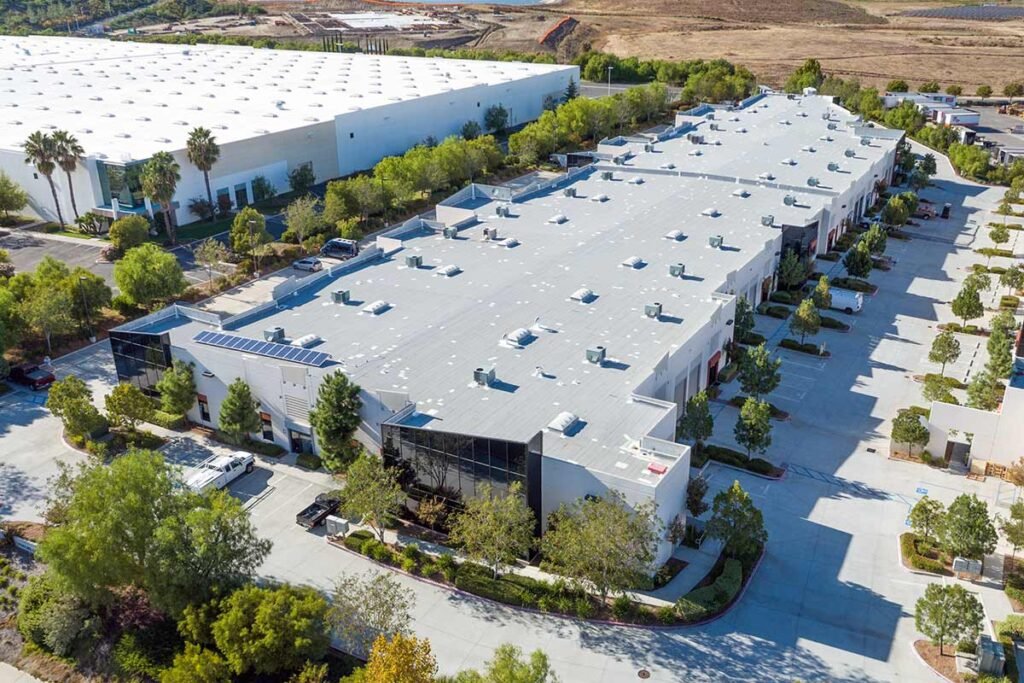
The most damaging effects of Collin County hail are often invisible from the ground. Granule loss, cracked shingles, and bruised underlayment allow moisture to penetrate slowly, leading to attic leaks, rotted decking, and water damage weeks or months after the storm. DJJ Roofing provides detailed photographic documentation of storm damage that insurance adjusters require to process a claim. The NWS Fort Worth office archives official storm reports for all Collin County events, a useful resource when establishing specific storm dates for your insurer.
Roofing costs in Princeton depend on roof size, pitch, material, and whether decking replacement is needed. Standard asphalt architectural shingles on a typical 3-bedroom home run $8,000 to $14,000. Class 4 impact-resistant shingles add $1,000 to $2,500 but can reduce your homeowner insurance premium enough to recover that cost within a few years, a strong investment in Collin County’s hail corridor.
Metal roofing runs $14,000 to $28,000+ depending on the panel system. Standing seam delivers the longest lifespan (40-70 years) at the highest price; corrugated and PBR panel systems cost less and are popular on homes, barns, and agricultural buildings throughout the county.
When hail or wind damage is covered by your homeowner’s policy, your out-of-pocket cost is typically just your deductible. Many Princeton homeowners receive a fully replaced roof for $1,000 to $3,000 after an approved claim. Learn more about our roof replacement services or call (903) 217-5431 for a free no-pressure estimate.
After a hail or wind event in Princeton, the insurance claim process is where most homeowners lose value, not because their damage is not covered, but because it is not documented properly. Damage from a specific storm must be tied to that event with dated photographic and measurement evidence. DJJ Roofing provides free professional roof inspections that produce a complete, timestamped photo record of every impact point on your roof.
The process that works: get a professional inspection and documentation before filing, submit the inspection report with your claim, and have a contractor estimate in hand that matches the adjuster’s approved scope. Items not in the scope are not paid, which is why having a thorough inspection from the start matters. Texas homeowners also have strong rights under state insurance law. The Texas Department of Insurance (TDI) publishes guides on storm damage claims, dispute processes, and insurer response deadlines.
DJJ Roofing has helped hundreds of Collin County homeowners navigate successful insurance claims. Visit our insurance claims page or call (903) 217-5431 to discuss your situation before you file.
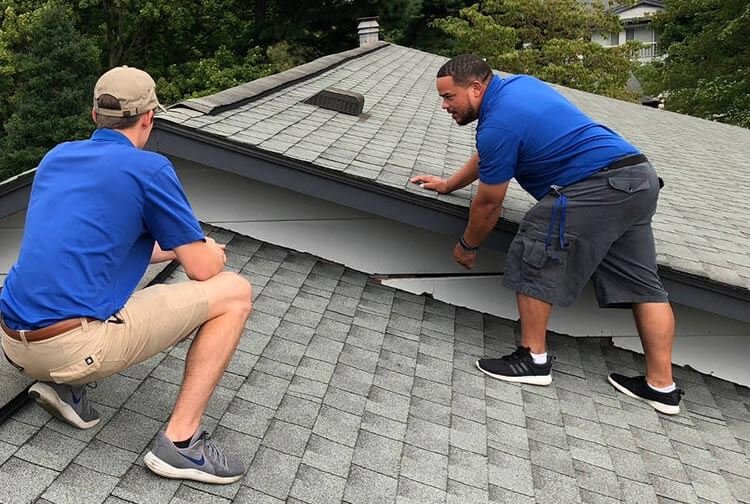

DJJ Roofing has been the roofing contractor Princeton and Collin County homeowners have trusted since 2015. We are a family-owned business with deep local roots, not a company that moves on after the insurance money runs out.
We are fully insured with current general liability coverage, verifiable by Certificate of Insurance on request. We carry Owens Corning Preferred Contractor certification, meaning we have met Owens Corning’s installation standards and can offer their full line of warranty-backed roofing systems. We are Google Guaranteed, independently verified by Google’s business credentialing process.
Our thorough free roof inspections give you a complete assessment with detailed photo documentation that speeds up insurance approvals. Every project we complete in Princeton represents our name and our reputation in this community. Read what our customers say or contact us today for a free no-obligation estimate.
DJJ Roofing is an Owens Corning Preferred Contractor, which means Princeton homeowners get access to the full Duration and Oakridge product lines. Thirty-year architectural shingles are the most popular choice for residential roofing across Collin County, and the Class 4 impact-resistant Duration STORM shingle can reduce your homeowner insurance premium enough to recover its cost within a few years. A typical asphalt shingle roof on a Princeton home runs $8,000 to $14,000 fully installed.
Metal roofing demand has grown steadily across Collin County because a properly installed metal roof lasts 40 to 70 years, handles hail better than asphalt, and keeps cooling costs down through the long Texas summer. DJJ Roofing installs corrugated panel, PBR, PBU, and standing seam metal systems for residential and commercial properties in Princeton. Metal roofing typically runs $14,000 to $28,000 or more depending on profile and complexity. Call (903) 217-5431 to find out which material is the right fit for your Princeton roof.
Granule loss in your gutters, cracked or curling shingles, and missing tabs are the most visible signs that an asphalt roof in Princeton needs attention. A single missing shingle exposes the underlayment to direct rain and UV, and water spreads under adjacent shingles faster than most homeowners expect. After a hail event across Collin County, granule loss can appear prematurely on shingles that absorbed impact, which is why a post-storm inspection matters for your insurance claim window.
Flashing failures around chimneys, pipe boots, and roof-to-wall junctions are the source of a large share of interior leaks in Princeton homes. Any sagging in the roof deck points to long-term moisture damage in the structural framing and needs immediate attention. If your roof is within five years of its design life or has not been inspected since the last major storm in Collin County, call DJJ Roofing at (903) 217-5431 for a free evaluation before the next storm season.
Every DJJ Roofing project in Princeton starts with a free inspection covering the full roof surface, attic ventilation, flashing, and gutters. If storm damage is present, the inspection report is formatted to support your insurance claim directly. After the inspection, you receive a detailed written estimate with every line item reviewed before anything is signed. There are no surprise charges once work begins, and for insurance claims we coordinate directly with your adjuster to make sure the approved scope reflects what your Princeton roof actually needs.
On installation day, DJJ Roofing performs a complete tearoff down to the decking, replaces any damaged sheathing, and installs to Owens Corning manufacturer specifications so the warranty stays valid. Cleanup at the end of each day includes a magnetic roller pass across the yard and driveway. The project is not complete until the homeowner walks the finished roof and is satisfied with the result. As a BBB Accredited Business and Google Guaranteed contractor serving Collin County since 2015, call (903) 217-5431 to get started.
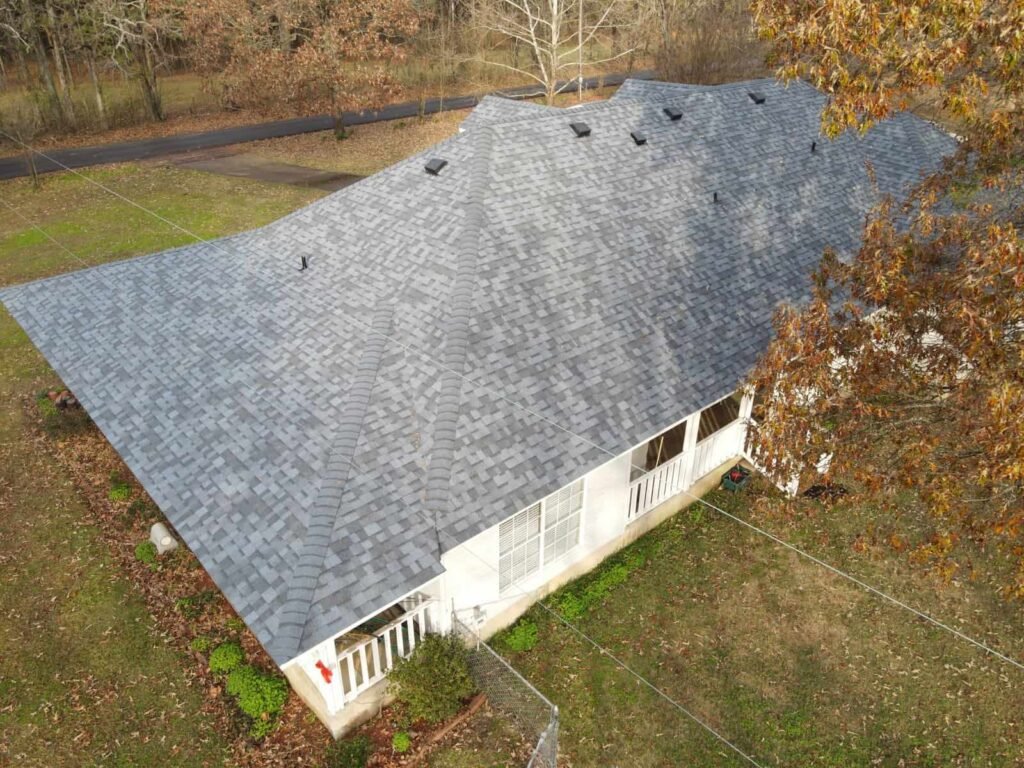
Spring is the highest-risk season for roof damage in Princeton. The severe thunderstorm season from March through June brings hail and high winds that expose any weakness in shingles, flashing, or gutters across Collin County. A hail event that looks minor from the ground can leave thousands of impact points on your shingle surface, stripping granules and cutting years off the remaining service life. Getting a professional inspection in April or May keeps you inside the window for an insurance claim. Summer surface temperatures on dark shingles can exceed 150 degrees in Princeton, making proper ridge and soffit ventilation critical for extending shingle life.
Fall is the time to clear gutters of leaves and debris in Princeton. Blocked gutters force water to back up under the lower shingle course and pool against the fascia, causing rot that is entirely preventable with basic maintenance. Winter freeze and thaw cycles in Collin County can widen small cracks in flashing sealant, turning minor entry points into bigger problems by spring. Call DJJ Roofing at (903) 217-5431 to schedule your free inspection before the next storm season arrives.
When a severe storm hits Collin County and your Princeton roof takes damage, DJJ Roofing responds fast. We provide emergency roof repair services including temporary tarping to stop active leaks, thorough damage documentation, and permanent repair or replacement once conditions allow. North Texas hail events can be fast and brutal – a contractor who can reach your property quickly makes a real difference in limiting interior damage to your home or business.
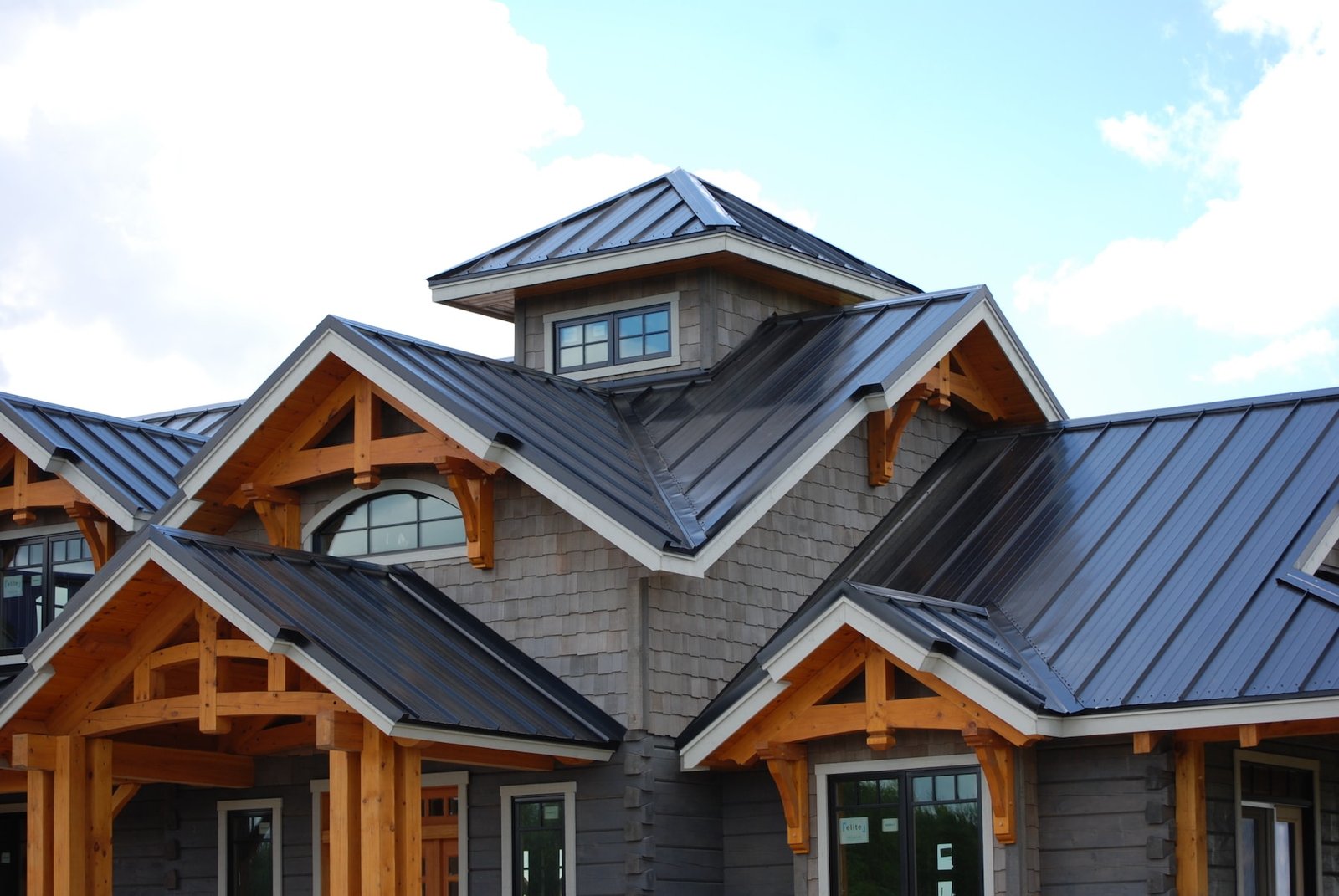
Metal roofing is a smart long-term choice for Princeton homeowners who want to move beyond the builder-grade cycle. A quality metal roof handles Collin County’s summer heat and hail with a lifespan of 40 or more years and minimal maintenance. Reflective panels reduce cooling costs – meaningful savings through a Texas summer. DJJ Roofing installs standing seam and exposed fastener metal systems for both residential and commercial properties, with profile and finish options that fit the look of your home or building.
With so many homes changing hands in Princeton, a professional roof inspection before buying or selling is one of the most important steps you can take. DJJ Roofing provides detailed inspections that cover shingles, flashing, gutters, fascia, and attic ventilation – not just a quick walk-around. After a hail or wind event, our documented inspection report can be critical for filing a successful insurance claim. We provide free inspections for Princeton and Collin County homeowners.
FAQs
DJJ Roofing has served Collin County since 2015 and carries full liability insurance alongside the Owens Corning Preferred Contractor designation. When severe weather hits, you need a roofing contractor in Princeton, TX who responds quickly, documents every detail for your insurer, and sees the job through from inspection to final cleanup. Our team handles emergency tarping, full replacements, supplement filing, and installation under one roof.
After a storm, look for a roofing contractor in Princeton, TX who is locally based, fully insured, and verifiably credentialed. Out-of-town crews often arrive in force after severe weather and disappear once jobs are done, leaving homeowners without recourse on warranty claims. DJJ Roofing is based in Sulphur Springs, holds BBB Accreditation (2026), and is Google Guaranteed. Ask for a certificate of insurance and check Google and BBB reviews before hiring anyone.
Yes. DJJ Roofing provides free roof estimates and free storm damage inspections with written photo documentation formatted to support your insurance claim. There is no obligation after a free estimate, and we never pressure homeowners into decisions. Call (903) 217-5431 or use our contact form to schedule your inspection — Collin County homeowners have relied on us since 2015.
Yes. DJJ Roofing carries full general liability insurance on every project. As your roofing contractor in Princeton, TX, we protect your property and our crew throughout every job. Always ask any contractor you consider to provide a current certificate of insurance before work begins. Uninsured work creates liability exposure for homeowners if a worker is injured on your property. Our certificate is available on request.
Before signing any contract, ask these questions: Are you fully insured? Are you locally based or traveling in for storm work? What manufacturer certifications do you hold? Can you provide local references from Princeton or Collin County? What does your warranty cover and for how long? A reputable contractor will answer all of these clearly and provide written documentation. That covers everything you need to know before work begins.
DJJ Roofing has been a trusted roofing contractor in Princeton, TX and throughout Collin County since 2015. Our home base on Como St in Sulphur Springs puts us just 76 miles from this community, and we bring the same commitment to quality on every job, whether it’s a post-storm repair on a family home or a full metal roofing installation on a working ranch. As an Owens Corning Preferred Contractor with full general liability insurance and Google Guaranteed certification, we’re ready to help. Call (903) 217-5431 or fill out the form below for a free estimate.
When you are ready to work with the most trusted roofing contractor in Princeton, TX, contact DJJ Roofing at (903) 217-5431, the local roofing contractor in Princeton, TX families have relied on since 2015.

Why Choose Us
We use high quality materials to ensure the strongest protection.
We are the most top rated 5 star roofers on Google in Northeast Texas.
Cost-effective and transparent pricing for all of your roofing service needs.

DJJ Roofing is a BBB Accredited Business, committed to ethical business practices and customer satisfaction.
Also, our clients take comfort in knowing that real solution options are provided as opposed to high pressure sales tactics.
We know your time is valuable, so we make it a priority to respond to every inquiry as fast as possible.
Also, our clients take comfort in knowing that real solution options are provided as opposed to high pressure sales tactics.
Family-owned and based in Sulphur Springs, we serve residential and commercial properties across Hopkins, Hunt, Wood, Delta & Franklin Counties, and many communities beyond.
Not sure if we cover your area? Call (903) 217-5431
Free Consultation
Contact Us